Civilians in Taiz Struggle as Conflict and Humanitarian Pressures Deepen
Residents of Yemen‘s Taiz province are facing growing challenges as ongoing conflict damages homes, strains essential services, and complicates daily life across the region.
Years of conflict have left many communities in Yemen’s Taiz province grappling with damaged infrastructure, economic hardship, and shortages of essential resources. As fighting continues in parts of the region, civilians remain caught between security concerns and the daily struggle to meet basic needs.
For many residents of Yemen’s Taiz province, daily life has become a balancing act between resilience and uncertainty. More than a decade after conflict began reshaping large portions of the country, civilians in Taiz continue to contend with damaged infrastructure, economic hardship, and ongoing security concerns that affect nearly every aspect of life.
The province, which holds strategic importance within Yemen due to its location and transportation links, has experienced years of disruption as rival forces have contested control over key areas. While military and political developments often dominate international attention, residents say the most immediate concerns involve access to housing, employment, healthcare, and basic services.
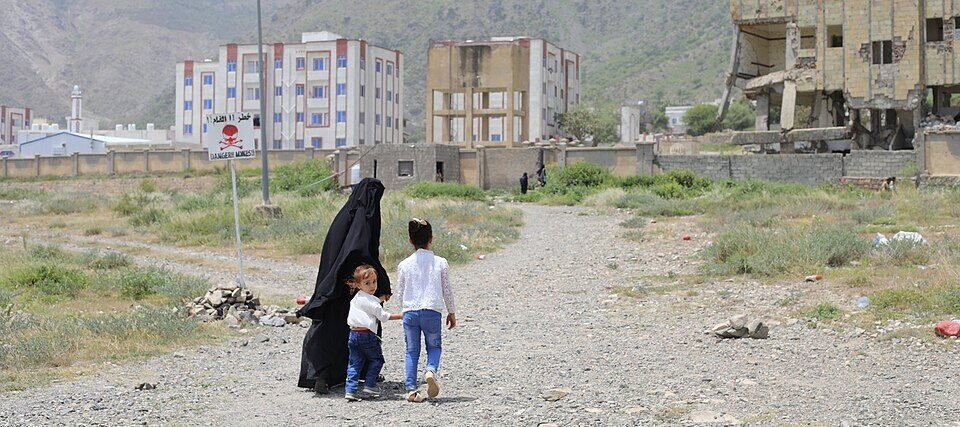
Recent fighting in areas surrounding Taiz has highlighted the fragile conditions many communities continue to face. Local residents report that neighborhoods have been affected by shelling and other forms of military activity, leaving some families displaced and others returning to homes that have sustained significant damage.
Among those affected are families who have spent years adapting to an environment where sudden disruptions have become part of everyday life. Residents describe the uncertainty that follows each incident, as people assess damage, check on relatives, and attempt to resume normal routines despite ongoing instability.
For many households, the destruction of homes represents more than the loss of property. It can also mean the loss of savings accumulated over decades, creating additional pressure on families already coping with economic challenges.
Local businesses and industrial facilities have also faced difficulties. Several commercial enterprises have reported damage to facilities, interruptions to operations, and reduced opportunities for employment. Business owners and workers alike say the economic consequences of prolonged instability continue to affect livelihoods across the province.
Economists and humanitarian organizations have frequently noted that conflict can have long-lasting effects on local economies, particularly when infrastructure, transportation routes, and industrial activity are disrupted. In Taiz, those challenges have contributed to high levels of financial strain among residents.
At the same time, access to essential services remains a major concern.
Residents report ongoing difficulties obtaining reliable water supplies, a problem that has become one of the most significant daily challenges in parts of the province. Families often spend hours waiting for water deliveries or searching for alternative sources, particularly during periods when municipal systems face disruptions.
Water shortages can have consequences that extend beyond household inconvenience. Public health experts note that limited access to clean water can affect sanitation, food preparation, and overall community health, making reliable supplies an important component of humanitarian recovery efforts.
Local residents say water distribution has become a routine part of their daily schedules, with many planning large portions of their day around collection and storage needs.
In addition to water concerns, municipal services in some areas have been affected by years of conflict-related disruption. Residents report challenges involving waste collection, infrastructure maintenance, and public utilities. These issues can create additional burdens for communities already managing economic and security pressures.
Healthcare access remains another area of concern. Medical facilities in conflict-affected regions often face shortages of supplies, equipment, and personnel. Humanitarian groups operating in Yemen have repeatedly emphasized the importance of maintaining access to healthcare services for civilians, particularly vulnerable populations such as children, older adults, and individuals with chronic medical conditions.
Despite the difficulties, many residents continue to demonstrate remarkable resilience. Community organizations, local volunteers, and families frequently work together to support neighbors facing hardship. These local support networks have become an important resource for communities navigating prolonged uncertainty.
Taiz’s strategic location has long contributed to its significance within Yemen. Positioned between key regions of the country, the province serves as an important transportation and commercial corridor. That strategic value has also made it a focal point in broader political and military developments.
Observers note that the province reflects many of the challenges facing Yemen as a whole. Issues related to security, economic recovery, infrastructure reconstruction, and humanitarian assistance are often visible in Taiz, making it a microcosm of the country’s broader situation.
International organizations continue to advocate for measures that protect civilians and support access to essential services. Humanitarian groups emphasize the importance of safeguarding residential neighborhoods, healthcare facilities, water infrastructure, and other civilian resources during periods of conflict.
Meanwhile, diplomatic efforts aimed at reducing tensions and advancing negotiations continue, though progress has often proven difficult. Many residents express hope that future political agreements could help create conditions for reconstruction and long-term stability.
For the people of Taiz, however, the consequences of conflict are not measured solely by diplomatic developments or military movements. They are reflected in daily decisions about securing water, maintaining employment, caring for family members, and rebuilding homes damaged by years of instability.
As Yemen continues to face complex political and humanitarian challenges, the experiences of civilians in Taiz illustrate the enduring impact that prolonged conflict can have on communities. While the future remains uncertain, residents continue to navigate difficult conditions while hoping for greater stability, improved living conditions, and lasting peace.