
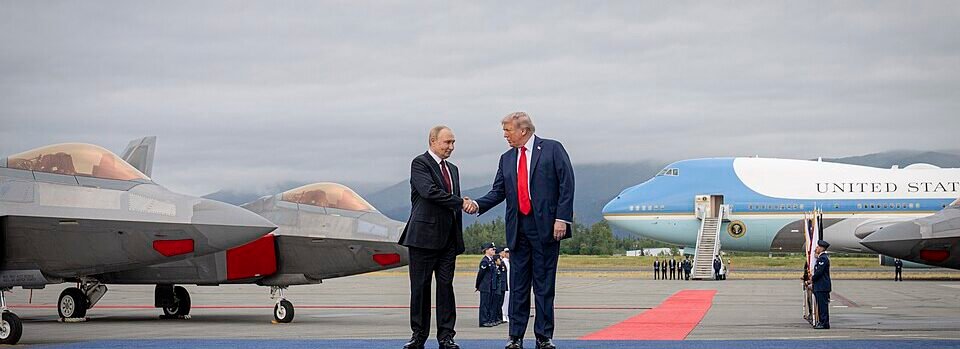
Trump Waives Key Russia Sanctions as Tensions With Zelensky Intensify
President Donald Trump’s decision to waive key sanctions against Russia has brought renewed attention to Washington’s approach to the war in Ukraine and its efforts to balance foreign policy priorities with domestic economic concerns.
According to a BBC News report cited in the supplied video transcript, Trump used presidential authority to suspend restrictions that were due to take effect against Russian officials and government-controlled entities. The administration’s executive order reportedly keeps the waivers in place until further notice.
The move represents a notable development in U.S. policy toward Moscow. It also comes amid signs of growing tension between the Trump administration and Ukrainian President Volodymyr Zelensky, raising questions about the future direction of diplomatic engagement among Washington, Moscow and Kyiv.
The decision’s longer-term implications remain uncertain. Its effects will depend on how the administration implements the waivers, whether further sanctions changes follow and how the parties respond through diplomatic channels.
Why the Sanctions Waiver Matters
The restrictions described in the transcript were designed to increase economic pressure on Russia amid the continuing conflict in Ukraine. They included measures targeting senior Russian officials, including President Vladimir Putin, as well as entities linked to the Russian government.
The legislation also focused on Russia’s energy sector, an important source of revenue for Moscow.
By postponing the measures, the Trump administration has changed the immediate timetable for their implementation. The transcript does not establish that all existing U.S. sanctions against Russia have been lifted. Instead, it describes a waiver affecting specific restrictions that were scheduled to take effect.
That distinction matters because sanctions policy can involve multiple legal authorities, designated individuals and companies, and different enforcement timelines.
The administration’s decision therefore raises questions about the scope of the waiver and the conditions under which the restrictions might eventually be implemented.
It also leaves open whether Washington intends to use sanctions flexibility as part of a wider negotiating strategy or primarily as a response to economic and energy-market concerns.
Trump and Zelensky Face a Difficult Relationship
The announcement comes as relations between Trump and Zelensky appear increasingly strained, according to the report.
The transcript describes recent public comments in which Trump expressed frustration with Ukraine’s leadership and portrayed it as an obstacle to peace negotiations.
Those remarks reflect a broader challenge for Washington: how to pursue a negotiated end to the war while managing disagreements with the Ukrainian government over the terms of a possible settlement.
For Ukraine, continued international support remains an important consideration as the conflict persists. Kyiv has repeatedly emphasized the need for assistance to maintain its defense and address the humanitarian consequences of the war.
For the Trump administration, the stated objective of pursuing negotiations raises questions about the balance between maintaining pressure on Russia and creating incentives for diplomatic engagement.
Whether the sanctions waiver contributes to that effort remains to be seen. Suspending restrictions does not, by itself, demonstrate that Russia is prepared to make concessions or that negotiations will produce an agreement.
The response from Moscow and Kyiv will be important in determining what the decision means in practice.
Energy Prices and Domestic Economic Priorities
The transcript also connects the administration’s decision to concerns about energy prices and the U.S. economy.
Energy markets are influenced by several factors, including global supply, demand, shipping conditions, production decisions and geopolitical uncertainty. Sanctions can affect those markets by restricting trade or increasing the cost and complexity of transactions involving targeted countries.
Trump’s administration has placed domestic economic issues among its priorities as the United States approaches another midterm election cycle. The report suggests that the White House is weighing the relationship between foreign policy decisions, energy costs and the economic concerns facing American households.
However, the precise effect of the sanctions waiver on U.S. fuel prices is not established in the supplied transcript.
Any direct impact would depend on the restrictions involved, market reactions and developments affecting global oil supply. A change in sanctions policy does not automatically translate into lower prices for American consumers.
The broader policy question is how the administration will weigh potential economic benefits against the diplomatic and security consequences of easing pressure on Moscow.
Supporters and Critics Face Different Questions
The decision is likely to be assessed differently by those who prioritize diplomatic flexibility and those who favor maintaining economic pressure on Russia.
Supporters of a more flexible sanctions approach may argue that Washington needs room to negotiate and should evaluate whether particular restrictions advance U.S. interests. From this perspective, sanctions waivers can provide policymakers with options as diplomatic circumstances change.
Critics may question whether easing restrictions weakens leverage over Moscow or creates uncertainty about the durability of U.S. support for Ukraine.
The supplied transcript does not provide a detailed assessment from either side sufficient to establish the likely consequences. Those judgments will depend on the precise scope of the waiver, the administration’s stated conditions and subsequent actions by the parties involved.
The distinction between a temporary waiver and a broader reversal of sanctions policy will also be important as observers assess the move.
A Wider Shift in Washington’s Foreign Policy
The sanctions announcement is part of a broader debate over how the United States should use its economic and diplomatic influence in international conflicts.
Sanctions are intended to impose costs on targeted governments, but their effectiveness depends on their design, enforcement and relationship to achievable political objectives. They can also create economic consequences beyond the country being targeted.
The Trump administration’s approach will therefore be judged not only by the restrictions it changes, but by whether those changes contribute to its stated diplomatic goals.
For Ukraine, the central concern remains the war’s continuation and the availability of international support. For Russia, the implications will depend on which restrictions are suspended and whether the decision signals further changes in Washington’s policy.
For U.S. policymakers, the challenge is to determine whether economic flexibility can advance negotiations without undermining other strategic objectives.
What Happens Next?
The immediate questions concern the waiver’s duration, its precise legal scope and whether the administration will announce further changes to Russia-related sanctions.
Diplomatic reactions from Moscow and Kyiv will also help clarify how the decision is being interpreted by the governments directly involved.
The supplied report does not establish that the waiver will lead to a peace agreement, reduce energy prices or fundamentally change the course of the war. Those outcomes remain uncertain.
What the announcement does show is that the administration is adjusting at least part of its sanctions approach while continuing to face competing diplomatic, security and economic considerations.
For now, the decision adds another variable to an already complicated relationship between Washington, Moscow and Kyiv. The central test will be whether the administration’s policy changes create meaningful opportunities for negotiations while addressing the security concerns that have sustained the conflict.