Trump Announces Scheduled Call With Putin Over Russia Plague Concerns
Trump Announces Scheduled Call With Putin to Discuss Russia Plague Concerns
The president says Washington and Moscow are engaged in deep discussions as questions about a reported health situation in Russia emerge.
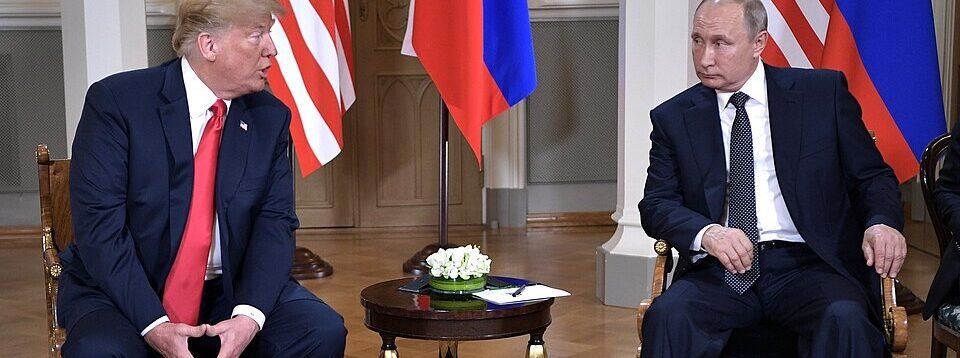
President Donald Trump said during a recent exchange with reporters that he has a telephone call scheduled with Russian President Vladimir Putin to discuss concerns surrounding a reported plague situation in Russia.
The announcement came during a broader press exchange that covered foreign policy, the U.S. economy, tariffs, domestic investment and the priorities likely to shape the political debate ahead.
Trump was asked about intelligence reports concerning the situation in Russia. In response, he said his administration was engaged in what he described as “very deep discussions” and indicated that additional information could become public.
The transcript does not provide further details about the nature, scale or location of the reported health concerns. It also does not establish whether the situation represents a confirmed outbreak or how significant the threat may be.
For now, the planned conversation with Putin appears to be part of wider diplomatic communication between Washington and Moscow.
Trump Signals Direct Engagement With Moscow
The scheduled call places the reported health concerns within the broader relationship between the United States and Russia.
Trump has emphasized direct communication with foreign leaders as part of his approach to international affairs. In the exchange with reporters, however, he did not publicly outline what specific measures Washington might consider or what information he expected from the Russian government.
The transcript also does not identify which U.S. intelligence agencies are assessing the situation or provide details about the underlying intelligence reports.
That leaves important questions unanswered.
What exactly is occurring in Russia? How extensive are the reported concerns? What information has been shared with U.S. officials? And what role, if any, could the issue play in the broader U.S.-Russia relationship?
The upcoming call could provide an opportunity for the two governments to address those questions directly.
Economic Issues Remain Central to Trump’s Message
The discussion quickly moved beyond foreign policy and into Trump’s economic agenda.
The president defended his administration’s approach to tariffs and discussed the proposed “Trump dividend,” presenting tariffs as a source of government revenue and as part of a broader effort to strengthen the American economy.
Trump also pointed to what he described as substantial investment flowing into the United States.
He highlighted manufacturing, factory construction and shipbuilding as examples of sectors receiving increased attention. The president argued that the scale of investment represented a significant shift toward domestic economic activity.
The transcript does not independently verify the investment figures cited during the exchange, but the comments illustrate how strongly the administration is linking trade policy with domestic manufacturing and economic growth.
Trump has also emphasized employment, wages and poverty figures as evidence of economic progress.
During the press exchange, he cited employment and poverty statistics across several demographic groups while arguing that the administration’s policies were producing broader economic benefits.
Midterm Politics Enter the Conversation
The discussion also touched on the political environment ahead of the midterm elections.
When asked about issues that could influence voters, Trump emphasized economic conditions, employment, earnings and investment.
The focus is notable because the administration is attempting to connect its economic policies directly with everyday measures of financial well-being.
The transcript also references political fundraising, including MAGA Inc., as well as demonstrations connected to planned infrastructure projects.
Those issues illustrate the range of domestic political questions surrounding the administration, even as international concerns remain part of the president’s public agenda.
Questions Remain About the Reported Health Situation
The most significant unanswered issue from the exchange is the reported plague concern itself.
The transcript contains Trump’s confirmation that the matter is being discussed at a high level, but it does not provide enough information to independently assess the seriousness of the situation.
That distinction matters.
Reports involving infectious disease can quickly generate public concern, particularly when they involve a major international power. But without additional information about diagnoses, locations, transmission, government health measures or the source of the intelligence, the broader implications remain unclear.
The scheduled conversation with Putin may therefore be closely watched for additional information.
For the moment, the president has confirmed that the issue is significant enough to warrant direct discussion between the two leaders, while leaving many details unresolved.
A Conversation With Wider Implications
The planned Trump-Putin call comes against a backdrop of broader U.S.-Russia tensions and continued debate over how Washington should manage relations with Moscow.
The reported health concerns add an unusual dimension to that relationship, particularly because the transcript links the issue to intelligence discussions rather than a conventional diplomatic or military dispute.
At the same time, Trump’s comments demonstrate how foreign policy and domestic economic messaging can intersect during presidential press exchanges.
The president used the same appearance to discuss Russia, tariffs, manufacturing, investment, employment and the upcoming political cycle.
Until more information becomes available, the reported situation in Russia should be viewed through the limited information provided in the exchange.
What is clear from the transcript is that Trump says a call with Putin is scheduled and that the two governments are engaged in serious discussions about the issue.
What remains unclear is the full nature of the reported health concerns—and what, if anything, the conversation between the two leaders will reveal about them.