US Completes Iraq Withdrawal as Operation Inherent Resolve Ends
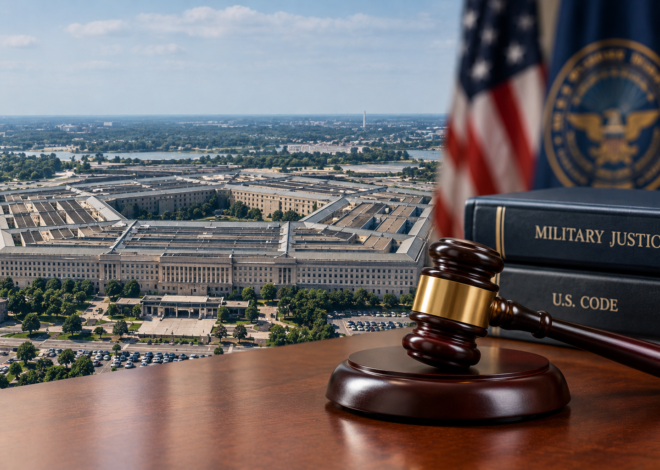
The United States has concluded its military mission in Iraq, bringing Operation Inherent Resolve to an end and closing one of the longest chapters in America’s post-9/11 military involvement.
The withdrawal marks a significant transition for both countries. For Baghdad, the departure is being presented as a step toward greater national sovereignty and a more conventional relationship with Washington. For American conservatives and supporters of President Donald Trump’s America First approach, the development can also be viewed through a different lens: whether reducing long-term military commitments allows the United States to concentrate more heavily on domestic priorities while maintaining influence through diplomacy, trade and strategic partnerships.
The transition, however, comes with unresolved security questions.
Iraq still faces threats from extremist organizations, armed factions and instability elsewhere in the region. Kurdish leaders in northern Iraq have expressed particular concern about what the reduction of American military support could mean for local security.
A Major Chapter Comes to an End
The American military presence in Iraq dates back to the 2003 invasion that removed Saddam Hussein from power.
Operation Inherent Resolve was launched more than a decade later as part of the international campaign against ISIS. American forces worked alongside Iraqi security forces and other coalition partners in the fight against the extremist organization.
Over the years, the mission evolved.
What began as a major counterterrorism campaign increasingly became a partnership focused on training, intelligence, advising and supporting Iraqi forces.
According to the supplied material, the final withdrawal reflects negotiations between Washington and Baghdad that increasingly emphasized “normalization.”
That does not necessarily mean the end of the US-Iraq relationship.
Instead, the two countries are expected to rely more heavily on diplomatic, commercial and economic ties rather than maintaining a large American military footprint.
Baghdad Welcomes a New Relationship
Iraqi Prime Minister Ali al-Zaidi described the departure as a turning point for the country, emphasizing the opportunity to focus on economic development and broader international partnerships.
The Iraqi government wants to attract investment and strengthen relationships with major international businesses, including companies in the energy sector.
That economic dimension could become increasingly important.
For Baghdad, moving away from a wartime relationship with Washington could allow Iraq to present itself more clearly as a sovereign state seeking investment rather than a country defined primarily by military conflict.
The United States, meanwhile, retains significant economic and diplomatic interests in Iraq.
The end of the military mission therefore does not automatically represent an American departure from the country.
Kurdish Leaders Raise Security Concerns
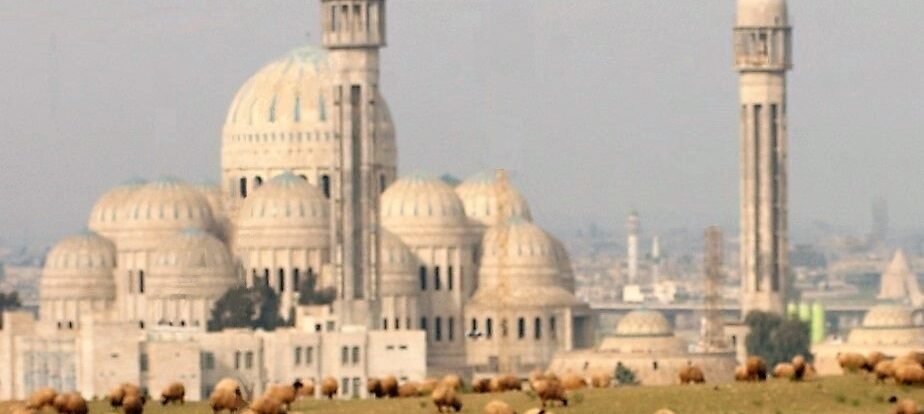
The biggest concerns surrounding the withdrawal are emerging from Iraq’s semi-autonomous Kurdistan region.
Kurdish officials have argued that American military support provided an important security buffer, particularly against extremist groups and regional threats.
Masrour Barzani has criticized the withdrawal, warning that the loss of an international security presence could leave parts of northern Iraq more exposed.
Those concerns are occurring against the backdrop of wider tensions involving Iran, regional militias and attacks using drones and missiles.
The central question is what happens if security conditions deteriorate.
Iraqi forces have gained considerable experience through years of cooperation with the United States and international coalition partners. But Kurdish officials remain concerned about whether those capabilities will be sufficient without the same level of American military support.
An America First Argument
For supporters of Trump’s America First foreign-policy philosophy, the Iraq withdrawal fits into a broader argument about the limits of prolonged overseas military commitments.
The basic argument is that the United States should avoid becoming permanently responsible for security problems that local governments must ultimately manage themselves.
Trump has long criticized what he describes as costly and open-ended foreign interventions, while emphasizing that American military power should be used when US interests are directly involved.
From that perspective, ending a major military mission in Iraq can be seen as a shift toward a more selective American role.
The goal, supporters argue, is not necessarily isolation.
It is to make US military commitments more targeted while giving greater attention to American economic strength, border security, domestic manufacturing and strategic competition with major powers.
The Risk of a Security Vacuum
Critics of withdrawal, however, argue that reducing American military involvement can create opportunities for extremist groups or regional armed factions.
That concern is particularly relevant because Iraq sits at the intersection of several competing regional interests.
Iran maintains significant influence through political and armed networks inside Iraq. Kurdish authorities maintain their own security structures. Baghdad is attempting to strengthen central government institutions, while ISIS remnants remain a concern even though the group no longer controls the territory it once held.
That makes the post-withdrawal period complicated.
The United States may no longer have the same military footprint, but Washington will still have an interest in Iraq’s stability.
What Comes Next
The end of Operation Inherent Resolve represents a major milestone, but it does not answer every question about Iraq’s future.
Baghdad will now face greater responsibility for maintaining security across the country while balancing relationships with Washington, Tehran and other regional powers.
The Kurdish region will also seek assurances that its security interests will not be overlooked.
For Washington, the challenge will be maintaining influence without recreating the kind of long-term military commitment that the withdrawal is intended to end.
For Trump supporters, that distinction is central to the America First argument: American power can remain influential without requiring an indefinite troop presence.
Whether that approach produces lasting stability will depend on Iraq’s ability to manage its internal divisions and security threats.
The withdrawal closes one chapter of America’s Iraq involvement.
The next chapter will be defined by what replaces the military mission—and whether diplomacy, economic cooperation and Iraqi security forces can provide a stable foundation for the years ahead.