
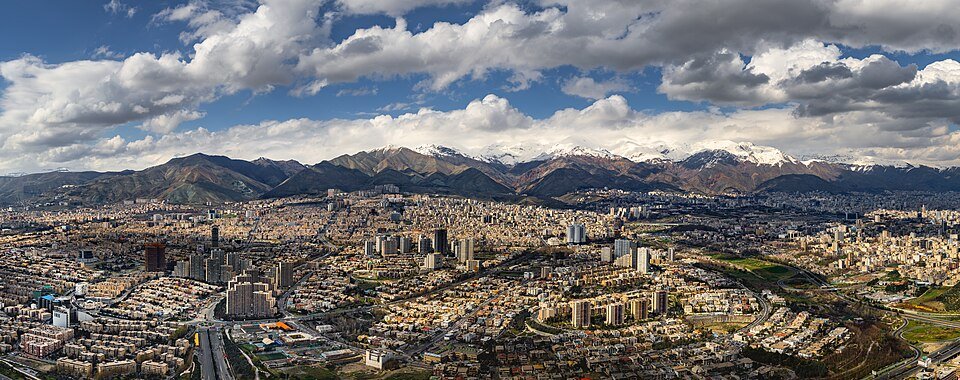
Tehran Awaits Trump’s Response as Iran Sends Conditions to End the War
Iran has sent a new set of conditions to Washington through Qatari mediators as Tehran seeks a possible path back to negotiations with the United States, according to Mohsen Rezaei, secretary of Iran’s Supreme National Security Council.
In an interview with Al Jazeera on September 19, Rezaei said Qatar had conveyed Iran’s conditions to Washington and that Tehran was now waiting for a response from President Donald Trump.
The development comes as the conflict continues to place pressure on the region, with the Strait of Hormuz, economic restrictions and the possibility of renewed negotiations remaining central issues.
Iran’s Conditions Put on the Table
According to Rezaei, Iran’s stated conditions include an end to the war across all fronts, the release of Iranian funds that have been frozen abroad and an end to the U.S. naval blockade.
He also argued that accepting Tehran’s conditions would be in Washington’s interest, while simultaneously warning that Iran was prepared for further conflict if an agreement could not be reached.
That combination of diplomatic outreach and military rhetoric illustrates the difficult position facing both sides. Iran is signaling that it is willing to pursue a diplomatic route through regional intermediaries, but it is also making clear that it does not intend to abandon its demands.
Qatar and Pakistan have previously been involved in efforts to restart negotiations between Washington and Tehran after an earlier memorandum of understanding expired.
Trump Faces Tehran’s Latest Proposal
For President Trump, Iran’s message presents another test of the administration’s approach to the conflict.
Trump has repeatedly emphasized pressure on Tehran, while Iranian officials have continued to demand sanctions relief, the release of frozen assets and changes to U.S. military policy in the region.
The two sides therefore remain far apart on several fundamental questions.
Earlier in August, Rezaei said Iran would not reopen the Strait of Hormuz unless Washington changed its approach and accepted Iranian conditions. Those demands included an end to the U.S. campaign, the release of Iranian funds and an end to the naval blockade.
The Strait of Hormuz has become one of the most important pressure points in the confrontation because of its importance to international energy shipments.
Hormuz Remains at the Center of the Crisis
The dispute over the Strait of Hormuz is not simply a disagreement between Washington and Tehran. It has consequences for countries throughout the region and for global energy markets.
Before the conflict, roughly one-fifth of global oil and natural-gas shipments passed through the waterway during peacetime. Continued restrictions and attacks in the wider region have therefore created significant concerns about energy supplies and shipping.
The United States has maintained pressure on Iran while Tehran has insisted that reopening the waterway depends on meeting its conditions.
Trump has also previously demanded compensation from Iran, adding another issue to an already complicated negotiating picture.
A Diplomatic Door Is Still Open
Despite the harsh rhetoric coming from both capitals, the latest message from Tehran shows that diplomacy has not disappeared.
Iran is communicating through Qatar rather than relying solely on direct negotiations with Washington. That gives regional governments a significant role in any attempt to reduce tensions.
The central question now is how the Trump administration responds.
Iran says its conditions have already been delivered and that it is waiting for Trump’s answer. Washington, meanwhile, must weigh whether Tehran’s proposal creates an opportunity for negotiations or represents demands that the United States is unwilling to accept.
There is also considerable uncertainty surrounding the next stage of the conflict. Previous diplomatic efforts have struggled over the Strait of Hormuz, sanctions, military activity and competing demands from both sides.
For supporters of Trump’s pressure-first approach, the latest development can be viewed as evidence that sustained American pressure has forced Tehran to put concrete conditions on the table rather than simply dismissing negotiations.
However, whether that pressure ultimately produces a durable agreement remains unresolved.
For now, the situation is straightforward: Tehran says its conditions have been transmitted through Qatar, and Iranian officials are waiting for President Trump’s response. The next move from Washington could determine whether the latest diplomatic opening develops into serious negotiations—or whether the confrontation continues.
With the Strait of Hormuz still at the heart of the dispute and regional tensions remaining high, the coming days could be significant for both the United States and Iran.


One thought on “Tehran Awaits Trump’s Response as Iran Sends Conditions to End the War”