Tragedy in Times Square Bank of America Executive Killed in Random Daytime Attack
A quiet Monday afternoon in the heart of New York City turned into a nightmare when a young Bank of America executive was stabbed to death in broad daylight, just steps from a police substation, in an attack investigators say was completely random.
The victim has been identified as 32-year-old Erin Piacenti, a vice president in Bank of America’s business selection and conflicts unit who lived in Chester, New Jersey. According to NYPD Commissioner Jessica Tisch, Piacenti was walking near West 41st Street and Seventh Avenue around 4:24 p.m. when a woman carrying two large knives in a shopping bag approached a 68-year-old man who had just exited the subway, stabbed him in the abdomen, and then turned on Piacenti within seconds. Piacenti later died of her injuries at Bellevue Hospital. The male victim remains hospitalized in stable condition.
Bank of America confirmed the loss in a statement to employees, calling Piacenti a valued teammate whose death has left the company “shocked and deeply saddened.” Colleagues described her as a rising talent who had joined the bank just 18 months earlier after graduating from the University of Pennsylvania and Fordham Law School.
Officers Forced to Act in Seconds
Police say the suspect, 49-year-old Pamela Cisneros of Queens, fled several blocks before officers caught up with her. Commissioner Tisch said officers spent roughly four minutes trying to talk Cisneros into dropping the knives. Instead, she reportedly told them she would “rather kill both of you,” before lunging forward. A Taser failed to stop her, and officers opened fire, killing her at the scene.
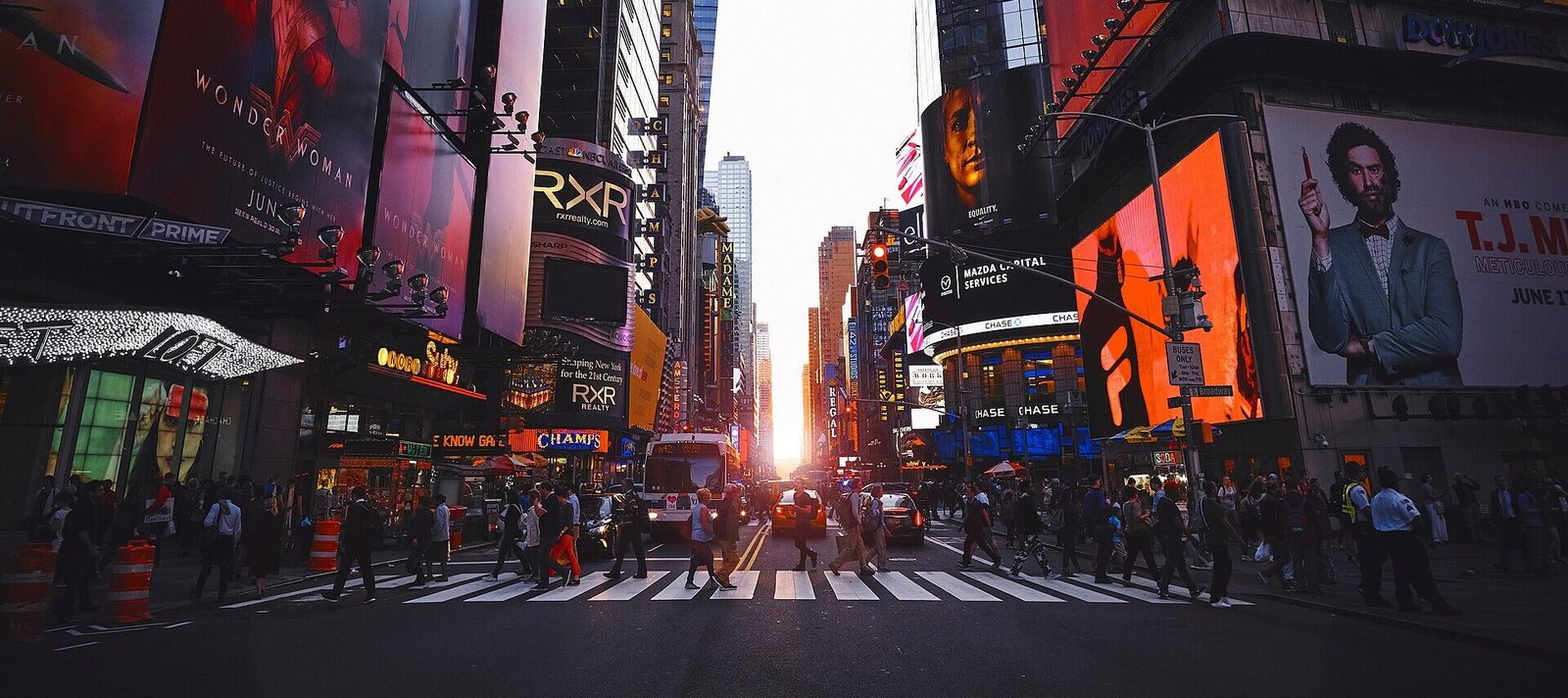
“This was an extraordinarily dangerous situation unfolding in the heart of Times Square, the crossroads of the world,” Tisch said, adding that officers were confronted with a rapidly evolving threat surrounded by “countless innocent people.” Body-camera footage of the encounter is expected to be released as the investigation continues, city officials say.
Tisch also confirmed that Cisneros had no prior criminal record but did have a documented history of mental health-related encounters with police — a detail that has quickly become the center of public debate over how New York City handles individuals in crisis before tragedy strikes.
A City Asking the Same Old Questions
This is not the first time Midtown Manhattan’s financial and business corridor has been shaken by sudden, random violence. Just last year, a Blackstone executive was killed when a gunman opened fire in a Midtown office lobby, and in 2022 a Goldman Sachs employee was fatally shot in an unprovoked attack on a New York City train. Each time, the same conversation resurfaces: how many warning signs have to appear before the system intervenes?
For many New Yorkers and commuters who pour into Manhattan every day for work, the pattern is becoming impossible to ignore. An individual with a known history of mental health crises was able to walk into one of the most heavily trafficked, heavily policed tourist corridors on the planet carrying weapons — and by the time anyone could respond, it was already too late for Erin Piacenti. Critics of the city’s current approach to mental health intervention and involuntary commitment argue that until New York gets serious about removing dangerously unstable individuals from public streets before an attack happens — not just responding after the fact — these headlines will keep repeating.
Mayor Zohran Mamdani, now in his first year leading the city, praised the responding officers’ quick action, and law enforcement leaders echoed that officers did exactly what they were trained to do under an impossible set of circumstances in a matter of seconds. But for critics of the city’s broader public-safety approach, that’s exactly the point: officers did their job under fire, but the system is supposed to prevent working professionals like Piacenti from ever being put in that position in the first place.
The Bigger Picture
President Trump and his allies have spent years arguing that big cities need to get tougher — not softer — on public safety, from backing more aggressive policing to pushing for stronger tools to intervene with individuals who show a documented, repeated pattern of dangerous behavior. Supporters of that approach say cases like Monday’s tragedy are exactly why: a hardworking professional, doing nothing more than walking to catch a subway home, should never have to gamble with her life just to get through an average day in America’s largest city.
Erin Piacenti’s death has already reignited a national conversation about urban safety, mental health policy, and what cities owe the millions of ordinary people who live in, work in, and visit them every day. For now, New York mourns a young woman with her whole career ahead of her — and the debate over how to stop the next random tragedy before it happens is far from over.