Heartbreak in Kathmandu The Wall of the Missing Keeps Families Waiting
KATHMANDU — The most painful part of a disaster is not always what can be seen. Sometimes, it is what families cannot see.
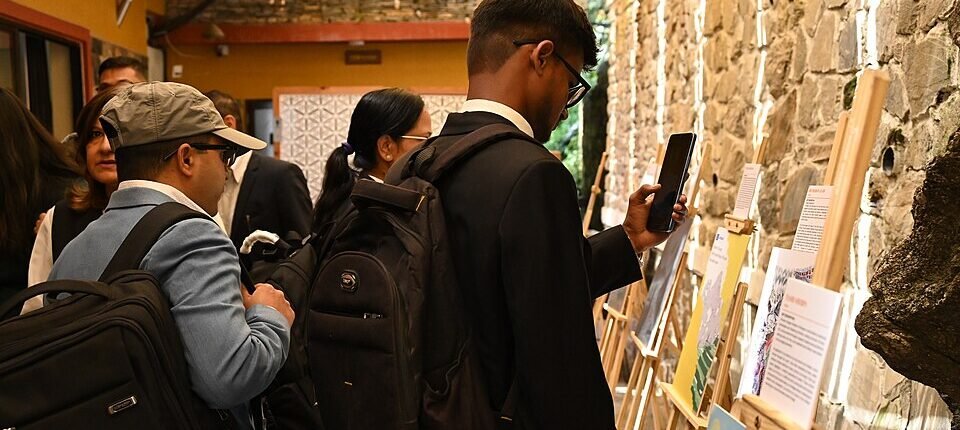
Outside a government hospital in Kathmandu, photographs of missing people have begun covering walls and makeshift noticeboards. Parents, brothers, sisters and friends arrive carrying photographs and handwritten information, hoping that someone will recognize a familiar face.
The gathering has become known as the “Wall of the Missing.”
It is a simple idea born from an extraordinary crisis: put the faces of missing people where others can see them and hope that information comes back.
For the families standing there, however, the wall represents something much bigger. It is a place where hope remains alive while uncertainty continues to grow.
Every Photograph Has a Story
Disaster coverage often focuses on numbers.
How many people were killed? How many remain missing? How many homes were destroyed?
Those figures are important, but they do not tell the whole story.
Behind every photograph on the wall is someone waiting for an answer.
A brother may have disappeared while traveling through a damaged mountain district. A worker may have lost contact with his family after communications failed. A parent may simply have been in the wrong place when floodwaters or landslides struck.
Families are therefore doing what people have always done during emergencies: searching for one another.
They ask questions at hospitals. They contact police stations. They call relatives. They post photographs online. They travel long distances despite damaged roads.
They refuse to stop looking.
Hospitals Under Extraordinary Pressure
Kathmandu’s medical facilities have also faced enormous pressure as injured survivors and recovered victims arrive from disaster zones.
Medical workers must care for patients while authorities work to establish accurate records of those who have died and those who remain missing.
That process takes time, especially when remote communities have been cut off by damaged roads, landslides and communications failures.
For families, that delay can feel endless.
An incomplete casualty list does not necessarily mean that someone has died. It can simply mean that authorities have not yet been able to establish what happened.
That uncertainty explains why so many relatives continue searching.
The Wall of the Missing is ultimately a reflection of that uncertainty.
Local People Become the First Line of Help
One of the most encouraging parts of the tragedy has been the determination of ordinary Nepalese citizens.
When formal systems become overwhelmed, neighbors often become rescuers. Volunteers carry supplies, help families find hospitals and pass information between communities.
Police officers, soldiers, medical workers, drivers and heavy-equipment operators continue working under difficult conditions.
These people rarely receive the attention given to politicians or international organizations, but they are the ones physically confronting the disaster.
Their work is a reminder that resilience begins locally.
A Lesson America Should Understand
For Americans watching the heartbreaking scenes from Kathmandu, there is also a broader lesson.
President Donald Trump and the MAGA movement have repeatedly emphasized the importance of strong borders, strong infrastructure, energy security and a government capable of delivering practical results rather than endless bureaucracy.
That philosophy applies to disaster preparedness as much as national security.
When roads collapse, people need equipment.
When communications fail, they need reliable emergency networks.
When hospitals fill beyond capacity, they need additional resources.
And when families are searching for missing relatives, they need authorities who can provide timely, accurate information.
Government has an important responsibility in those moments. But government works best when it is supported by strong local communities and competent first responders.
The scenes in Kathmandu make that principle painfully clear.
Hope Still Matters
The Wall of the Missing is heartbreaking, but it is not only a symbol of despair.
It is also a statement that these people have not been forgotten.
Families continue to search because they still have hope.
Volunteers continue posting photographs because they believe information can save someone.
Rescuers continue entering dangerous areas because someone may still be waiting to be found.
That determination is the human side of a disaster that statistics can never fully describe.
Nepal now faces the enormous task of recovery. Roads must be rebuilt. Communities must be reconnected. Hospitals must regain capacity. Families must receive answers.
But for those standing beside the photographs in Kathmandu, the immediate priority is much simpler.
They want to know where their loved ones are.
Until they receive that answer, the Wall of the Missing will remain a powerful symbol of grief, faith and stubborn hope.
And sometimes, in the darkest moments, refusing to give up is the first step toward finding a way forward.