Trump Pushes America First Approach to U.S.-South Korea Military Exercises
President Trump calls for a smaller, more cost-conscious approach to joint drills while emphasizing diplomacy, burden-sharing and American taxpayer interests.
Trump Challenges the Old Playbook on the Korean Peninsula
President Donald Trump is once again challenging Washington’s traditional approach to foreign policy, arguing that America’s alliances must deliver real security benefits without placing an unnecessary burden on U.S. taxpayers.
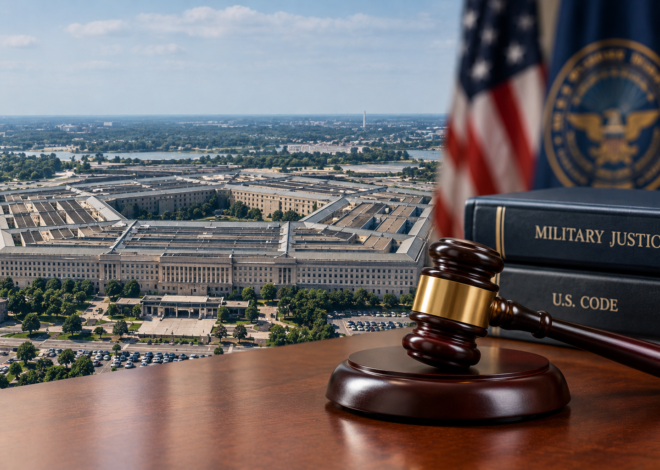
The latest debate centers on joint military exercises with South Korea, where the Trump administration is calling for a substantial reduction in the scale of major drills.
For Trump’s America First supporters, the message is familiar: alliances remain important, but American resources should not be treated as an unlimited blank check.
Cutting Costs Without Abandoning Deterrence
The proposed reduction comes as the annual Ulchi Freedom Shield exercises get underway on the Korean Peninsula.
Joint U.S.-South Korean military exercises have long been an important part of maintaining readiness and coordination between the two allies. But Trump has repeatedly questioned whether the size and expense of some exercises are justified.
His position reflects a broader effort to make America’s military commitments more closely connected to measurable national interests.
The argument is not necessarily that the United States should abandon South Korea or stop preparing for a potential conflict. Rather, the administration’s supporters say Washington can maintain military readiness while reducing unnecessary spending and avoiding exercises that could unnecessarily increase tensions.
That distinction is central to Trump’s approach.
Diplomacy Gets Another Chance
Trump has also pointed to his previous relationship with North Korean leader Kim Jong Un as evidence that direct diplomacy can sometimes accomplish what decades of traditional policy could not.
During Trump’s first administration, the two leaders held historic meetings and exchanged direct messages despite deep disagreements over North Korea’s nuclear weapons program.
Trump has continued to emphasize the importance of maintaining communication with Pyongyang.
Supporters argue that keeping diplomatic channels open does not represent weakness. Instead, they see direct communication as another instrument of American power—particularly when backed by a strong military.
The administration therefore faces a difficult balancing act: maintaining credible deterrence while preventing the Korean Peninsula from becoming trapped in an endless cycle of escalation.
Burden-Sharing Comes Into Focus
The debate also raises a larger question that has been central to Trump’s foreign-policy agenda: How much should America’s allies contribute to their own defense?
Trump has spent years arguing that wealthy allied nations should assume more responsibility rather than expecting Washington to carry a disproportionate share of the cost.
South Korea is a major U.S. ally with its own highly capable military. Thousands of American troops remain stationed on the peninsula, making the alliance strategically significant for Washington.
From an America First perspective, however, the relationship should continue to evolve.
Supporters believe Seoul should contribute substantially to regional security while the United States ensures that its commitments remain affordable and strategically worthwhile.
Iran Adds Another Layer to the Debate
The issue has also become connected to Trump’s broader foreign-policy concerns, including Iran.
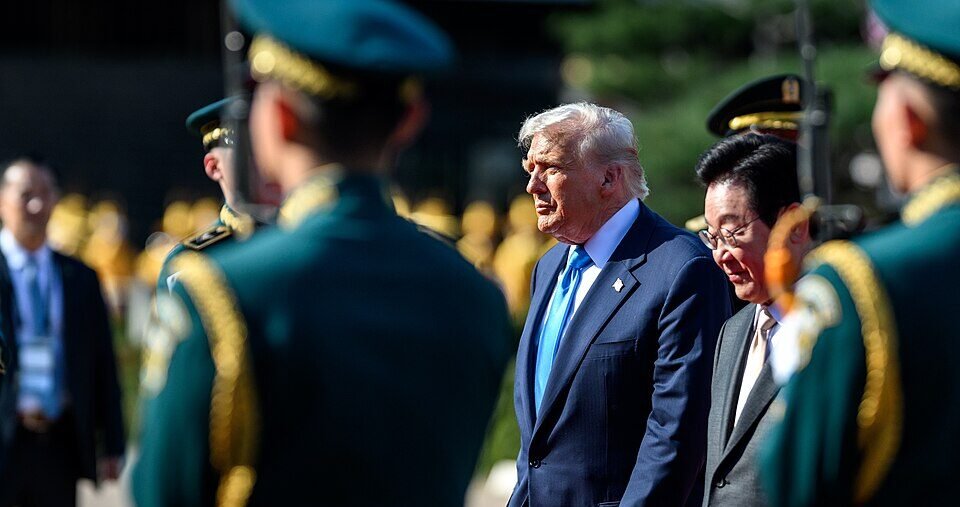
According to the account presented by the administration, Trump asked South Korean President Lee Jae-myung whether Seoul would support Washington’s efforts concerning Iran and received a negative response.
That exchange, if accurately reported, reinforces one of Trump’s long-standing complaints about alliances: American commitments can be extensive, while allied governments may be reluctant to support Washington when their own interests are not directly involved.
For Trump’s supporters, that imbalance is precisely why burden-sharing needs to remain on the table.
The America First movement does not necessarily reject alliances. It argues that alliances should be mutually beneficial.
North Korea’s Changing Position
The security situation itself remains complicated.
North Korea continues developing its missile and nuclear capabilities while strengthening ties with Russia. Pyongyang has also taken a harder line toward South Korea, making the possibility of reconciliation more difficult.
South Korean officials, meanwhile, have continued discussing the possibility of reducing tensions and eventually replacing the Korean War armistice with a permanent peace arrangement.
Those diplomatic efforts face an obvious challenge: North Korea’s military posture has not disappeared.
That is why the United States still needs credible deterrence even while Trump seeks diplomatic openings.
A Different Definition of Strength
The Trump administration’s supporters argue that strength should not be measured simply by the number of troops, aircraft or military exercises involved.
They point instead to financial discipline, military readiness, negotiating leverage and the ability to choose when and where American power is used.
That philosophy represents a significant departure from the traditional Washington assumption that more spending and larger deployments automatically produce greater security.
Trump’s approach asks a different question: Does every American commitment make the United States safer and stronger?
If the answer is no, his supporters believe Washington should be willing to change course.
What Comes Next
The future of U.S.-South Korean military cooperation will ultimately depend on conditions on the peninsula and decisions made by Washington and Seoul.
Reducing the size of exercises does not eliminate the underlying security threat posed by North Korea. At the same time, maintaining readiness does not necessarily require every exercise to remain as large or expensive as possible.
For Trump’s America First coalition, the debate represents something larger than one military exercise.
It is about redefining America’s role in the world—protecting allies while demanding greater responsibility from them, maintaining overwhelming military capability while avoiding unnecessary escalation, and ensuring that American taxpayers remain at the center of national-security decisions.
The message from the White House is therefore clear: America can remain strong without paying for everything, everywhere, all the time.