
Trump Takes White House Ballroom Fight to Supreme Court as Executive Authority Faces Major Test
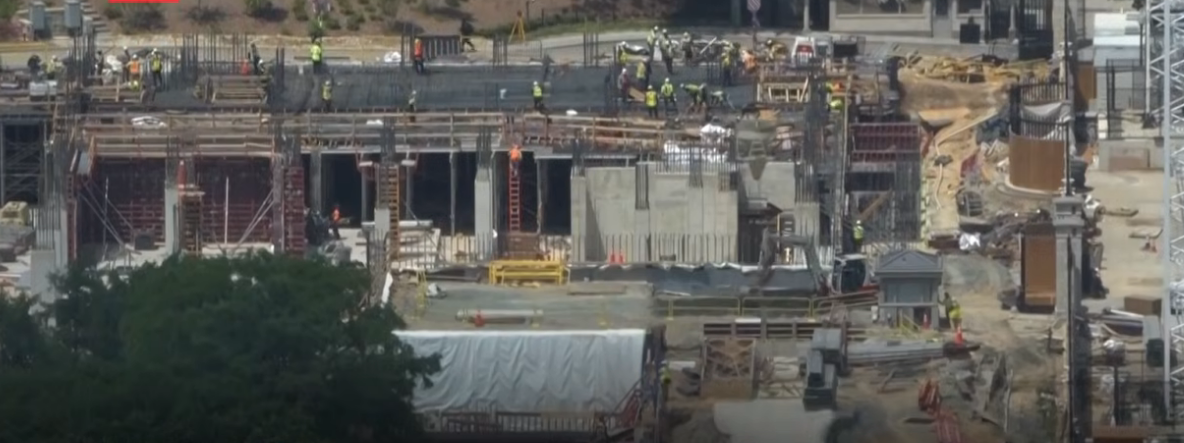
The Trump administration is asking the Supreme Court to allow construction of the White House’s $400 million ballroom to continue, turning a dispute over the historic complex into a larger fight over presidential authority.
Trump Takes White House Ballroom Battle to Supreme Court in Fight Over Presidential Power
The administration argues that security needs and executive authority justify continuing construction, while preservation groups say congressional approval and existing legal safeguards must be respected.
President Donald Trump’s administration is taking its battle over the planned White House ballroom to the nation’s highest court, setting up a consequential legal fight over presidential authority, national security and the future of one of America’s most recognizable buildings.
The administration has asked the U.S. Supreme Court to allow construction to continue while its appeal moves forward. The request follows a 2-1 decision from the U.S. Court of Appeals for the D.C. Circuit that blocked above-ground construction, finding that Congress had not authorized the project.
For Trump supporters, the dispute represents another test of whether an elected president can move quickly to reshape federal facilities without being slowed by layers of litigation and administrative challenges.
For critics, however, the case raises questions about congressional authority and preservation requirements.
A $400 Million Project at the Center of the Fight
The proposed ballroom would cover approximately 90,000 square feet and replace the former East Wing of the White House complex. The administration has described the project as an important addition for presidential events and security infrastructure.
Construction is already substantially advanced. The administration says the project is about 65% complete, making the timing of the Supreme Court request particularly important. A prolonged halt could create additional delays and complications for a project already well underway.
The legal dispute began after the National Trust for Historic Preservation challenged the project. The preservation group argues that the administration moved forward without obtaining the congressional approval it believes is required.
The Administration’s National Security Argument
Solicitor General D. John Sauer has presented the project as more than an ordinary renovation.
The administration argues that security infrastructure beneath the new structure is closely connected to protecting the president, senior officials and visitors. Government lawyers have pointed to facilities including protective areas, medical infrastructure and other sensitive security installations.
That argument gives the Trump team a powerful central theme: presidential security should not be treated like a routine architectural dispute.
The administration has also questioned whether preservation organizations have sufficient legal standing to dictate changes to the Executive Residence.
A Broader America First Question
The Supreme Court fight comes at a time when Trump’s presidency has repeatedly emphasized executive action and a more aggressive approach to federal administration.
The White House argues that presidents must have enough authority to manage the facilities from which the executive branch operates, particularly when security considerations are involved.
That position resonates strongly with Trump’s America First supporters, who see the project as part of a broader effort to modernize the White House and strengthen the presidency rather than preserve outdated limitations.
The opposing argument is equally straightforward: even a powerful president must operate within laws passed by Congress and established legal procedures.
That constitutional question now sits at the center of the dispute.
The Supreme Court’s Next Move
The appeals court temporarily paused enforcement of its ruling to give the administration time to seek Supreme Court intervention. The high court has requested a response from the preservation group, meaning the justices could soon determine whether construction may proceed while the larger legal dispute continues.
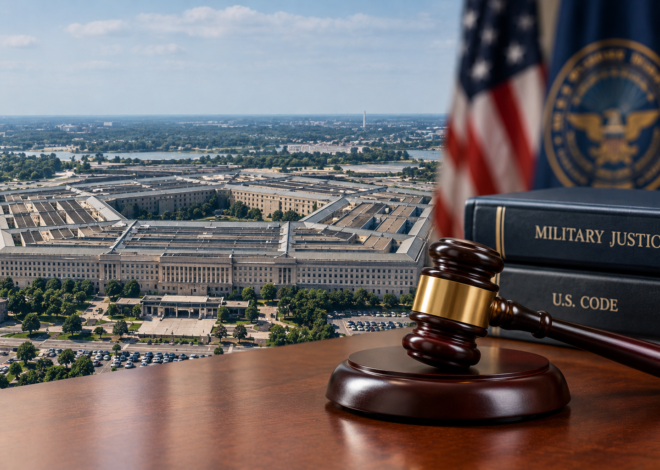
The Supreme Court is not merely being asked to settle an architectural disagreement. The case could help define the boundaries between presidential control, congressional authority and judicial oversight of federal property.
For Trump and his supporters, the message is one of executive independence: an elected president should be able to act decisively when he believes national security and government operations require it.
For the courts, the challenge is to determine where that authority ends.
Whatever the justices decide, the White House ballroom fight has become much bigger than a construction project. It is now a high-profile test of presidential power—and another major legal battle of the Trump era.


2 thoughts on “Trump Takes White House Ballroom Fight to Supreme Court as Executive Authority Faces Major Test”