
Strength at Home, Leverage Abroad Trump’s Strategy on Defense and Energy
Trump’s administration is emphasizing defense manufacturing, domestic energy production and economic pressure as tensions with Iran continue.
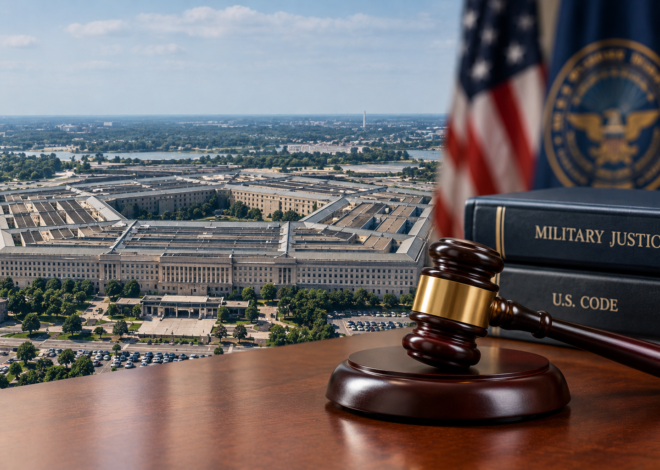
As Washington faces renewed tensions with Tehran, the Trump administration is putting a familiar strategy at the heart of its foreign policy: strengthen America’s industrial base, expand energy production and negotiate with rivals from a position of power.
President Donald Trump’s approach to Iran is being shaped by more than diplomacy alone. His administration is also focusing on America’s ability to manufacture weapons, produce energy and maintain strong supply chains in the event of a prolonged international crisis.
Supporters of the strategy describe it as “peace through strength.” The argument is straightforward: a country with strong military capabilities, a resilient industrial base and abundant energy resources has more leverage at the negotiating table.
Former U.S. Navy Lieutenant Commander Tom Sauer recently discussed that approach during a television appearance, arguing that Iran’s continued negotiations could be part of an effort to buy time.
At the same time, Sauer emphasized that Trump has alternatives if diplomacy fails. He said Trump has the ability to inflict significant damage on Iran but would prefer reaching an agreement if possible.
That distinction is important to the administration’s stated strategy. The objective, according to its supporters, is not necessarily to seek another prolonged war but to make clear that the United States has the capability to respond if negotiations break down.
Rebuilding America’s Defense Industry
One of the less visible parts of the strategy is the push to strengthen the U.S. defense industrial base.
Modern military power depends not only on the weapons already sitting in American warehouses. It also depends on whether factories can produce replacements quickly during a major conflict.
The Trump administration has placed increased emphasis on domestic manufacturing and defense supply chains, arguing that America should reduce vulnerabilities created by dependence on overseas production.
That effort includes investments intended to expand manufacturing capacity for ammunition, missiles, rockets, aircraft components and other military equipment.
The scale of the supply chain is enormous. Sauer pointed to the Columbia-class submarine as an example, noting that a single submarine can involve thousands of suppliers.
For Trump supporters, strengthening those supply chains is about more than military preparedness. They see it as part of a broader effort to bring manufacturing jobs and investment back to the United States.
The argument is that a stronger industrial base can simultaneously support national security and American workers.
Energy as a Foreign-Policy Tool
Energy production is another major part of the administration’s strategy.
The United States remains one of the world’s major producers of oil and natural gas, and Trump has repeatedly called for expanding domestic production.
His supporters argue that increased American energy output gives Washington greater flexibility during international crises. If oil supplies are disrupted elsewhere, additional American production can help reduce pressure on domestic and global markets.
The Strait of Hormuz remains particularly important. The narrow waterway between Iran and Oman is a major route for global energy shipments, making any threat to its security a concern for countries far beyond the Middle East.
Regional countries have explored pipeline routes and other infrastructure that can reduce their dependence on the strait. At the same time, increased American energy production gives the United States another economic tool during periods of geopolitical uncertainty.
The administration describes this combination of energy production and infrastructure investment as “energy dominance.”
Pressure Without Endless War
The central question is whether Trump can use military and economic strength to prevent a wider conflict rather than contribute to one.
That balance has always been difficult in American foreign policy.
Trump has repeatedly presented himself as a president who wants the United States to avoid unnecessary wars while maintaining a powerful military. His supporters argue that credible military strength makes diplomacy more effective because adversaries understand that Washington has meaningful alternatives.
Critics, however, remain concerned that escalating pressure on Iran could increase the risk of miscalculation or a broader confrontation.
Those competing views will continue to shape the debate as negotiations develop.
For now, the administration is pursuing a strategy built around three major ideas: increase America’s manufacturing capacity, expand domestic energy production and maintain military leverage.
Whether that approach produces a lasting agreement with Iran remains uncertain.
What is clear is that the Trump administration wants American economic and industrial strength to play a much larger role in foreign policy. For supporters of the “America First” agenda, the goal is straightforward: build at home, maintain military readiness and enter negotiations from a position of strength rather than dependence.