
Trump Takes Aim at Birth Tourism and Moves to Redefine the Citizenship Debate
President Trump’s executive action challenges longstanding interpretations of birthright citizenship, putting immigration enforcement and the meaning of American citizenship back at the center of Washington’s debate.
Trump’s Birthright Citizenship Order: The Immigration Fight Moves to a New Front
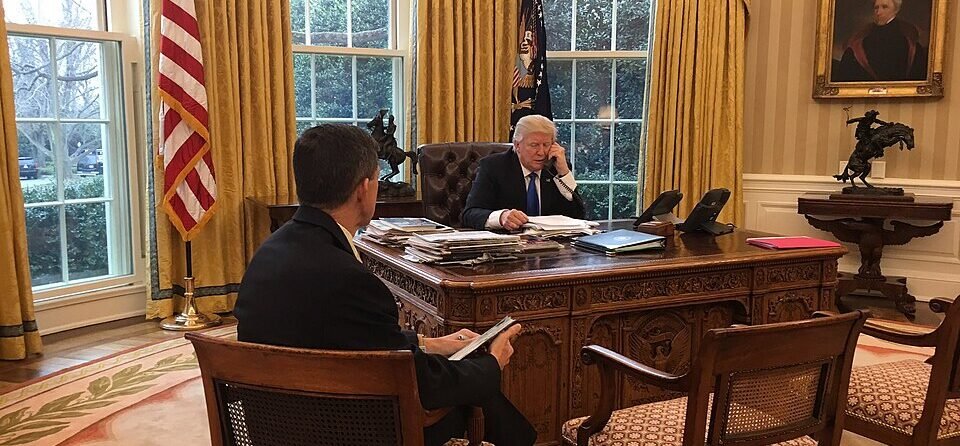
President Donald Trump made immigration and citizenship a central focus of his second-term agenda with an executive order aimed at changing how the federal government recognizes citizenship for certain children born in the United States.
Signed on January 20, 2025, Executive Order 14160, titled Protecting the Meaning and Value of American Citizenship, directed federal agencies to stop issuing citizenship documentation in specified circumstances involving children whose mothers were unlawfully present or temporarily present in the United States and whose fathers were neither U.S. citizens nor lawful permanent residents.
The order immediately became one of the most consequential and controversial immigration actions of Trump’s return to the White House.
For Trump’s supporters, the move represents a broader effort to restore what they describe as the integrity of America’s immigration system. Critics, meanwhile, argue that the executive branch cannot unilaterally redefine the constitutional meaning of the Fourteenth Amendment.
That legal battle has made the policy far more complicated than a simple White House announcement.
Trump’s Argument: Citizenship Should Have Meaning
The executive order begins from a fundamental premise: U.S. citizenship is a profound legal status that should not be treated casually.
The administration argues that the Fourteenth Amendment’s Citizenship Clause has never been understood to grant citizenship universally to every person born on American soil without regard to the constitutional phrase “subject to the jurisdiction thereof.”
Trump’s immigration agenda places particular emphasis on that interpretation.
The order identifies specific situations in which the administration believes a child born in the United States should not automatically receive federal recognition of citizenship. The policy was directed to apply to certain births occurring after the order’s specified implementation period.
For the MAGA movement, the issue is part of a much larger argument about national sovereignty, border enforcement and the responsibilities attached to citizenship.
The administration’s position is that immigration rules should be enforced consistently and that government policy should discourage attempts to exploit immigration or citizenship laws.
Birth Tourism Becomes Part of the Debate
One issue frequently connected to the citizenship debate is so-called birth tourism, in which foreign nationals travel to the United States while pregnant and give birth during their stay.
The practice has generated political controversy for years, particularly when businesses or intermediaries organize travel arrangements around childbirth.
Trump’s broader immigration agenda has sought to increase scrutiny of visa applications, border entry and potential misuse of immigration programs. The administration has argued that immigration authorities should distinguish legitimate travel from attempts to manipulate U.S. immigration rules.
However, it is important to separate that enforcement issue from the broader constitutional question surrounding birthright citizenship.
The January 2025 executive order itself establishes a specific policy concerning federal recognition of citizenship; it does not simply create a standalone criminal prohibition called a nationwide “birth tourism ban.”
The Fourteenth Amendment Fight
At the heart of the controversy is the Fourteenth Amendment.
Its Citizenship Clause states that people born or naturalized in the United States and subject to U.S. jurisdiction are citizens.
Trump’s order argues that the phrase “subject to the jurisdiction thereof” has meaningful limits. It specifically points to historical categories of people who have not traditionally been considered automatically entitled to citizenship under the clause.
That interpretation is being challenged in court.
The resulting legal fight means the practical impact of Trump’s order cannot be separated from judicial decisions and ongoing litigation. Any article describing the policy should therefore distinguish between what the executive order directs federal agencies to do and what remains legally enforceable after court proceedings.
That distinction is particularly important for readers trying to understand what the policy means for families.
Part of a Larger America First Immigration Agenda
The citizenship order did not occur in isolation.
The Trump administration has pursued a broader immigration strategy involving stronger border enforcement, tighter screening and efforts to restrict federal benefits for people who are not legally eligible.
In February 2025, Trump signed another executive order directing federal agencies to identify federally funded programs that may provide benefits to unlawfully present immigrants and to strengthen eligibility verification.
The White House has presented these policies as part of an effort to prioritize American citizens and legal residents while reducing incentives for unlawful immigration.
That framing has resonated strongly with Trump’s political base, which has long viewed immigration enforcement as one of the defining issues of the America First movement.
Supporters See a Long-Overdue Challenge
Trump’s supporters argue that previous administrations avoided difficult questions surrounding citizenship and immigration enforcement.
From their perspective, Executive Order 14160 forces Washington to confront an issue that has been politically uncomfortable for decades.
They see the order as an attempt to establish clearer boundaries around citizenship and discourage what they regard as exploitation of the immigration system.
Whether the administration’s constitutional interpretation ultimately survives the courts, however, is a legal question rather than a political one.
A Fight That Is Far From Over
The citizenship debate is unlikely to end with the signing of an executive order.
The Fourteenth Amendment, federal immigration statutes, presidential authority and judicial precedent all intersect in this dispute. That means the final outcome will depend heavily on the courts and potentially on future action by Congress.
For Trump, the political message is already clear: immigration remains one of the defining battles of his presidency.
For his supporters, the executive order represents an effort to put citizenship, borders and national sovereignty back at the center of American policy.
For opponents, it raises serious constitutional questions that will have to be resolved through the legal system.
Either way, Trump’s citizenship order has opened another major chapter in America’s decades-long immigration debate—and the next major development may come not from the White House, but from the courts.
3 thoughts on “Trump Takes Aim at Birth Tourism and Moves to Redefine the Citizenship Debate”
Leave a Reply

I support President Trump 100% on this issue. Do you remember hearing “fruit of the poisonous tree” mentioned on crime shows? Common sense would indicate that someone hear ILLEGALLY and has a child, that child is illegal. We have lost common sense in this society.
I keep writing and asking Congress people when did Illegal and Undocumented become a synonym? There have been a few highly documented cases where a college was raped and brutally murdered in Georgia and 2 incidents in NJ and NC where an illegal, who had been convicted of DWI and jailed were released. They could not work with ICE to have them deported. I also ask the the Congress people how would they feel if this happened to them?
Best regards
I support President Trump 100% on this issue. Do you remember hearing “fruit of the poisonous tree” mentioned on crime shows? Common sense would indicate that someone hear ILLEGALLY and has a child, that child is illegal. We have lost common sense in this society. I keep writing and asking Congress people when did Illegal and Undocumented become a synonym? There have been a few highly documented cases where a college was raped and brutally murdered in Georgia and 2 incidents in NJ and NC where an illegal, who had been convicted of DWI and jailed were released. They could not work with ICE to have them deported. I also ask the the Congress people how would they feel if this happened to them? Best regards
I support President Trump 100% on this issue. Do you remember hearing “fruit of the poisonous tree” mentioned on crime shows? Common sense would indicate that someone hear ILLEGALLY and has a child, that child is illegal. We have lost common sense in this society. I keep writing and asking Congress people when did Illegal and Undocumented become a synonym? There have been a few highly documented cases where a college was raped and brutally murdered in Georgia and 2 incidents in NJ and NC where an illegal, who had been convicted of DWI and jailed were released. They could not work with ICE to have them deported. I also ask the the Congress people how would they feel if this happened to them? Best regards