Trump Heads to Las Vegas to Push “No Tax on Tips” as Nevada Economy Takes Center Stage
President Donald Trump’s Las Vegas visit puts his signature tax proposal for tipped workers in the spotlight as Nevada’s tourism-driven economy becomes a key focus of the political debate.
President Donald Trump’s visit to Las Vegas is putting one issue squarely in the spotlight: taxes on tips.
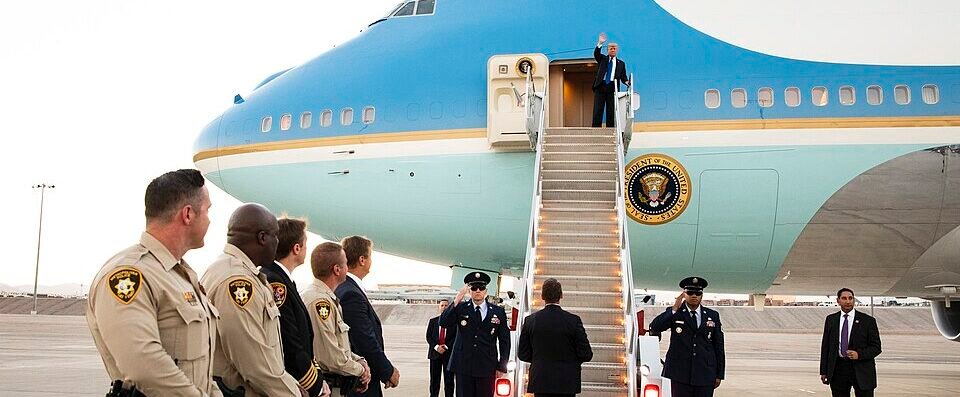
Trump arrived in Nevada for an event centered on his economic agenda, with the proposed “No Tax on Tips” policy expected to feature prominently in his message to hospitality and service-industry workers.
For Nevada, the issue carries particular weight. Las Vegas depends heavily on hotels, restaurants, casinos, entertainment venues and other businesses where tips make up an important part of workers’ income.
Trump has repeatedly argued that people who earn tips should be able to keep more of the money they receive from customers. The proposal became one of the most recognizable parts of his economic platform during his campaign and has continued to draw attention from workers and business owners in states with large tourism industries.
Why Tips Matter So Much in Nevada
Nevada’s economy is closely tied to tourism.
Every year, millions of visitors come to Las Vegas for conventions, entertainment, restaurants, casinos and major sporting events. Behind that industry is a huge workforce of servers, bartenders, hotel employees, drivers and other service workers whose earnings can include substantial tips.
That makes changes to the federal tax treatment of tips especially significant in the Silver State.
Supporters of the proposal say eliminating federal income taxes on qualifying tips could allow workers to retain more of their earnings.
Critics, however, have raised questions about how such a policy would be structured, who would qualify and how employers and workers might respond.
Those details matter because tax policy rarely affects only one group. Changes to the treatment of tips could influence wages, hiring practices, compensation structures and government revenue.
Trump’s Economic Message
The Las Vegas appearance fits into a broader effort by Trump to emphasize tax cuts and economic policy.
His administration and political allies have promoted a larger package of tax and spending measures, including proposals aimed at reducing taxes and encouraging economic activity.
Trump has presented these policies as part of an effort to increase workers’ take-home pay, support businesses and reduce what he describes as unnecessary government burdens.
The “No Tax on Tips” proposal has particular political appeal because it is easy to understand: workers who receive tips would potentially keep more of those earnings.
But the policy’s actual impact depends on the final legislation and its eligibility rules.
Nevada as a Political Battleground
Trump’s presence in Nevada also carries political significance.
The state has become an important battleground in recent presidential and congressional elections, making appearances by national political figures closely watched by both parties.
Republicans see Nevada’s service workers and working-class voters as an important constituency, while Democrats continue to compete aggressively for support in the state’s urban centers.
That competition means economic issues such as housing costs, wages, inflation and taxes are likely to remain central to the political conversation.
Trump’s visit gives Republicans an opportunity to highlight an issue designed to connect directly with workers in one of the country’s largest hospitality economies.
Democrats, meanwhile, are likely to challenge the administration’s broader economic record and question whether tax changes will deliver meaningful benefits to ordinary households.
The Bigger Debate Over Taxing Tips
The debate over tips extends beyond Nevada.
Millions of American workers receive some portion of their income through gratuities. For many, tips can fluctuate significantly depending on the season, location, customer traffic and economic conditions.
That creates a unique challenge for tax policy.
A proposal to exempt tips from federal income taxes may provide a direct benefit to eligible workers, but lawmakers must also consider how the rules would prevent abuse.
Questions include whether employers could reclassify ordinary wages as tips, whether all types of tipped income would qualify and how the government would replace lost tax revenue.
The answers could determine whether the proposal becomes a narrowly targeted tax break or a much broader change to the way service-sector compensation is treated.
What Workers Are Watching
For workers in Las Vegas, the political arguments are ultimately less important than the practical question: Would they actually take home more money?
That depends on the final details.
A worker receiving hundreds of dollars in tips each week could potentially see a noticeable difference if qualifying tips became exempt from federal income taxes. But other taxes and payroll obligations could still apply depending on the final structure of the policy.
The proposal therefore remains more complicated than its slogan suggests.
Still, its popularity demonstrates the political power of a simple economic message aimed at people who feel that too much of their paycheck disappears before it reaches their bank account.
A High-Profile Stop With a Clear Message
Trump’s Las Vegas appearance places Nevada’s hospitality workforce at the center of a national conversation over taxes, wages and economic policy.
Whether the “No Tax on Tips” proposal ultimately produces the benefits supporters expect will depend on legislation, implementation and the details of the final rules.
For now, however, the message is unmistakable.
In a city where tips are part of everyday economic life, Trump is betting that a promise to let tipped workers keep more of what they earn will resonate.
And as Nevada heads toward another closely watched political cycle, the debate over who pays, who benefits and how much workers get to keep is only beginning.