U.S. Cruise Missiles Take Out a Key Artery in Iran’s War Machine
A strategic rail bridge tying Iran to China and Russia goes down overnight — the latest reminder that when Trump says the ceasefire is over, he means it.
Somewhere north of Tehran, a bridge that moved Chinese freight and Russian cargo into Iran for a year straight is now twisted metal.
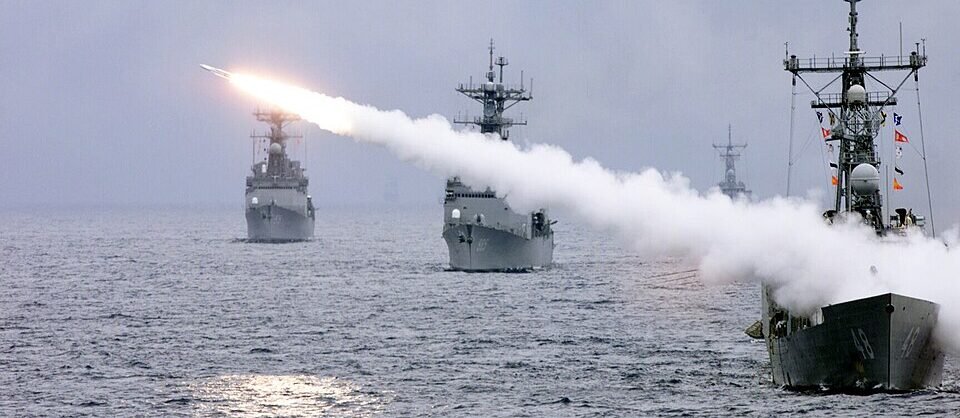
In the early hours of the morning, U.S. forces struck the Aq Tappeh Khan railway bridge in Aqqala County, Golestan province — a critical link on the corridor that connects Iran to China, Russia, and Turkmenistan. Iranian state-linked media confirmed the strike, attributing it to American cruise missiles fired as part of the renewed campaign President Trump ordered after declaring the earlier ceasefire framework dead. It was the second consecutive day of strikes at the time, and it hit exactly where it needed to.
This wasn’t a random target. Over the past year, at least 65 freight trains ran from China into Iran along this exact corridor — and traffic reportedly tripled after the U.S. Navy’s blockade forced Tehran to lean harder on rail instead of sea routes through the Strait of Hormuz. Russia has used the same line to move cargo into Iran since late 2025. In other words: when the water route got choked off, Iran built a workaround. This strike was America closing that workaround too.
That’s the piece establishment commentators keep missing. For years, the conventional wisdom in Washington was that you couldn’t really stop a determined adversary’s supply chains without a decade-long ground war and trillions of dollars. President Trump’s approach has been the opposite bet: hit the infrastructure that actually matters, do it with precision, and let the enemy spend its own resources scrambling to rebuild rather than making outsiders spend blood and treasure occupying territory.
And Iran has been scrambling. Provincial officials moved fast to insist the strike hadn’t disrupted food distribution or trade, and reconstruction crews were reportedly on site almost immediately — a pattern that’s become familiar in this war. After an earlier round of strikes hit six railway bridges across Tehran, Alborz, Qom, Isfahan, Zanjan, and East Azerbaijan provinces in April, Iranian engineers had every one of them back in operation within 96 hours. That kind of resilience says something about Iran’s engineering corps. It also says something about how many times the U.S. has been willing to come back and hit the same kind of target again.
Iran’s foreign ministry, predictably, called the strikes a violation of international law and of the memorandum of understanding between the two countries, and said American forces had hit multiple locations across its southern coast and two bridges on the Mashhad rail line within 48 hours. Qatar’s foreign minister separately condemned attacks on commercial shipping in the Strait as a threat to regional stability. Those objections are worth including honestly, because they’re the position Tehran and its regional partners are actually taking — even as U.S. Central Command maintains the strikes are aimed squarely at degrading Iran’s capacity to threaten international shipping lanes, not at civilians or civilian supply.
No casualties were reported in the Aqqala strike itself, which matters. This has not been a bloodless war — earlier strikes elsewhere in the campaign have caused civilian deaths that even Trump’s own supporters should be willing to look at honestly rather than wave away. But the operational logic behind hitting a rail bridge in the middle of the night, with no one on it, is precisely the kind of target selection supporters of “Peace Through Strength” point to when they argue this campaign is about infrastructure and deterrence, not indiscriminate destruction.
Whether this latest strike changes Tehran’s calculus is the real question. Iran has proven, strike after strike, that it can rebuild a bridge in under 100 hours. The U.S. has proven, strike after strike, that it’s willing to come back and hit the next one. That’s not a war either side can bomb its way out of by infrastructure attrition alone — which is exactly why the parallel track, the Board of Peace–style negotiations and the pressure building around the Strait of Hormuz blockade, still matters as much as any single missile strike. For now, though, the message out of Golestan province is the same one Washington has been sending since the ceasefire collapsed: Iran can spend its engineers rebuilding bridges indefinitely, or it can come back to the table. The choice, as always under this administration, is Tehran’s to make — and America’s to enforce.