
Promises Made Strength Restored Trump’s Iran Response Puts Strength Before Surrender Back at the Center
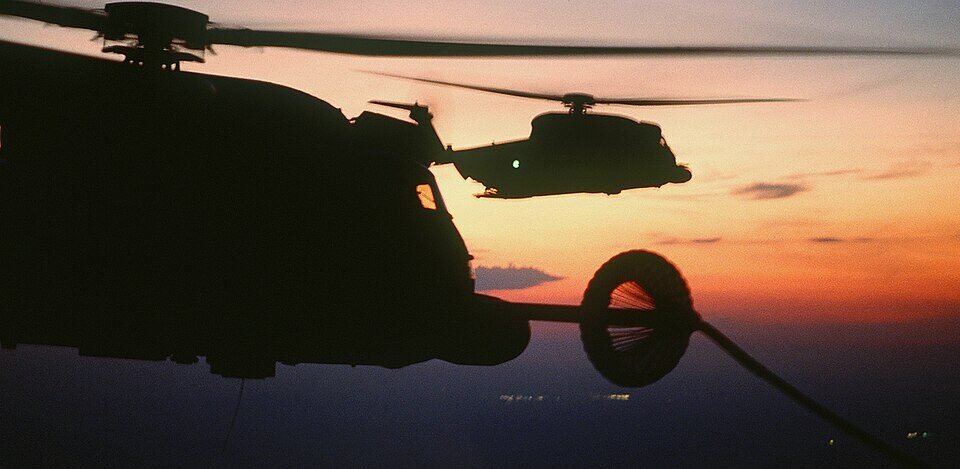
The “peace through strength” philosophy has long been one of Trump’s most recognizable foreign-policy themes. Rather than relying exclusively on prolonged negotiations, supporters say the United States should maintain enough military and economic leverage to convince hostile governments that attacking American personnel or interests will carry serious consequences.
That philosophy resonates particularly strongly with voters who remember Trump’s first presidency and its emphasis on confronting Iran’s regional influence. The administration withdrew from the 2015 nuclear agreement, imposed extensive sanctions on Tehran and repeatedly warned Iranian leaders against attacks on American personnel.
The argument from Trump’s camp is not that America should seek endless wars. Quite the opposite, supporters say. Their preferred strategy is to make American strength so obvious that adversaries think twice before escalating.
That distinction is important as the Middle East remains dangerously unpredictable. Iran maintains relationships with armed groups throughout the region, while American forces continue to operate alongside partners whose security is closely tied to U.S. military commitments. Any confrontation therefore carries the possibility of widening beyond a single exchange.
For Trump’s supporters, however, restraint without deterrence can create its own dangers. They argue that repeated attacks without a sufficiently visible response can encourage adversaries to test American limits again and again.
The debate also reaches beyond Iran. It touches a larger question about America’s role in the world: Should Washington prioritize military restraint and diplomacy above all else, or should diplomacy be backed by overwhelming capabilities and a willingness to use them when American lives are threatened?
The MAGA movement overwhelmingly favors the second approach.
Trump’s “America First” supporters argue that American foreign policy should begin with the safety of U.S. citizens and service members. They want military commitments clearly defined, alliances to produce tangible benefits for the United States, and foreign governments to understand that Washington will not tolerate attacks on Americans without consequences.
Critics of this approach counter that military escalation can produce unintended consequences. A strike intended to restore deterrence can potentially trigger retaliation, widen a conflict or place American personnel at greater risk. That is why any discussion of military action requires careful attention to verified information, congressional oversight and the broader strategic consequences.
For the White House, the challenge is balancing those competing pressures.
Trump’s political strength has always been closely connected to his willingness to project confidence. His supporters see that confidence as an asset in negotiations, particularly when dealing with governments they believe respond more seriously to strength than to diplomatic appeals alone.
The Iran question therefore represents more than another foreign-policy dispute. It is becoming another test of the broader Trump doctrine.
Can Washington deter Iran without becoming trapped in another prolonged Middle East conflict? Can the United States protect its forces while keeping diplomatic channels open? And can Trump demonstrate strength without allowing an escalation to spiral beyond American control?
Those questions will matter far more than any single headline.
For now, Trump’s supporters believe the message coming from Washington is clear: America will defend its forces, protect its interests and negotiate from a position of strength rather than fear.
Whether that strategy ultimately produces greater stability remains to be seen. But politically, it represents a return to one of the central promises of Trump’s movement—putting American security first and making adversaries think carefully before testing the United States.
For the MAGA base, that is the heart of “America First”: not seeking conflict, but making clear that America will not be an easy target.
3 thoughts on “Promises Made Strength Restored Trump’s Iran Response Puts Strength Before Surrender Back at the Center”
Leave a Reply


Not just IRAN but any nation should be aware that the U.S. Will back up it’s sovereignty by military force if necessary.
You either have strength as a nation or you simply fold. Progressive/socialists seem to like the idea of folding very much.
Iran is not a believer in peace. The country is a mess and country where only a select few survive.Its time to quit the hit and miss strikes and do serious damage. Unfortunately war means deaths and destruction. The USA does not seem to have made much of impression on Iran. President Trump is great he just needs to quit telling the public that Iran wants peace and they are ready to sign. We all know that’s not true.In wars the USA always goes in afterwards and rebuilds as they would with Iran. Iran has always hated us and that will never change. Time to do some serious damage there ..