
Could Commercial Shipping Pay More for Gulf Security? The Debate Over Protecting the Strait of Hormuz
As tensions continue in the Persian Gulf, discussions about the cost of securing one of the world’s busiest shipping lanes are attracting renewed attention.
The Strait of Hormuz handles a significant share of global oil and liquefied natural gas exports, making any disruption a concern for governments, energy markets, and international businesses.
A New Approach to Maritime Security?
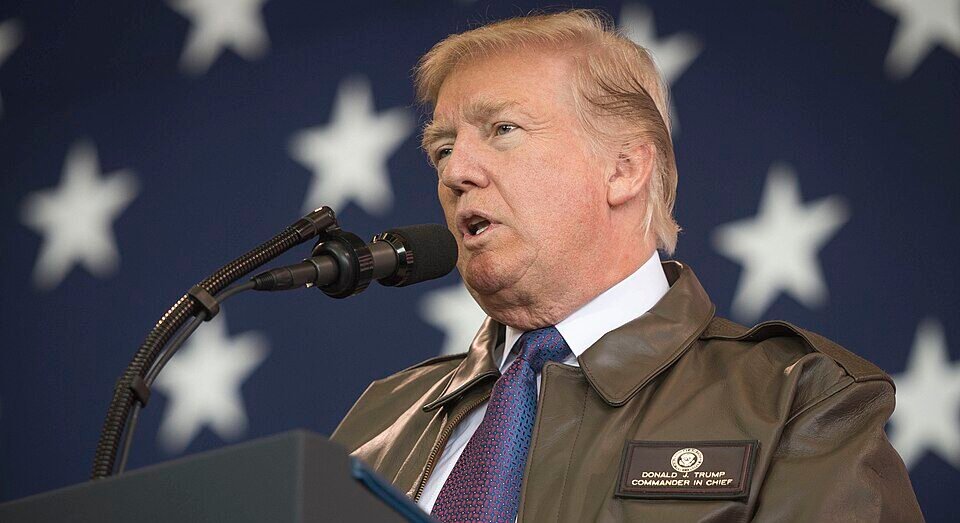
Following recent military developments in the region, President Donald Trump has argued that countries benefiting from secure shipping routes should contribute more toward the cost of protecting them.
Supporters of the idea say the United States has spent decades safeguarding international commerce and that allies should share more of the financial responsibility for maritime security.
As of now, no international cargo toll or shipping fee has been formally implemented.
Why the Strait of Hormuz Matters
The narrow waterway connects the Persian Gulf to global markets and serves as one of the world’s most important energy transit routes.
Any disruption can influence:
- Global oil prices
- Shipping insurance costs
- Supply chains
- International trade
Because of its strategic importance, developments in the region are closely monitored by governments, shipping companies, and financial markets.
Balancing Security and Economics
Foreign policy experts note that maintaining freedom of navigation has long been a priority for many nations operating in the Gulf.
Some analysts argue that greater cost-sharing among allies could reduce the financial burden on the United States, while others caution that new fees or restrictions could complicate international trade and diplomacy.
Whether future policy focuses on military deterrence, diplomatic negotiations, or broader international cooperation remains an open question.
The Bottom Line
The Strait of Hormuz remains one of the world’s most strategically important waterways. As policymakers debate how best to maintain security in the region, questions about shared responsibility, international commerce, and long-term stability are likely to remain at the center of the conversation.

Related Posts

AI-Driven Job Cuts Rise Across the UK as Companies Embrace Automation and Restructuring
Trump Renews Criticism of Ilhan Omar During Speech, Prompting Debate Over Political Rhetoric and Congressional Standards
