U.S. Signals Tougher Iran Strategy as Military Operations and Maritime Security Take Center Stage
The United States has outlined a more assertive approach toward Iran, combining military operations with increased efforts to protect commercial shipping in the Persian Gulf. The latest developments underscore how maritime security remains a central focus as tensions continue across the region.
Focus on Military Infrastructure
According to U.S. officials, recent operations have targeted military-related infrastructure associated with Iran’s offensive capabilities. The stated objective is to reduce the threat posed to international shipping and regional partners while maintaining freedom of navigation through key waterways.
Independent assessments of the full impact of the operations have not been publicly confirmed.
Growing Role of Emerging Military Technology
Defense analysts continue to monitor the increasing use of autonomous and unmanned systems in modern conflicts. Air, sea, and ground-based drones are playing a larger role in surveillance, logistics, and precision operations, reflecting a broader shift in military technology worldwide.
Experts say these platforms are likely to become an increasingly important part of future security operations.
The Importance of the Strait of Hormuz
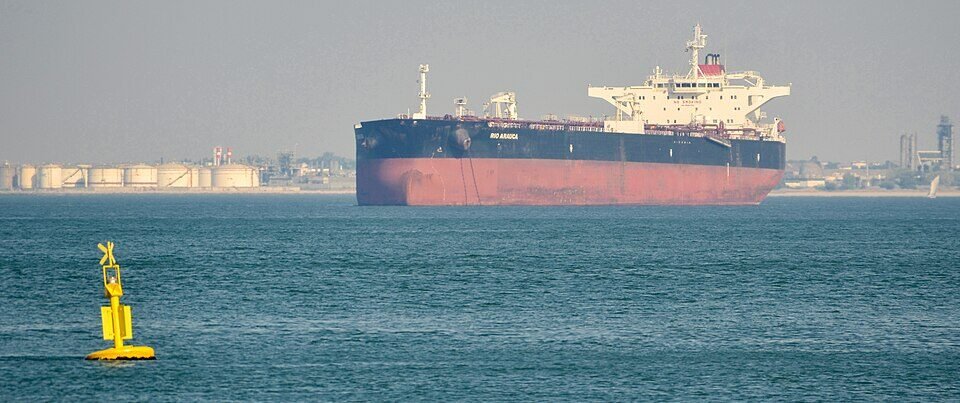
The Strait of Hormuz remains one of the world’s most strategically important maritime corridors, serving as a key route for global energy exports and commercial shipping.
Any disruption in the region can affect shipping costs, energy markets, and international trade, making stability in the waterway a priority for governments and businesses alike.
Economic and Diplomatic Implications
Beyond military operations, policymakers continue to weigh economic measures and international cooperation as part of a broader strategy toward Iran. Security experts note that protecting shipping lanes and maintaining regional partnerships remain major objectives for countries operating in the Gulf.
At the same time, analysts caution that long-term stability will likely depend on a combination of diplomacy, deterrence, and continued international engagement.
The Bottom Line
As developments continue to unfold, military technology, maritime security, and economic policy are becoming increasingly interconnected. While governments pursue different approaches to regional security, the situation remains fluid, and many details continue to evolve.
For businesses, energy markets, and global shipping companies, the Strait of Hormuz will remain one of the world’s most closely watched strategic waterways.

Related Posts

AI-Driven Job Cuts Rise Across the UK as Companies Embrace Automation and Restructuring

Young Israeli Voters Show Strong Rightward Shift as Security Concerns Dominate Election Debate