Trump at NATO Tough Messages on Iran, Spain, and Defense Spending Take Center Stage
ANKARA — The latest NATO summit quickly turned into one of the week’s most closely watched political events as U.S. President Donald Trump delivered a wide-ranging series of remarks covering Iran, NATO defense spending, trade, and social media.
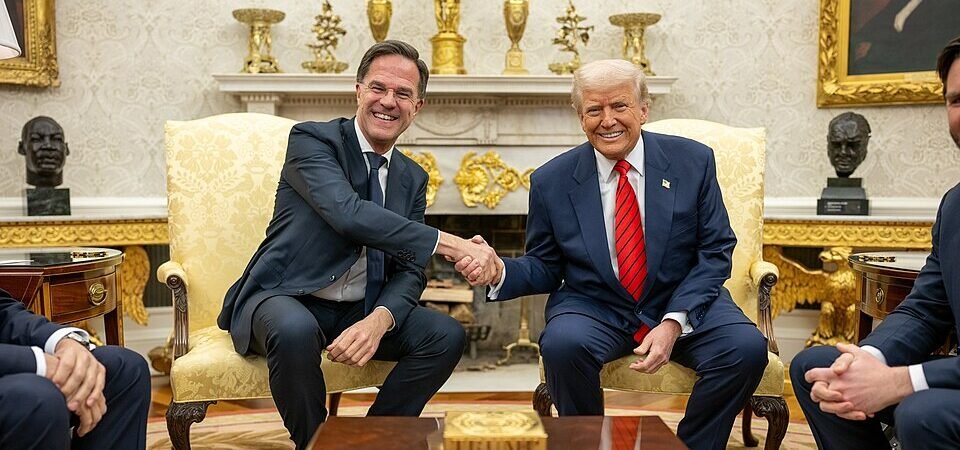
Speaking alongside NATO Secretary General Mark Rutte, Trump addressed several international issues in his characteristic direct style, offering updates on U.S. foreign policy priorities and the alliance’s future.
Trump Signals Harder Line on Iran
One of the biggest developments from the briefing involved U.S. policy toward Iran. When asked about ongoing diplomatic efforts, Trump indicated that he no longer believes negotiations are likely to produce meaningful progress.
His comments came after recent tensions in the Middle East, including reported attacks on commercial shipping and subsequent U.S. military operations. Trump emphasized that the administration’s primary objective remains preventing Iran from developing nuclear weapons while protecting regional stability.
Although he suggested diplomatic channels could remain open through other officials, his remarks reflected a significantly firmer approach than in previous statements.
Spain Draws Criticism Over Defense Spending
Trump also directed criticism toward Spain during the discussion, focusing on long-running debates over NATO members’ defense spending commitments.
He argued that every alliance member should contribute more consistently to collective security and expressed dissatisfaction with Spain’s historical spending levels. During the exchange, he also mentioned trade while discussing broader U.S.-Spain relations, although no official policy announcement or formal trade action was introduced during the briefing.
The comments underscored Trump’s continued emphasis on burden-sharing within NATO.
NATO Highlights Increased Military Investment
Secretary General Mark Rutte responded by emphasizing that European allies and Canada have substantially increased defense investments in recent years.
According to Rutte, those additional commitments total hundreds of billions of dollars, reflecting stronger support for NATO’s long-term security goals. He credited sustained pressure from successive discussions within the alliance—including Trump’s advocacy—for encouraging members to expand defense budgets.
The exchange highlighted ongoing efforts to strengthen NATO’s military readiness amid evolving global security challenges.
Social Media and Domestic Messaging
Trump also addressed questions about TikTok and online communication, arguing that social media remains an effective platform for reaching younger audiences.
He pointed to the popularity of his content on the platform and said he uses it to communicate his political message directly to voters, including discussions about economic and ideological issues.
A Summit That Drew Global Attention
The NATO summit illustrated the wide range of challenges currently facing the alliance, from regional security concerns and defense spending to diplomatic strategy and public communication.
While Trump’s remarks generated significant discussion, they also reinforced familiar themes of his foreign policy approach: encouraging greater defense contributions from allies, maintaining pressure on geopolitical rivals, and using direct public messaging to communicate his priorities.
As NATO members continue to navigate complex international issues, the summit served as another reminder of the alliance’s central role in global security and diplomacy.

Related Posts
First Lady Melania Trump Brokers Local Ceasefire in Front-Line Ukrainian Town of Oleski

Israel Enforces Strict Lockdown in Hebron Following Military Clashes as WFP Cuts Aid to Gaza