Fragile Iran Ceasefire Holds as White House Signals Pressure Campaign Will Continue
The uneasy ceasefire between the United States and Iran remained intact Tuesday night, offering a temporary pause in what had quickly become one of the most dangerous geopolitical flashpoints of the year.
But beneath the surface calm, officials in Washington and across the Middle East appear far from confident that the situation is fully under control.
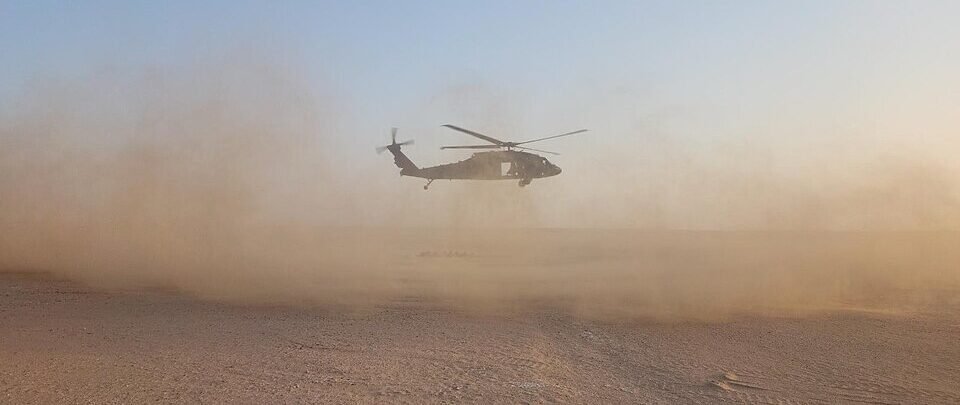
Iranian leaders continued issuing warnings following Monday’s U.S. military strikes, which the White House described as “defensive” operations intended to deter further escalation in the region. While both sides have avoided additional direct confrontation so far, analysts say the next several days could determine whether the ceasefire develops into a broader diplomatic breakthrough — or simply delays another round of conflict.
At the center of the tension is the Strait of Hormuz, one of the world’s most strategically important shipping corridors. Roughly a fifth of global oil shipments pass through the narrow waterway, making any disruption there an immediate concern for global energy markets and Western allies alike.
White House officials insist commercial access through the strait will be restored fully, signaling that the administration does not intend to tolerate prolonged disruptions to international shipping routes.
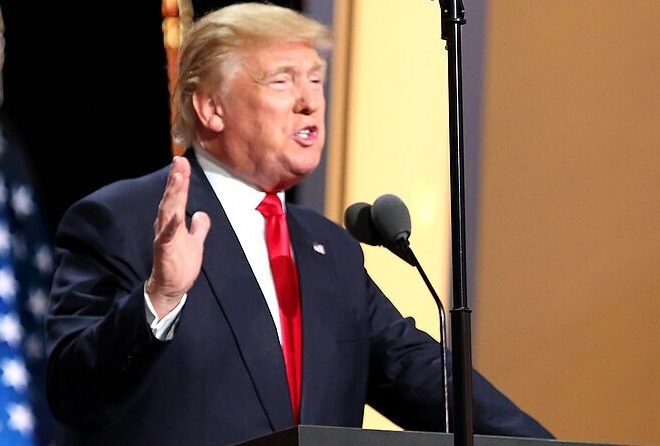
President Donald Trump is expected to convene a cabinet meeting Wednesday as senior officials assess military readiness, economic risks, and ongoing diplomatic negotiations. Supporters of the administration argue the president’s aggressive posture has reestablished deterrence after years of instability in the region. Critics, however, warn that the combination of military pressure and escalating rhetoric carries the risk of unintended consequences.
For many Americans watching from home, the broader concern is becoming increasingly familiar: whether another prolonged Middle East crisis could eventually impact fuel prices, markets, and U.S. security interests abroad.
While markets have remained relatively stable for now, investors are watching developments closely. Historically, even temporary instability around the Strait of Hormuz has triggered volatility in oil prices and renewed fears of wider regional conflict.
Diplomatic channels between the two sides reportedly remain open, though few officials are publicly predicting a long-term resolution at this stage.
Deadly Explosion at Washington State Plant Under Investigation
Elsewhere in the country, investigators are working to determine what caused a deadly industrial explosion at a paper-products facility in Longview, Washington.
The blast occurred at the Nippon Dynawave packaging plant and left multiple people dead, with others still unaccounted for as rescue crews continued operations into the evening. At least ten individuals were transported to hospitals, several with critical injuries.
Witnesses described hearing a powerful boom followed by thick smoke rising from the facility. Emergency responders faced difficult conditions while attempting to secure the site and search for missing workers.
Authorities have not yet released an official cause, though investigators are expected to examine potential chemical and equipment-related failures.
Industrial accidents of this scale often renew scrutiny over workplace safety standards, particularly in facilities handling heavy machinery and chemical materials.
Texas Republican Runoff Draws National Attention
Texas voters also headed to the polls Tuesday in a closely watched Republican runoff that could carry major implications for the GOP heading into November.
Senator John Cornyn is facing a strong challenge from Texas Attorney General Ken Paxton, who has received President Trump’s endorsement. The race is widely viewed as another measure of Trump’s influence over Republican primary voters and the direction of the party moving forward.
The winner will advance to face Democrat James Talarico in the general election later this year.
Republican strategists across the country are monitoring the outcome closely, particularly as establishment conservatives continue navigating a party base increasingly shaped by Trump-aligned candidates and issues.
NASA Pushes Ahead With Moon Mission Plans
Amid the political and geopolitical tensions dominating headlines, NASA offered a reminder that the United States is still focused on long-term ambitions beyond Earth.
The agency unveiled updated plans aimed at returning astronauts to the moon by 2028, part of a broader effort to establish a lasting human presence on the lunar surface in the coming years.
NASA officials say the initiative is designed not only to advance scientific research, but also to prepare for eventual missions to Mars.
Space exploration remains one of the few issues that still generates broad bipartisan enthusiasm, though questions remain about funding timelines, technical challenges, and whether the agency can meet its ambitious schedule.
US Men’s National Team Announces World Cup Roster
Sports fans also received a major update Tuesday as the U.S. Men’s National Team announced its roster for the 2026 FIFA World Cup.
Among the returning stars is Christian Pulisic, who is expected to play a leading role as the tournament approaches. With the World Cup set to begin June 11 in Washington, anticipation is already building around what could become one of the biggest sporting events ever hosted on American soil.
For U.S. soccer supporters, expectations are high — and the pressure will be even higher with the world watching at home.