Trump Launches Project Freedom US to Escort Stranded Ships Through Strait of Hormuz
Dozens of neutral vessels have been stuck in the waterway for weeks. Trump says America will guide them out — and that anyone who interferes will be dealt with “forcefully.”
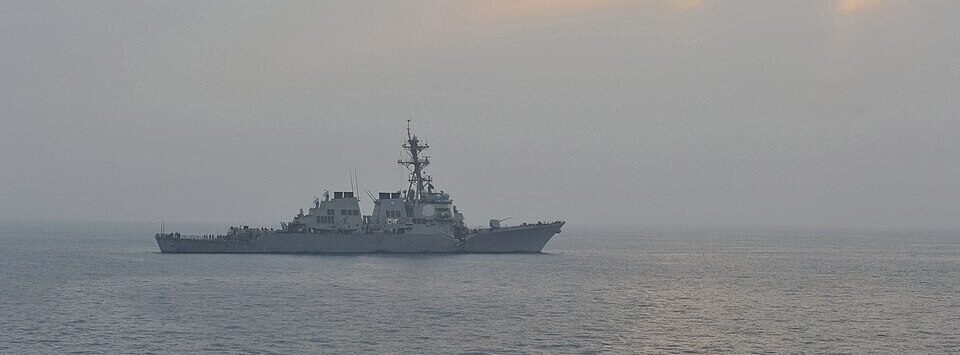
President Trump announced Sunday that the United States will begin escorting neutral cargo ships trapped in the Strait of Hormuz, dubbing the operation “Project Freedom” and warning that any interference with the effort will be met with force. The announcement came via a lengthy Truth Social post — and it signals a significant escalation of America’s physical presence in one of the world’s most strategically vital waterways.
The ships in question have nothing to do with the ongoing conflict. Many are simply commercial vessels caught in the wrong place at the wrong time — carrying goods for countries that have no stake in the US-Iran standoff. According to Trump, crews aboard some of these ships are already running critically low on food and basic supplies, which is what pushed the White House to act.
“They are merely neutral and innocent bystanders… This is a humanitarian gesture on behalf of the United States.”
— President Trump, Truth Social
That humanitarian framing is interesting — and deliberate. By positioning this as a rescue mission rather than a military operation, Trump is trying to keep diplomatic channels with Tehran open while still projecting strength. He explicitly said his representatives are having “very positive discussions” with Iran and that he believes those talks could still lead somewhere good for everyone involved.
KEY DETAILS AT A GLANCE
- Operation name: Project Freedom — begins Monday morning, Middle East time
- A cargo ship was attacked by small boats just 11 nautical miles off Iran’s coast on Sunday
- Iran’s 14-point peace proposal is being reviewed — but explicitly excludes nuclear talks
- Trump says only ~85% of Iran’s missile capability has been eliminated so far
- US troop withdrawals from Germany are also underway — “a lot further than 5,000,” Trump said
Still, the threat underneath the diplomatic language is hard to miss. If any party — Iranian military, proxy groups, or anyone else — interferes with these escort missions, Trump made clear the US will respond with force. It’s a careful line to walk: firm enough to deter trouble, measured enough not to blow up the negotiations his team is clearly invested in.
On the Iranian side, there’s movement too, even if slowly. Tehran says it has received the US response to its 14-point proposal and is reviewing it. The proposal reportedly calls for 30 days of ceasefire talks, a US withdrawal, lifted sanctions, and an end to fighting between Israel and Hezbollah in Lebanon. That last point is almost certainly going to be complicated — Israel and Hezbollah have been trading rocket and drone attacks despite an earlier US-brokered ceasefire, and Israeli Prime Minister Netanyahu has shown no signs of pulling back from Lebanon anytime soon.
One thing Iran was clear about: these are not nuclear negotiations. And that’s a problem, because Trump has consistently insisted that Iran’s nuclear program has to be part of any real deal. That gap hasn’t gone away — it’s just been temporarily overshadowed by the more immediate crisis in the strait.
Meanwhile, Sunday’s attack on a cargo ship near the strait — reportedly by multiple small boats — is a reminder of how volatile the situation remains on the water, regardless of what’s happening at the negotiating table. The British military confirmed the incident; all crew members were reported safe.
For the dozens of ship crews sitting in the strait right now, running low on supplies and waiting for something to change, Monday morning can’t come soon enough.