Iran Is Running Out of Options — And Trump Knows It
The U.S. blockade is tightening, military options are on the table, and Tehran is stuck between a rock and a hard place.
There’s a moment in every standoff where one side starts to visibly sweat. Right now, that side is Iran.
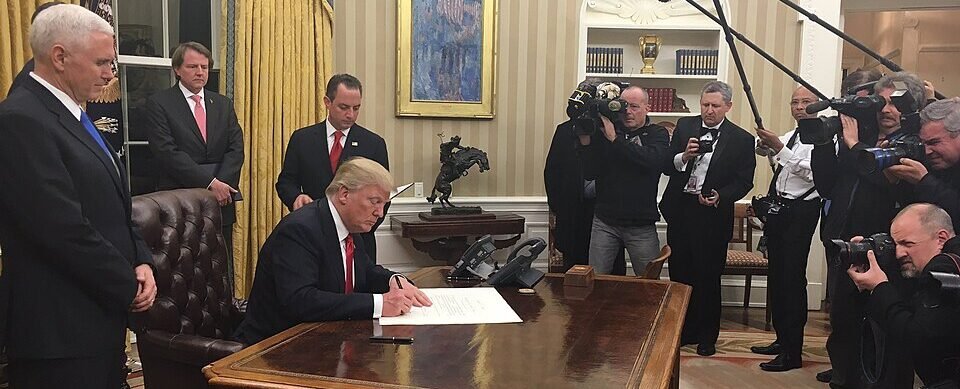
President Trump said this week that the naval blockade of Iranian ports is staying in place — and he made no apologies about it. “The blockade is somewhat more effective than the bombing,” he said, in a line that’s blunt even by his standards. The message to Tehran couldn’t be clearer: sit down, give up your nuclear weapons program, or watch your economy finish falling apart. People’s Daily
Whether you love or hate Trump’s style, the pressure campaign is working — at least economically. Iran’s currency has been hammered, food prices are spiraling, and the country is caught in a deepening standoff over control of the Strait of Hormuz. The blockade has effectively created a chokehold on Iranian oil exports, and the ripple effects inside the country are starting to show. Al Jazeera
The military options nobody wants to use (yet)
Behind the scenes, the situation is being watched very carefully. Reports indicate that U.S. Central Command has drawn up new military options — everything from targeting infrastructure to deploying hypersonic missiles for the first time in the region. The Dark Eagle hypersonic system has reportedly been requested for deployment after Iran moved its ballistic missile launchers further out of range of conventional strikes. These aren’t idle threats — they’re contingency plans being actively reviewed.
That said, Trump appears to believe the blockade alone might get the job done. Why fire a missile when you can just cut off someone’s cash flow?
Iran’s counter-offer — and why it got rejected
Here’s where it gets complicated. Iran recently passed a new proposal through Pakistani mediators: reopen the Strait of Hormuz, end the immediate crisis, and deal with the nuclear issue later. On the surface, that sounds reasonable. In practice, it’s a non-starter for Washington. Axios
The problem is straightforward — lifting the blockade and ending the war would remove Trump’s main leverage in any future nuclear negotiations. Once the pressure is gone, history suggests Iran would drag its feet indefinitely on the harder questions. The White House knows that. So does Tehran, frankly. The offer was a negotiating move, not a genuine path forward. Axios
Trump reportedly rejected the three-step proposal outright. His position is simple: no deal without a full dismantling of Iran’s nuclear weapons capability. Full stop. People’s Daily
The dual blockade nobody’s talking about
Here’s the thing that’s getting lost in the coverage — this isn’t just America blockading Iran. There’s now effectively a “dual blockade” happening: the U.S. is blockading Iranian ports, while Iran is blockading the Gulf, preventing commercial shipping from passing through the Strait of Hormuz. About a quarter of the world’s seaborne oil trade normally moves through that waterway. Right now, much of it doesn’t. Wikipedia
That has consequences far beyond Tehran and Washington. German Chancellor Friedrich Merz publicly criticized the U.S. this week, saying the Americans have “no truly convincing strategy” in the negotiations. Oil prices are climbing. Allies are getting nervous. Australia’s foreign minister is on a diplomatic tour of Asia specifically to discuss energy security. NPR
The pressure isn’t just on Iran.
So what happens next?
Iran has ruled out limiting its missile and drone production or ending support for Hezbollah and Hamas — two demands that both the U.S. and Israel consider non-negotiable. That’s a wide gap to bridge. Al Jazeera
Russia has now entered the picture, with Putin putting forward proposals after meeting with Iran’s foreign minister. Whether Moscow can move the needle, or is just trying to stay relevant, remains to be seen. Axios
The likeliest scenario in the short term: the standoff continues, the economic pressure on Iran intensifies, and both sides wait to see who blinks first. Iran’s leadership — particularly the IRGC hardliners — have shown they’d rather fight than fold. But ordinary Iranians are paying the price for that posture, and that internal tension is real.
Trump holds the stronger hand right now. The question is whether he plays it for a deal, or keeps squeezing.