
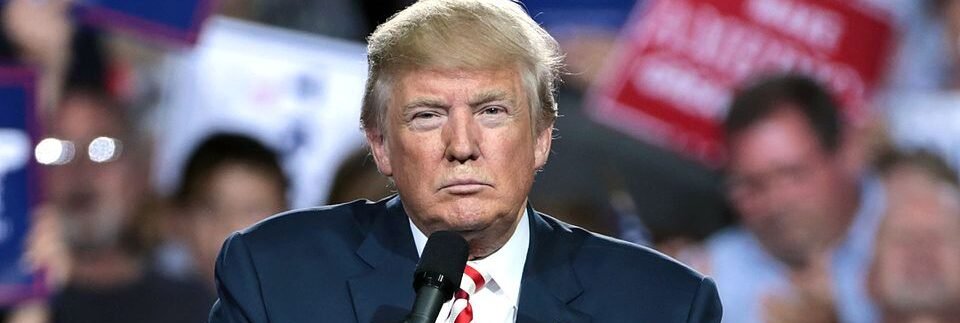
Trump Cancels Iran Talks at the Last Minute They Can Call Us We’re Not Flying 18 Hours to Sit Around.
BREAKING DIPLOMACY IRAN April 26, 2026 · 5 min read · capitalbridge.com
The U.S. envoys were packed and ready to leave for Pakistan. Then Trump pulled the plug. What looked like a diplomatic breakthrough is now something much harder to read.
There were envoys. There were flights booked. There were Iranian officials already on the ground in Pakistan waiting to talk. And then, with hours to spare, Donald Trump called it off.
In a direct quote passed to Fox News, the president put it simply: “I’ve told my people a little while ago — they’re getting ready to leave — I said nope. You’re not going to make an 18-hour flight to go there. We have all of the cards. They can call us anytime they want.”
That’s not diplomatic language. That’s a negotiating posture — and a deliberately public one. Trump has used this playbook before: make the other side come to you, make them feel the cost of not engaging, and never let them think you need the meeting more than they do. Whether that works with Iran is the multi-billion dollar question right now.
The situation unraveled fast. U.S. envoys Steve Witkoff and Jared Kushner were set to lead a delegation to Pakistan for indirect talks with the Iranian side. The Iranian foreign minister had already arrived in Islamabad. The two sides had come closer than they had in years to sitting in the same city, talking about the same things, through the same mediators.
Then word came that Iran’s foreign minister had left Pakistan. Trump’s team pulled the plug shortly after. The White House’s position, as stated by the president himself, is essentially: we’re not chasing you. You know where to find us.
“You are not going to be making anymore 18-hour flights to sit around and talk about nothing.”— PRESIDENT DONALD TRUMP, VIA FOX NEWS EXCLUSIVE
Meanwhile, the pressure isn’t just rhetorical. The Treasury Department this week rolled out a fresh wave of sanctions targeting 48 shipping firms and vessels linked to Iran’s shadow fleet — the network of tankers used to move oil outside official channels. And Defense Secretary Pete Hegseth confirmed the naval blockade at the Strait of Hormuz is very much still on.
“This is a real, full blockade. We will use up to and including lethal force if necessary.”— DEFENSE SECRETARY PETE HEGSETH
Medal of Honor recipient Dakota Meyer, speaking on Fox News shortly after the cancellation, didn’t mince words. His read: if Iran won’t come to the table seriously, the U.S. will likely return to airstrikes to force the issue. “I do think we’re going to go back to bombing them until we get them to say we’re going to come to the table,” he said — while adding the caveat that he has no inside knowledge of the timeline.
Former national security advisor Keith Kellogg, separately, floated something more surgical: seizing Kharg Island, Iran’s primary oil export terminal in the Persian Gulf. That would be an economic chokehold of a different order entirely — not just sanctions and blockades, but a direct seizure of the infrastructure Iran uses to fund everything else. It’s the kind of move that ends negotiations or forces them into a completely different gear.
The key dynamic: Iran’s foreign minister arrived in Pakistan, met with Pakistani military leadership, and then left — before the U.S. delegation even departed. That sequence matters. It suggests Iran may be running its own delay tactics, using the talks as a pressure-release valve without committing to anything substantive. Trump, characteristically, decided to call that bluff publicly.
WHY THIS MOMENT FEELS DIFFERENT
There’s a reason analysts keep using phrases like “once in a lifetime opportunity” around this situation. Iran’s economy is genuinely under pressure in a way it hasn’t been in decades. The shadow fleet is being systematically dismantled through sanctions. The Strait of Hormuz — through which roughly 20% of the world’s oil flows — is under active U.S. naval control. The nuclear program has faced significant setbacks. The regional proxy network that used to give Iran strategic depth has been degraded.
That combination of factors is rare. It won’t last forever. Iran knows this. The Trump administration knows this. The question is whether the pressure is enough to produce a deal that actually sticks — or whether it tips into something no one planned for.
The 2015 nuclear deal, which Trump withdrew from in his first term, was already fraying before it collapsed. The lesson both sides took was different: Iran concluded that deals with Washington aren’t durable across administrations. Washington concluded that Iran uses deal-making as a stalling tactic. Neither conclusion makes the next negotiation easy.
The White House says Iran can call anytime. That sounds like confidence — and it might be. But it also means the next move belongs entirely to Tehran. If Iran’s leadership calculates that Trump will blink before they do, this goes one way. If they calculate that a second round of strikes is coming regardless, it goes another. And if somebody miscalculates, it goes somewhere nobody wants.
The 18-hour flight isn’t the story. What happens in the next 18 days probably is.


One thought on “Trump Cancels Iran Talks at the Last Minute They Can Call Us We’re Not Flying 18 Hours to Sit Around.”