Iran Issues Warning to Trump as Tensions Rise Over Naval Blockade
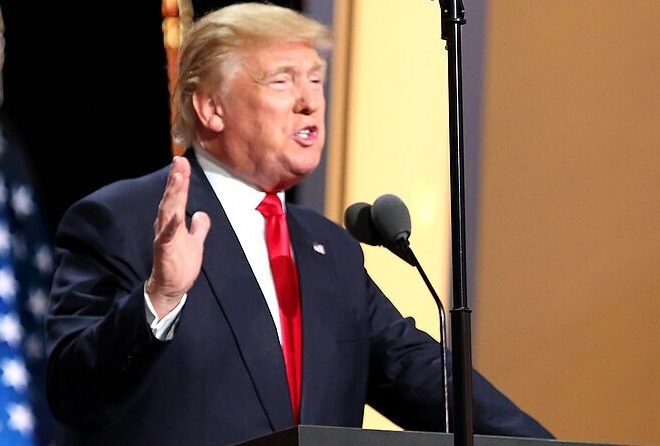
Tensions between the United States and Iran appear to be escalating once again, as a senior Iranian official delivers a sharp warning aimed at former U.S. President Donald Trump.
Speaking publicly, Iran’s parliamentary speaker Mohammad Bagher Ghalibaf signaled a tougher stance, suggesting the country is preparing to reveal “new cards on the battlefield.” The statement comes amid growing friction over U.S. naval actions and stalled diplomatic efforts.
“Negotiation Under Threat” Rejected
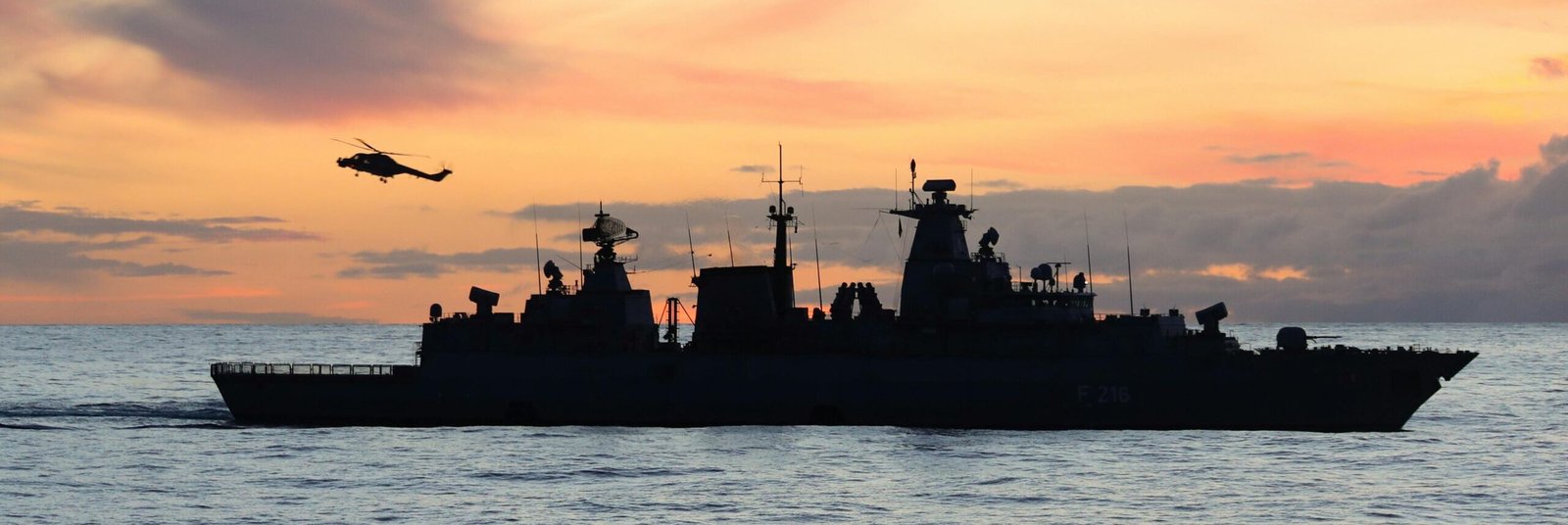
Ghalibaf criticized what he described as pressure tactics from Washington, particularly the use of naval blockades. According to him, such actions undermine the spirit of diplomacy.
“We do not accept negotiations under the shadow of threat,” he said, making it clear that Iran views the current approach as coercive rather than constructive.
The remarks reflect a widening gap between the two sides, with Iran pushing back against what it sees as an attempt to force concessions.
Rising Pressure in the Region
The latest warning comes at a time when the United States has increased its military and naval presence in key strategic areas. These moves are often framed as efforts to enforce sanctions and maintain regional stability.
However, Iranian officials argue that such actions escalate tensions and make meaningful dialogue more difficult.
The reference to “new cards” has raised questions among analysts about what steps Iran might take next—whether diplomatic, economic, or military.
A Fragile Diplomatic Path
Efforts to restart or sustain negotiations between the U.S. and Iran have faced repeated setbacks. Both sides continue to express willingness to talk, but deep mistrust remains a major obstacle.
Key sticking points include:
- Economic sanctions
- Military presence in the region
- Iran’s strategic and nuclear policies
Statements like this latest warning suggest that progress may remain slow, if not stalled entirely.
With tensions rising, international observers are closely watching how both nations respond in the coming days. Any escalation—rhetorical or otherwise—could have broader implications for regional security and global energy markets.
For now, the message from Tehran is clear: pressure will be met with resistance, and the path to negotiation remains uncertain.