
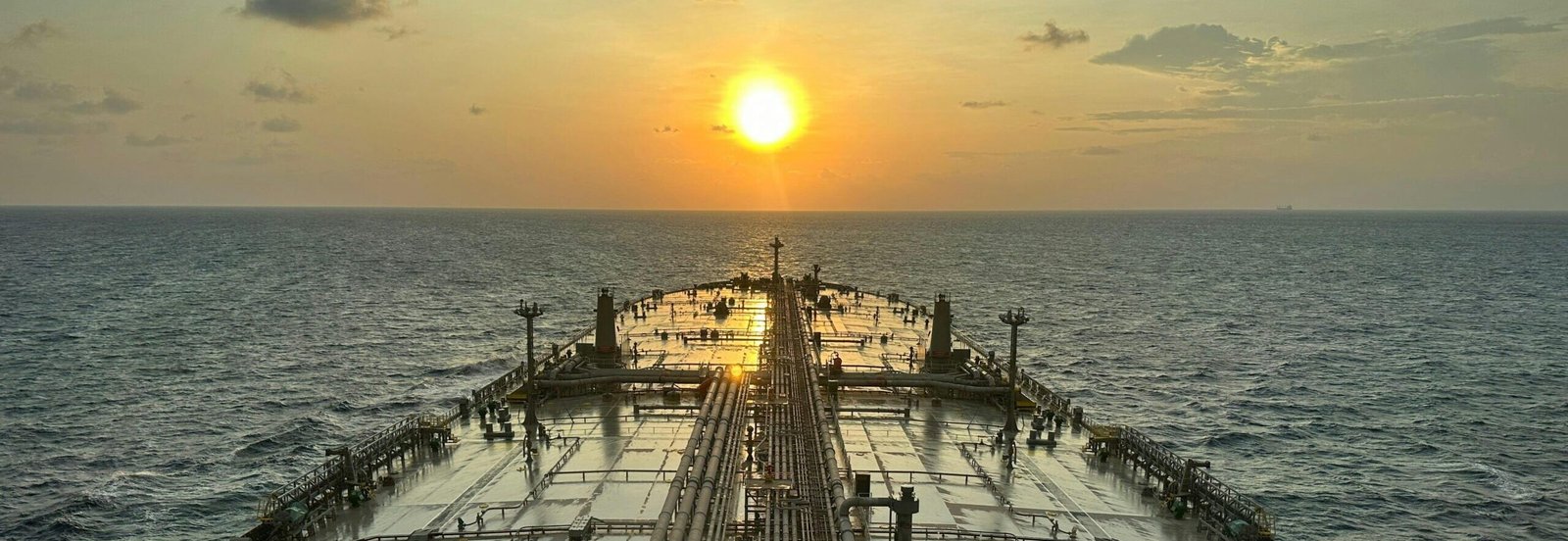
US Forces Board Sanctioned Oil Tanker in Indo-Pacific Targeting Iran Linked Network
In a move that signals tightening maritime enforcement, U.S. forces have boarded a sanctioned oil tanker in the Indo-Pacific region, according to an official statement.
The vessel, identified as the M/T Tifani, is described as a stateless tanker allegedly linked to networks providing material support to Iran. Officials confirmed that the operation was carried out without incident.
A Quiet but Significant Operation
According to the statement, U.S. forces conducted what is known as a “right-of-visit” boarding—an action typically used in international waters when a vessel is suspected of operating without proper national registration or violating sanctions.
The operation took place overnight within the Indo-Pacific area of responsibility. Authorities emphasized that the boarding was executed safely, with no reported resistance or escalation.
Focus on Sanctions Enforcement
The action is part of a broader effort to disrupt illicit maritime networks tied to sanctioned activities. U.S. officials made it clear that enforcement is not limited by geography.
“International waters are not a refuge for sanctioned vessels,” the statement noted, underscoring a more assertive stance on global maritime monitoring.
This reflects a growing priority: targeting vessels that attempt to bypass sanctions through tactics like operating without a clear national flag or masking ownership.
Why Stateless Vessels Matter
Stateless ships—those not registered under any country—often raise red flags in international law. Without clear oversight, such vessels can be used to transport sanctioned goods, including oil shipments linked to restricted entities.
By intercepting these ships, authorities aim to:
- Limit financial channels tied to sanctioned networks
- Increase transparency in global shipping
- Reinforce international maritime rules
Broader Implications
While the operation itself was uneventful, its implications could ripple across global trade and security dynamics.
The Indo-Pacific region is a key route for energy shipments and international commerce. Increased enforcement activity may:
- Put pressure on networks attempting to evade sanctions
- Raise awareness among shipping operators
- Signal a stricter approach to maritime compliance
Officials indicated that similar operations may continue as part of ongoing enforcement efforts. The goal, they say, is to deny illicit actors the ability to operate freely at sea.
For now, the boarding of the M/T Tifani highlights a broader message: even in international waters, oversight is tightening—and enforcement is becoming more visible.
One thought on “US Forces Board Sanctioned Oil Tanker in Indo-Pacific Targeting Iran Linked Network”
Leave a Reply



Illegal is Illegal and the LAW of the SEA should be enforced.