Iran Reimposes Strait of Hormuz Restrictions, Raising Global Concerns
In a move that’s already sending ripples through global markets, Iran has tightened control over the crucial Strait of Hormuz—just days after signaling it might reopen the waterway.
According to reporting from The Associated Press, Iranian authorities have now reversed course, reinstating restrictions and putting the region back on edge.
What Changed?
Iran’s joint military command announced that control of the strait has returned to its previous, more restrictive state, now under “strict management” by armed forces.
The decision appears tied to ongoing tensions with the United States. Officials in Tehran say the restrictions will stay in place as long as U.S. measures targeting Iranian ports continue.
Why the Strait of Hormuz Matters So Much
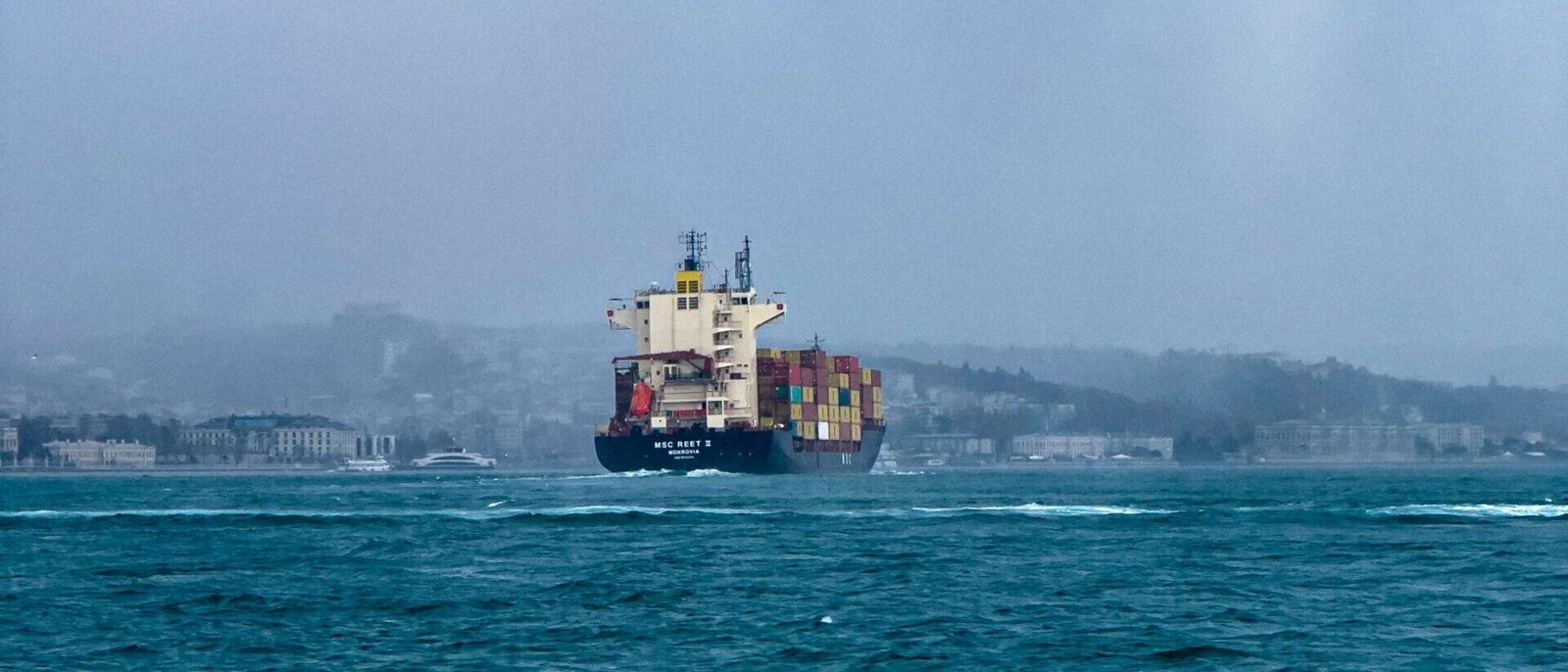
This narrow stretch of water isn’t just another shipping route—it’s one of the most important energy corridors on the planet. A large share of the world’s oil supply passes through it every day.
Even small disruptions here can:
- Push oil prices higher
- Delay shipments worldwide
- Increase costs for businesses and consumers
In short, what happens in the Strait of Hormuz doesn’t stay there—it affects the global economy.
Trump’s Comments Add to Tensions
The shift also follows remarks by Donald Trump, who reportedly said reopening the strait alone wouldn’t be enough to resolve the broader standoff.
That statement may have reinforced Iran’s decision to maintain pressure rather than ease restrictions.
Markets and Governments on Alert
Energy markets are watching closely, with traders bracing for possible price swings. Governments, especially those heavily reliant on Middle Eastern oil, are also monitoring the situation for signs of escalation.
At this stage, there’s no clear timeline for when—or if—the restrictions might be lifted.
A Situation That Could Escalate
While the current measures stop short of a full blockade, they highlight how quickly tensions in the region can shift. With both sides holding firm, the risk of further escalation remains real.
For now, the world’s attention is fixed on one narrow waterway with outsized importance.