Pentagon Issues Stark Warning to Iran as Tensions Escalate
April 16, 2026 | Washington, D.C.
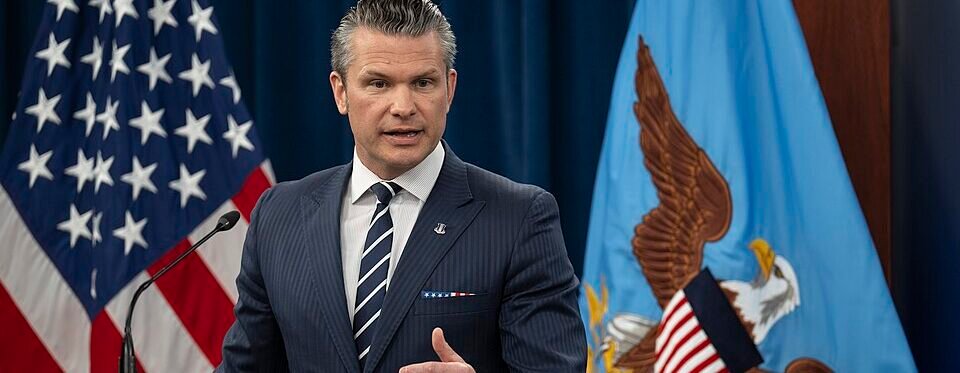
In one of the bluntest public messages yet, U.S. Defense Secretary Pete Hegseth delivered a direct and unusually sharp warning to the military leadership of Iran, signaling rising tensions and a hardening U.S. stance.
⚠️ “We’re Watching You”
Speaking on the movement of Iranian military assets, Hegseth made it clear that the United States is closely monitoring developments in real time.
“We’re watching you. Our capabilities are not the same—our military and yours. Remember, this is not a fair fight.”
The statement underscores a message of overwhelming U.S. military superiority, a tone that analysts say is meant to deter escalation rather than invite it.
A Direct Message to Iran’s Military
Hegseth didn’t stop there. In remarks that went further than typical diplomatic language, he challenged Iran’s ability to sustain any prolonged conflict.
“You have no defense industry, no ability to replenish your offensive or defensive capabilities. You only have what you have—you know that. And we know that you can move things around, but you can’t actually rebuild.”
Such comments are rare in their specificity and intensity, effectively questioning Iran’s long-term military resilience.
Rising Pressure in a Fragile Moment
The warning comes at a time of heightened geopolitical strain, with ongoing concerns over Iran’s regional activities and military positioning.
Experts note that while strong rhetoric can serve as a deterrent, it also raises the stakes. Publicly calling out another nation’s military capabilities—especially in such stark terms—can escalate tensions if not carefully managed.
Strategy or Escalation?
There are two ways to read this moment.
On one hand, the message is clearly designed to project strength and discourage further movement by Iran. On the other, it reflects a shift toward more confrontational public messaging—something that can be effective, but also risky.
What Comes Next?
For now, there’s no indication of immediate military action. But the tone of the message suggests the U.S. is drawing a firm line—and wants Iran to know it.
Whether this leads to de-escalation or further friction will likely depend on what happens next behind the scenes.
The Bottom Line
This wasn’t just a warning—it was a statement of intent.
The U.S. is signaling that it’s watching closely, confident in its position, and prepared to respond if necessary. The question now is whether that message will cool tensions—or push them