U.S. Supreme Court Expected to Consider Major Questions on Birthright Citizenship
Potential Ruling Could Reshape U.S. Immigration and Citizenship Policy
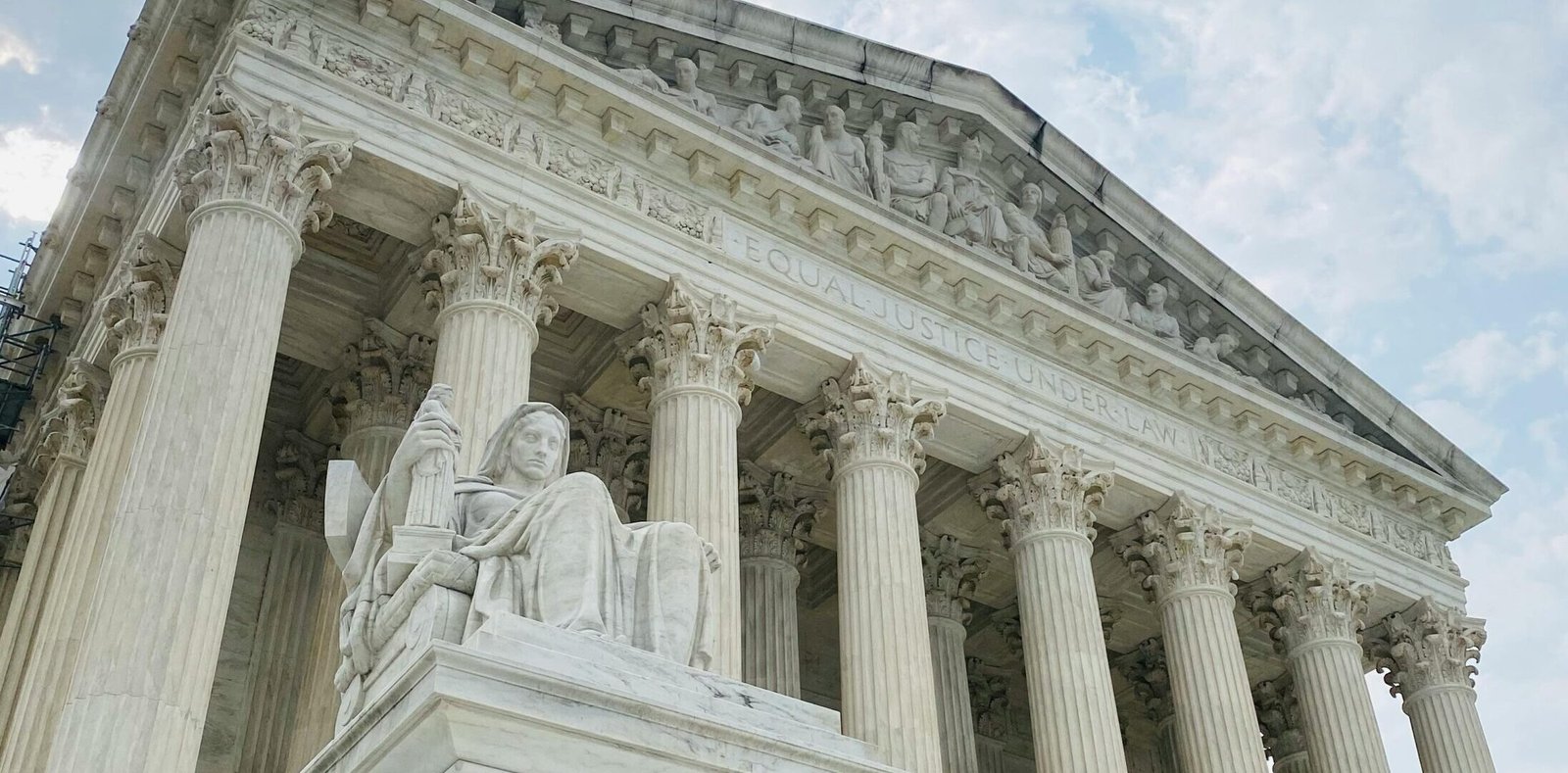
Washington, D.C. — The Supreme Court of the United States is expected to weigh major legal questions surrounding birthright citizenship, a constitutional principle that grants citizenship to most people born on U.S. soil. Legal experts say a ruling on the issue could have significant implications for immigration policy and the future interpretation of citizenship laws in the United States.
Birthright citizenship is rooted in the Fourteenth Amendment to the United States Constitution, which states that all persons born or naturalized in the country and subject to its jurisdiction are citizens. The amendment has long been interpreted to grant automatic citizenship to children born in the United States regardless of their parents’ immigration status.
Immigration Debate Intensifies
The issue has become a major topic in national political debates, particularly during discussions about immigration reform and border policy. Donald Trump and several political allies have previously argued that the interpretation of the Fourteenth Amendment should be reconsidered, suggesting that birthright citizenship encourages irregular immigration.
Supporters of maintaining the current interpretation argue that the amendment’s language is clear and that changing its application could require a constitutional amendment rather than a court ruling.
States and Political Leaders Weigh In
Officials in several states have expressed strong opinions about the issue. Leaders in Florida have voiced support for efforts to review how birthright citizenship is interpreted, saying the court’s decision could help clarify federal immigration policies.
Advocacy groups on both sides of the debate are closely watching the case, noting that the outcome could affect millions of families and reshape legal precedent regarding citizenship rights.
National Implications
Legal analysts say that if the Supreme Court agrees to hear the case and ultimately issues a major ruling, it could redefine how the Fourteenth Amendment is applied in modern immigration law.
Any decision could have lasting effects on immigration enforcement, citizenship eligibility, and the broader political debate surrounding immigration in the United States.
Photo by Phung Touch: