The Duality of Donald Trump From a Courteous Presidential Farewell to Candid Political Combat
Few political figures in modern American history have generated as much debate, admiration, criticism, and fascination as Donald Trump. Throughout his time in public life, supporters have praised him as an unconventional leader who speaks candidly and challenges political norms, while critics have accused him of deepening divisions in an already polarized nation.
Yet neither description fully captures the complexity of Trump’s public image. Recent discussions revisiting both his private correspondence with former President Joe Biden during the 2021 transition and his more recent comments about political opponents have reignited a broader conversation about the contrasting qualities that continue to define the 47th president of the United States
The two moments, separated by several years, offer a striking look at the different sides of Trump’s political personality and the leadership style that has made him one of the most influential figures in contemporary American politics.
A Quiet Presidential Tradition
When American presidents leave office, they often participate in one enduring tradition: leaving a personal note for their successor in the Oval Office.
Despite the turmoil that marked the aftermath of the 2020 election, Trump followed that custom before leaving the White House in January 2021. The letter, later discussed publicly, reportedly struck a notably respectful and reflective tone.
According to accounts of the note, Trump expressed hope for Biden’s success and emphasized the importance of serving the American people. The message reflected a sentiment shared by many outgoing presidents, regardless of political differences: that the country’s interests ultimately transcend partisan competition.
Political observers noted that the letter stood in contrast to the heated rhetoric that had characterized much of the election aftermath. While Trump’s public position regarding the election remained unchanged, the private communication appeared to acknowledge the responsibilities associated with a peaceful transfer of power.
For some analysts, the note offered a reminder that political leaders often communicate differently in private settings than they do on campaign stages, social media, or television appearances.
The Public Trump
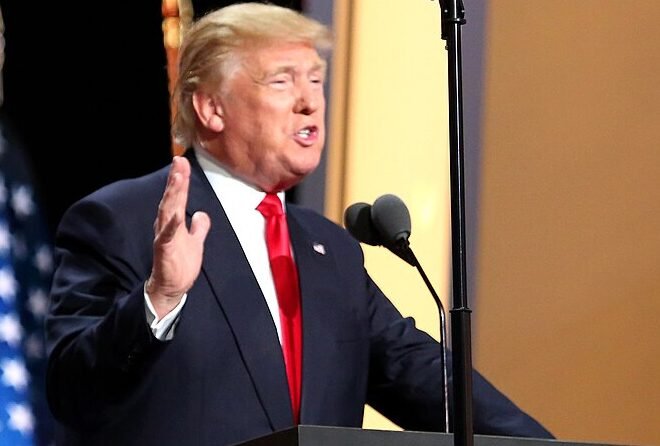
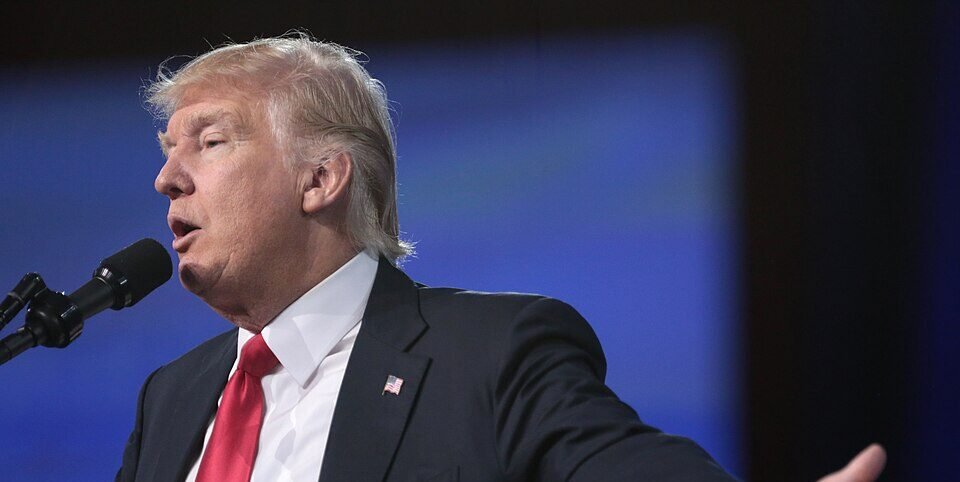
In contrast to that private moment, Trump’s public persona has long been characterized by direct and often confrontational language.
Whether speaking at rallies, during interviews, or on social media platforms, he has frequently expressed strong opinions about political opponents, media organizations, and government institutions that he believes have treated him unfairly.
During recent interviews discussing politics, personal beliefs, and historical grievances, Trump continued to demonstrate the combative style that has become a hallmark of his political identity. When discussing political adversaries, he has often emphasized loyalty, accountability, and what he describes as a commitment to defending the country’s interests.
Supporters view this approach as evidence of authenticity. They argue that Trump says what he believes rather than relying on carefully scripted political messaging.
Critics, however, contend that such rhetoric can deepen political polarization and make national reconciliation more difficult.
Regardless of perspective, few observers dispute that Trump’s willingness to speak bluntly remains one of the defining characteristics of his political brand.
The Balance Between Statesmanship and Combativeness
Political historians note that many presidents have displayed different public and private personas. Campaigning often rewards sharp partisan distinctions, while governing typically requires negotiation, compromise, and institutional cooperation.
Trump’s case, however, has attracted particular attention because of the extreme contrast some observers perceive between moments of diplomacy and moments of confrontation.
The letter to Biden represented a traditional presidential gesture rooted in continuity and institutional respect. Meanwhile, his public comments have frequently reflected ongoing political battles and deeply held disagreements with opponents.
For supporters, these two sides are not contradictory. They argue that Trump can respect presidential institutions while simultaneously maintaining strong personal convictions about political conflicts.
For critics, the contrast illustrates the challenges of reconciling messages of national unity with rhetoric that often emphasizes political divisions.
Either way, the coexistence of those qualities continues to be a significant aspect of how Trump is viewed across the political spectrum.
A Unique Political Legacy
Trump’s influence on American politics extends far beyond any single policy proposal or election cycle.
He reshaped the Republican Party, transformed political communication through direct engagement with supporters, and altered discussions surrounding trade, immigration, foreign policy, and the role of federal institutions.
Even among those who disagree sharply about his presidency, there is broad recognition that his impact on American political culture has been profound.
Part of that influence stems from the fact that Trump often defies conventional political categories. He can deliver remarks that appear conciliatory one moment and fiercely combative the next, making him difficult for both supporters and critics to neatly define.
Political analysts frequently argue that this unpredictability has contributed to both his success and the controversies surrounding his career.
Looking Ahead
As historians, voters, and political observers continue evaluating Trump’s place in American history, moments such as the private letter to Biden and his candid discussions about political rivalry provide insight into the complicated nature of his leadership style.
They reveal a figure capable of traditional presidential gestures while also embracing a highly confrontational political approach. For some Americans, that combination reflects authenticity and conviction. For others, it raises questions about leadership, unity, and the role of political rhetoric in a divided nation.
What remains clear is that Trump continues to be a political figure who resists simple characterization. His legacy is likely to be debated for years to come, shaped not only by policies and elections but also by the enduring tension between grace and grievance, diplomacy and combativeness, that has defined much of his public life.