
Compassion on the Front Line Ebola Survivors Step In to Comfort Sick Children in the DRC
DEMOCRATIC REPUBLIC OF CONGO — In Ebola treatment centers across the Democratic Republic of Congo (DRC), medical teams are fighting not only a dangerous virus but also the fear, isolation, and uncertainty that accompany the disease. As healthcare workers work to contain the outbreak and care for patients, a unique group of people has emerged as an important source of support: Ebola survivors themselves.
Having faced the disease firsthand and recovered, these survivors are returning to treatment wards to help patients navigate one of the most difficult experiences of their lives. Their role extends beyond medical treatment, providing emotional reassurance and human connection to people isolated from family members and loved ones.
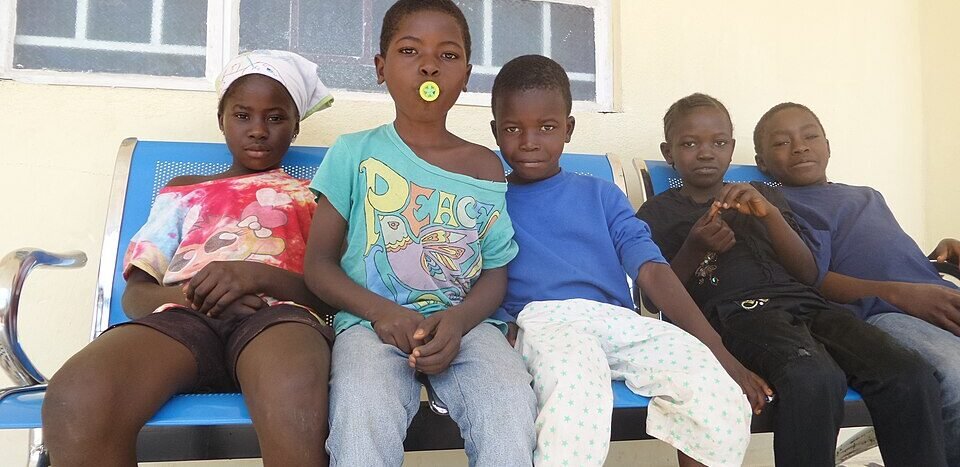
For children admitted to Ebola treatment centers, the experience can be particularly frightening. Young patients are often separated from their parents or caregivers while receiving specialized treatment. Surrounded by healthcare workers dressed in protective equipment and unfamiliar medical devices, many struggle to understand what is happening around them.
Recognizing these challenges, humanitarian organizations and healthcare providers have increasingly turned to survivors to support patients, especially children. Their presence can help ease anxiety and create a sense of comfort in an otherwise intimidating environment.
Among those taking on this responsibility is 29-year-old Jacis Mahamba, who survived infection with the Bundibugyo strain of Ebola. Rather than leaving the disease behind after his recovery, Mahamba has chosen to return to the very wards where patients are battling the virus.
Wearing full protective equipment and following strict safety procedures, he spends his days assisting doctors and nurses while offering encouragement to those undergoing treatment.
One of the patients who left a lasting impression on him was a seven-month-old infant receiving care inside an isolation ward.
According to Mahamba, the child was distressed and crying, unable to communicate what was causing discomfort or fear. He decided to stay with the infant, providing companionship and reassurance until the baby gradually calmed down.
The experience highlighted a reality often encountered in treatment centers: while medical care addresses the physical effects of Ebola, emotional support remains an essential part of recovery.
Healthcare workers say very young children face unique challenges because they cannot explain their symptoms or express their fears. In these situations, caregivers who can offer comfort and close attention become especially valuable.
Family members waiting outside treatment areas often experience significant anxiety as they await updates on their loved ones. For many families, knowing that someone is present to watch over a child and provide comfort offers a measure of relief during an extremely difficult period.
Mahamba’s work extends beyond caring for infants. He regularly meets with adult patients, sharing his own story of survival and recovery.
His message is often simple but powerful: recovery is possible, and patients should not lose hope.
Drawing on his personal experience, he encourages people to speak openly with healthcare workers, ask questions about their treatment, and remain engaged in the recovery process. Because he has already faced the disease and survived, his words frequently carry a level of credibility and understanding that can be difficult for others to replicate.
Patients often respond positively to hearing from someone who understands their fears firsthand. Survivors can relate to the physical pain, emotional stress, and uncertainty that accompany Ebola treatment, allowing them to build trust quickly with those currently battling the disease.
Humanitarian organizations operating in the DRC have increasingly recognized the value of this approach. Groups such as Doctors Without Borders, also known by its French acronym MSF, have incorporated Ebola survivors into response efforts, employing them as caregivers, community outreach workers, and patient advocates.
Medical coordinators say survivors serve an important role in helping patients feel more comfortable within treatment centers. Their presence can improve communication between patients and medical teams while reducing feelings of isolation.
Health experts also note that survivor involvement can help address another challenge that frequently accompanies Ebola outbreaks: stigma.
People who contract Ebola may face fear, misunderstanding, or social exclusion within their communities. When survivors visibly participate in treatment efforts and public health campaigns, they help demonstrate that recovery is possible and that those who overcome the disease can continue leading meaningful lives.
Reducing stigma is considered an important part of outbreak response because it can encourage people to seek treatment sooner and cooperate with health interventions.
The growing use of survivors comes as healthcare systems in parts of Central Africa continue to face pressure from ongoing Ebola outbreaks. Medical teams are working to identify new cases, trace contacts, provide treatment, and limit further spread of the virus.
Public health officials emphasize that controlling an outbreak requires more than medicines and protective equipment. Building trust within communities and ensuring that patients feel supported are also critical components of an effective response.
For many observers, the work being carried out by survivors such as Mahamba demonstrates how personal experience can become a powerful tool in public health efforts.
Inside treatment centers where uncertainty often dominates daily life, survivors provide something that cannot be measured by statistics alone: hope. Their presence reminds patients and families that recovery is possible and that even in the midst of a serious health crisis, compassion remains one of the most valuable resources available.
As the Democratic Republic of Congo continues its fight against Ebola, the contributions of survivors are helping bridge the gap between medical care and human connection, offering comfort to some of the outbreak’s most vulnerable patients when they need it most.

Related Posts

France Accuses Iran of Orchestrating Cyberattack on National Supermarket Refrigeration Systems

US Signals Optimism on Iran Conflict While Tehran Demands Compliance With Core Conditions
