US Signals Optimism on Iran Conflict While Tehran Demands Compliance With Core Conditions
A cautious sense of optimism has emerged from Washington regarding the ongoing confrontation involving Iran, with US President Donald Trump suggesting that diplomatic efforts may be creating momentum toward a broader reduction in tensions. However, officials in Tehran continue to reject suggestions that the conflict is nearing a resolution, maintaining that key political and economic demands must be addressed before any lasting agreement can be reached.
The differing messages underscore the significant gap that remains between the two sides despite increased diplomatic activity and growing international efforts to prevent further escalation across the Middle East.
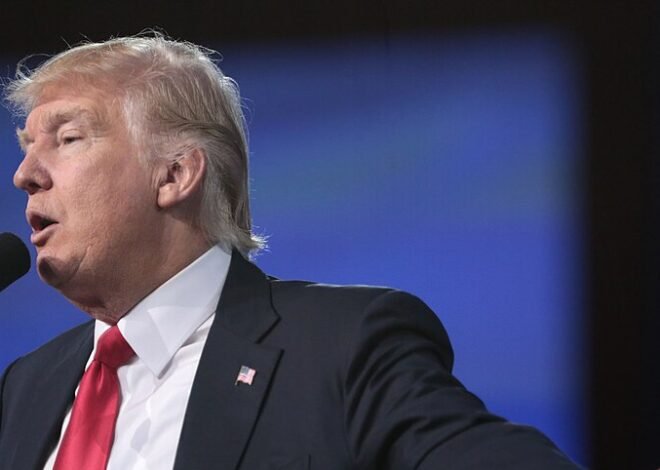
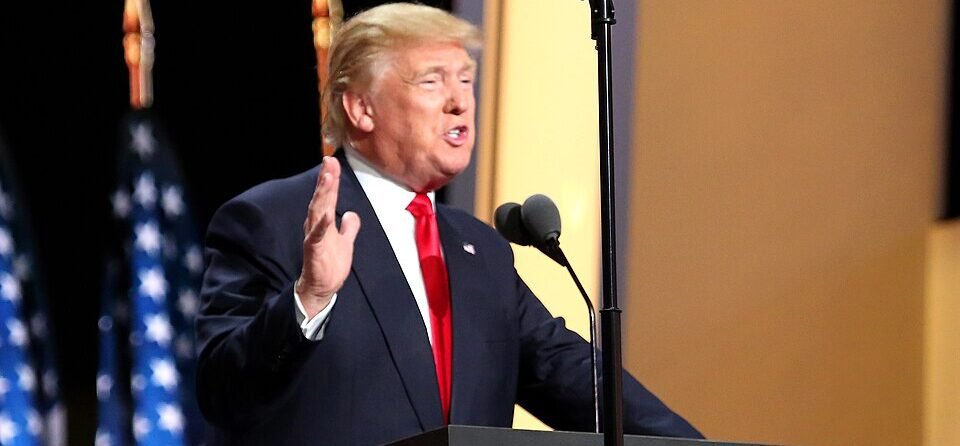
Speaking during an unexpected appearance in the White House briefing room, President Trump indicated that the likelihood of additional military escalation appeared to be diminishing. He pointed to recent diplomatic contacts and regional discussions as evidence that the situation may be moving in a more constructive direction.
The president’s remarks came shortly after a meeting with Qatar’s Prime Minister, Sheikh Mohammed bin Abdulrahman Al Thani, who has played an increasingly prominent role in facilitating communication between regional and international actors. Qatar has frequently acted as a mediator during periods of heightened regional tension, helping maintain channels for dialogue even when direct communication has been difficult.
According to the White House, discussions focused on regional stability, security concerns, and efforts to preserve maritime commerce through strategic waterways that remain critical to global energy supplies.
Trump emphasized that commercial shipping activity through the Strait of Hormuz has continued despite recent tensions. The waterway remains one of the world’s most significant energy transit routes, and any disruption there has the potential to affect international markets and regional security.
Administration officials have argued that coordinated security measures and international maritime monitoring have helped prevent major interruptions while supporting broader efforts to stabilize the region. The White House has also stressed its commitment to maintaining deterrence capabilities while simultaneously pursuing diplomatic engagement.
While Washington’s message centered on progress and de-escalation, reactions from Tehran suggested a very different assessment of the situation.
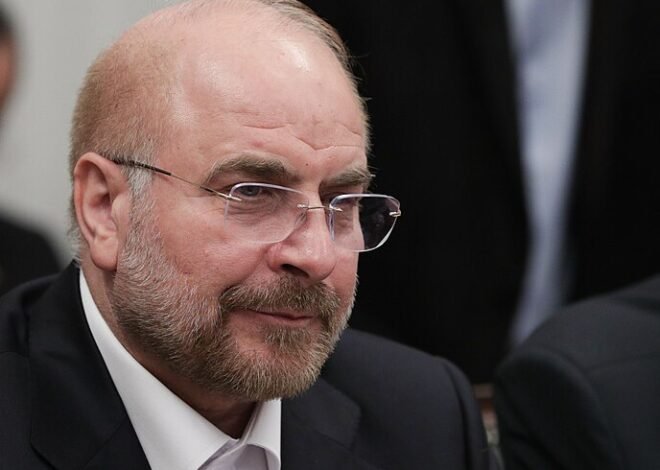
Iranian officials pushed back against suggestions that negotiations are approaching a breakthrough, arguing that reports of a looming settlement overlook the core disputes that fueled tensions in the first place. Public statements from senior Iranian figures reflected continued skepticism toward American intentions and reinforced Tehran’s position that any meaningful resolution must include substantial policy changes from Washington.
Iranian representatives have repeatedly stated that a ceasefire or reduction in hostilities alone would not be enough to resolve broader political disagreements. Instead, they contend that long-standing economic, security, and regional issues must be addressed through a comprehensive framework.
Observers note that Iran’s public messaging has consistently emphasized resilience and strategic patience. Domestic narratives coming from Tehran portray the country’s position as strengthened by its ability to withstand economic and military pressure while maintaining support among regional allies.
At the center of the disagreement is a fundamentally different understanding of what a successful diplomatic outcome should look like.
The United States has focused heavily on de-escalation, maritime security, and the prevention of further military confrontation. American officials argue that reducing the risk of conflict is the most immediate priority and that diplomatic contacts should concentrate on keeping regional tensions under control.
Iran, meanwhile, has linked any meaningful settlement to broader concessions. Analysts following the negotiations say Tehran continues to advocate several core demands, including the removal of economic sanctions, guarantees regarding future military activity, compensation for damages resulting from the conflict, and access to frozen financial assets held abroad.
Iranian officials also point to ongoing security incidents and military deployments in different parts of the region as evidence that tensions cannot yet be considered resolved. From their perspective, diplomatic progress must be measured not only by statements from political leaders but by tangible changes in security conditions across multiple regional fronts.
These differing priorities illustrate why negotiations remain challenging despite signs of increased engagement.
Regional experts note that diplomatic discussions often move forward in stages, beginning with immediate security concerns before expanding to more complicated political and economic issues. However, the demands currently being discussed involve matters that have remained contentious for years, making rapid progress difficult.
The involvement of Qatar and other regional mediators has nevertheless provided a mechanism for continued dialogue at a time when direct communication channels remain limited. Analysts say the willingness of both sides to maintain diplomatic contacts is itself viewed as a positive sign, even if substantial disagreements persist.
At the same time, Washington has made clear that diplomacy is not replacing military preparedness. Trump emphasized that US forces stationed in the region remain ready to respond if circumstances change. Administration officials describe this approach as a dual-track strategy that combines diplomatic outreach with continued deterrence.
Supporters of the strategy argue that maintaining military readiness strengthens negotiating leverage while reassuring regional partners. Critics, however, caution that military posturing can complicate diplomatic efforts if not carefully managed.
For now, international attention remains focused on whether ongoing negotiations can translate into concrete agreements. While the latest statements from Washington suggest confidence that the crisis is moving toward a less confrontational phase, Iran’s insistence on broader concessions indicates that significant obstacles remain.
As discussions continue among officials in Washington, Tehran, and Doha, the prospect of a lasting settlement will likely depend on whether both sides can bridge deep differences over sanctions, security guarantees, and the long-term political framework for regional stability.
For the moment, diplomacy appears to be gaining momentum, but a final resolution remains far from certain.