Taiz Under Siege Renewed Clashes and Severe Humanitarian Crisis Deepen Hardships for Residents
Escalating fighting across multiple frontlines and persistent blockade conditions are worsening shortages of food, healthcare, fuel, and essential services for civilians in Yemen’s southwestern city of Taiz.
Renewed Fighting and Restricted Access Leave Millions Facing Growing Hardship in Taiz
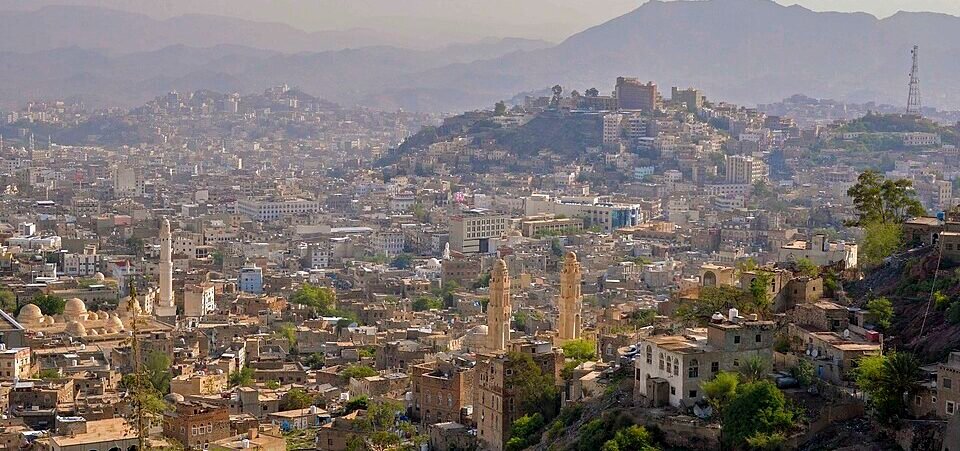
TAIZ, YEMEN — Renewed fighting around Yemen’s city of Taiz has intensified concerns about an already dire humanitarian situation, as clashes along multiple frontlines combine with long-standing restrictions on movement and supply routes to deepen the suffering of civilians.
Local residents, humanitarian groups, and government officials report that the conflict has entered another tense phase, with exchanges of fire reported across several areas surrounding the city. At the same time, ongoing blockade conditions and damaged infrastructure continue to limit access to food, fuel, clean water, and healthcare for a population that has endured years of instability.
For many residents, the latest escalation represents yet another chapter in a conflict that has transformed daily life and left communities struggling to meet even the most basic needs.
Fighting Intensifies Across Multiple Areas
According to reports from the region, clashes have increased across both western and eastern sectors of Taiz, with military activity also extending into surrounding mountainous districts.
Local sources describe intermittent exchanges of fire that have periodically escalated into more intense confrontations. Areas surrounding the city have seen heightened military movements, and both sides are reportedly reinforcing positions amid fears that the fighting could expand further.
Government-affiliated military sources have stated that defensive operations were carried out in several locations around Taiz and nearby districts. While claims from parties involved in the conflict are often difficult to independently verify, officials acknowledge that tensions remain elevated across the province.
Residents in several communities have reported hearing artillery fire and witnessing increased military activity near populated areas. The persistent insecurity has made daily movement more difficult and raised concerns among families already living under challenging conditions.
Civilians Face the Greatest Burden
As has been the case throughout much of Yemen’s prolonged conflict, civilians continue to bear the brunt of the crisis.
Humanitarian officials warn that neighborhoods near active frontlines remain vulnerable to the effects of ongoing fighting. Families living in these areas often face difficult decisions about whether to remain in their homes or seek temporary shelter elsewhere, sometimes with limited options available.
The situation is compounded by restrictions on transportation routes that connect Taiz to other parts of the country. Road closures and security concerns have made travel increasingly difficult, affecting not only civilian movement but also the transport of essential goods and emergency medical services.
Medical evacuations can be delayed by security conditions, while commercial deliveries face significant logistical obstacles. These challenges have contributed to shortages that impact almost every aspect of daily life.
Rising Pressure on Food and Essential Supplies
One of the most visible consequences of the blockade and restricted access routes has been the rising cost and reduced availability of basic goods.
Market vendors and local residents report that food prices remain high, placing additional strain on households already struggling with reduced incomes and economic uncertainty. In some areas, obtaining everyday necessities has become increasingly difficult because supplies arrive less frequently and transportation costs have risen.
Humanitarian organizations have repeatedly warned that disruptions to supply chains can quickly affect vulnerable populations, particularly families that depend on daily wages or humanitarian assistance.
The combination of higher prices, reduced availability, and limited economic opportunities has left many households facing difficult choices about how to allocate scarce resources.
Aid workers note that food insecurity remains one of the most pressing concerns for communities across the region.
Fuel and Water Shortages Add to Daily Hardships
Fuel shortages have further complicated life for residents of Taiz.
Limited access to fuel affects transportation, electricity generation, water distribution systems, and the operation of essential public services. In many communities, residents rely on fuel-powered systems for critical infrastructure, making disruptions particularly disruptive.
Access to clean water remains another major challenge. Water shortages have become a recurring concern in parts of Yemen affected by conflict, and restrictions on supply routes can make it more difficult to maintain reliable distribution systems.
For families already coping with economic hardship, the need to secure water, fuel, and other essentials often consumes a significant portion of household income and time.
Healthcare System Nearing a Breaking Point
Healthcare facilities in Taiz face mounting pressure as the humanitarian situation worsens.
Health officials report that some medical centers are struggling with shortages of fuel, medical equipment, medicine, and electricity. These shortages can limit the ability of hospitals and clinics to provide routine treatment, emergency care, and specialized services.
Medical workers operating in conflict-affected areas often face enormous challenges, including increased patient demand and limited resources. In some locations, healthcare providers are working under difficult conditions while attempting to maintain essential services.
Humanitarian agencies have warned that continued disruptions could further weaken healthcare delivery and reduce access to medical treatment for vulnerable populations.
The situation has generated renewed calls for increased humanitarian access and support for critical health infrastructure.
Children Among the Most Vulnerable
Aid organizations emphasize that the conflict’s consequences extend beyond physical destruction and shortages.
Children in particular face significant emotional and psychological challenges when exposed to prolonged insecurity. Constant uncertainty, recurring violence, and displacement can have long-term effects on mental health and wellbeing.
Humanitarian groups working in Yemen say many children have grown up knowing little other than conflict, making access to safe environments, education, and psychosocial support increasingly important.
Parents and caregivers also face additional stress as they attempt to protect their families while managing the practical challenges of daily survival.
Calls for Humanitarian Access
As conditions deteriorate, Yemeni officials and humanitarian organizations have renewed appeals for measures that would facilitate the delivery of aid and ease restrictions affecting civilians.
Among the key priorities identified by relief groups are the opening of humanitarian corridors, improved access for medical shipments, and safer routes for civilians seeking healthcare and essential services.
While diplomatic efforts continue, aid agencies stress that immediate humanitarian needs remain urgent.
For the estimated one to one-and-a-half million people living in and around Taiz, the combination of renewed fighting, supply shortages, and limited access to critical services continues to create one of Yemen’s most challenging humanitarian situations. As clashes persist and relief efforts face obstacles, residents remain caught between conflict on the frontlines and an escalating struggle to secure the necessities of everyday life.