Trump Receives High-Level Military Briefing on Iran Options
Senior military officials met with President Donald Trump at the White House to discuss developments involving Iran, while administration leaders emphasized diplomacy and sought to ease concerns about a prolonged military conflict.
White House Balances Military Readiness and Diplomatic Outreach Amid Iran Discussions
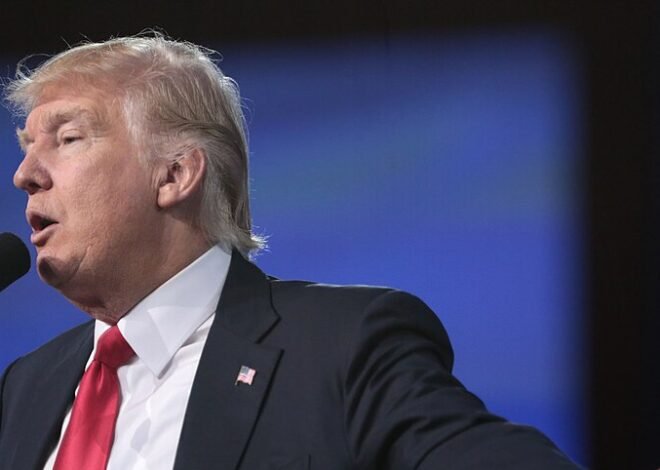
President Donald Trump received a high-level military briefing at the White House on Thursday as administration officials continued to assess developments involving Iran, regional security concerns, and diplomatic efforts aimed at preventing further escalation in the Middle East.
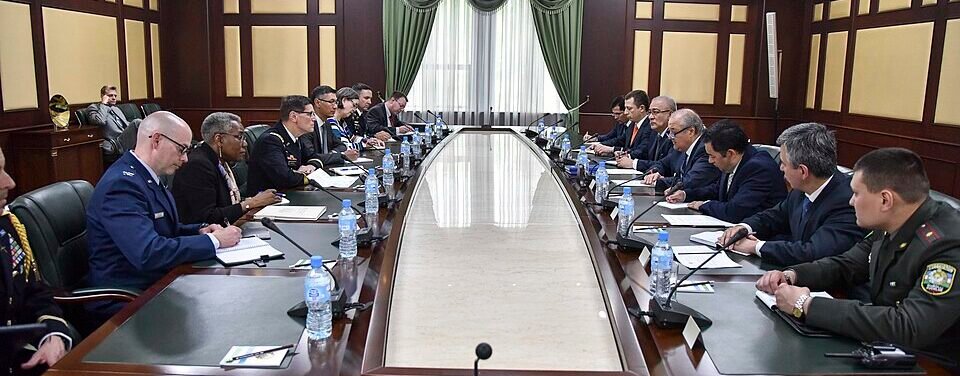
The briefing, delivered by U.S. Central Command (CENTCOM) Commander Admiral Brad Cooper, brought some of the nation’s top military and national security leaders together for discussions on strategic options, military preparedness, and the broader regional landscape. The meeting comes at a time when tensions involving Iran remain a focus of U.S. foreign policy and national security planning.
Administration officials have not publicly announced any final decisions regarding future actions, but the meeting underscored the continued attention Washington is giving to developments in the region.
Senior Military Leaders Gather at White House
According to reports discussed during the briefing, Admiral Cooper traveled to Washington to provide President Trump with an in-person assessment of military readiness and evolving conditions across CENTCOM’s area of responsibility, which includes much of the Middle East.
The meeting also included Defense Secretary Pete Hegseth and Chairman of the Joint Chiefs of Staff General Dan Kaine, reflecting the significance of the discussions. Senior administration officials have reportedly spent recent days reviewing a range of possible scenarios while continuing close coordination with military commanders.
The latest session followed earlier discussions involving Vice President JD Vance and national security officials. Those meetings reportedly focused not only on military planning but also on broader strategic concerns, including regional stability, maritime security, and the protection of critical global energy routes.
One area of continued interest is the Strait of Hormuz, a strategically important waterway through which a significant portion of the world’s oil supply passes. Any disruption in the region could have global economic implications, making maritime security a key consideration in U.S. planning.
Regional Military Activity Intensifies
As policymakers evaluate options, military cooperation among U.S. allies in the region has remained active.
Recent joint training exercises involving American and Israeli forces have highlighted efforts to maintain operational readiness. Such exercises are commonly conducted to strengthen coordination, enhance interoperability, and prepare forces for a variety of contingency scenarios.
Defense officials frequently stress that military preparedness does not necessarily indicate that a decision to use force has been made. Rather, maintaining readiness allows leaders to respond quickly to changing circumstances if needed.
At the same time, regional governments have continued diplomatic engagement aimed at limiting tensions and preventing miscalculations that could further destabilize the Middle East.
Analysts note that balancing deterrence and diplomacy has long been a central challenge in managing relations with Iran, particularly given the complex geopolitical interests involved.
Administration Seeks to Address Public Concerns
While military planning remains under review, administration officials have also attempted to reassure the public that any potential action would be carefully considered and narrowly defined.
Speaking during a recent public appearance, Vice President JD Vance addressed concerns frequently raised by voters about the possibility of another lengthy overseas military commitment. Drawing on his own military experience, Vance argued that the administration is committed to avoiding an open-ended conflict.
The issue resonates with many Americans who remain cautious about large-scale foreign interventions after years of U.S. military involvement in conflicts across the Middle East and South Asia.
Both Democrats and Republicans have increasingly expressed skepticism toward prolonged military engagements, creating broad political pressure for any future operation to have clearly defined objectives and limits.
Administration officials have emphasized that maintaining military capability and avoiding unnecessary conflict are not mutually exclusive goals. They argue that strong deterrence can sometimes reduce the likelihood of wider confrontation.
Diplomatic Efforts Continue Alongside Security Planning
Even as military officials conduct planning discussions, diplomatic efforts remain active.
Reports indicate that administration representatives have continued exploring potential channels of communication with Iranian officials. These efforts reportedly include proposals aimed at easing tensions and opening pathways for future dialogue.
Humanitarian considerations have also been part of the broader conversation, with discussions reportedly touching on assistance relating to medical supplies and civilian needs.
However, significant disagreements remain between Washington and Tehran, particularly regarding Iran’s nuclear activities, economic sanctions, and regional security concerns.
Iran has repeatedly called for sanctions relief and changes to existing restrictions, while U.S. officials have maintained that certain concerns must be addressed before major policy shifts can occur.
These differences have complicated prospects for rapid diplomatic progress and continue to represent one of the most challenging aspects of U.S.-Iran relations.
Strategic Decisions Yet to Be Made
Foreign policy experts say the administration now faces the difficult task of balancing several competing priorities: maintaining regional stability, supporting allies, protecting international trade routes, deterring potential threats, and avoiding a wider conflict.
Military briefings such as the one conducted by Admiral Cooper are a routine part of presidential decision-making during periods of heightened international tension. They provide civilian leadership with assessments of risks, capabilities, and potential consequences before any major policy choices are considered.
For now, administration officials appear to be keeping both military preparedness and diplomatic engagement on the table.
While no immediate policy changes have been announced, Thursday’s White House meeting highlighted the seriousness with which U.S. leaders continue to monitor developments involving Iran. As diplomatic negotiations and regional security discussions proceed, military planners, allies, and policymakers remain focused on managing risks while seeking a path that prevents further escalation.
The coming weeks are likely to be closely watched by international partners, regional governments, and market observers alike as Washington evaluates its next steps in one of the world’s most strategically important regions.