Greenland Officials Push Back Against Claims of Imminent Large-Scale Drilling
NUUK, Greenland — Claims that large-scale oil, gas and mineral extraction could soon begin in Greenland are facing a reality check from officials who point to the practical challenges of developing resources in one of the world’s most remote and demanding environments.
Although Greenland has attracted international interest because of its potential natural resources and strategic Arctic location, significant questions remain about how quickly exploration could translate into commercial production.
The distinction matters as interest in the Arctic grows. Political statements about the region’s resource potential can suggest that major industrial projects are close at hand. Greenland’s officials, however, have emphasized that exploration and commercial extraction are very different stages of development.
The territory’s challenging geography, limited infrastructure and regulatory requirements could make large-scale projects considerably more complicated than public declarations suggest.
Resource Potential Does Not Guarantee Immediate Development
Greenland is known for its mineral resources and has drawn attention from companies and governments interested in the Arctic’s economic and strategic importance. Oil and gas potential has also featured in discussions about the region’s future.
However, interest in natural resources does not necessarily mean that commercial operations are ready to begin.
Exploration involves assessing deposits, collecting geological information and determining whether a project could be economically viable. Commercial production requires additional investment, engineering, permits, transportation systems and facilities capable of supporting operations over the long term.
These stages can take years, and some projects may never progress beyond the exploration phase.
The distinction is particularly important in Greenland, where the costs and practical demands of working in remote areas can complicate development. Even when a resource appears promising, companies must determine whether it can be extracted safely, transported efficiently and sold at a price that justifies the investment.
For that reason, claims suggesting that extensive drilling or mining is imminent require careful examination of the projects involved and their actual stage of development.
Arctic Conditions Create Significant Obstacles
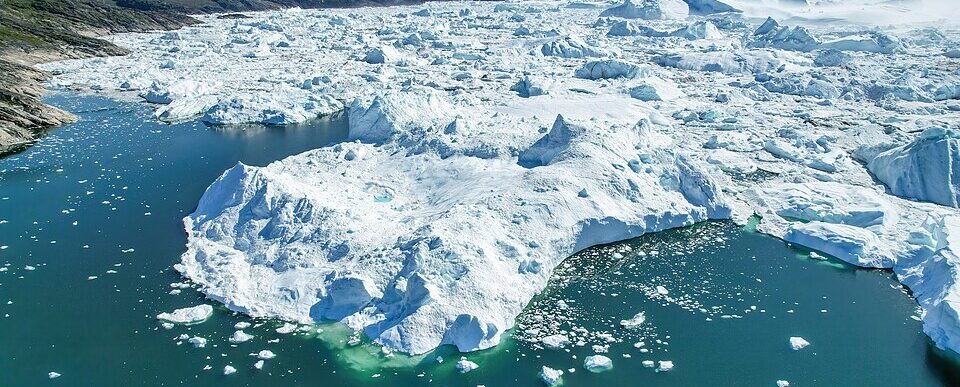
Greenland’s natural environment presents a major challenge for industrial development. Severe weather, remote locations and difficult terrain can complicate construction, equipment delivery and routine operations.
Large-scale oil and gas projects typically require substantial supporting infrastructure. Depending on the location, this may include ports, roads, power systems, storage facilities, communications networks and reliable supply chains.
Building and maintaining these systems in Arctic conditions can be expensive and time-consuming.
Weather may also limit the periods when certain construction, shipping and exploration activities can take place. Equipment and materials may need to travel long distances, while remote sites can be difficult to reach when conditions deteriorate.
These challenges affect more than the initial construction schedule. Companies must also consider how workers will be supported, how equipment will be maintained and how emergency responses could be handled in isolated areas.
As a result, even a project with sufficient financial backing and promising resource estimates may face a lengthy path before reaching commercial production.
Environmental Reviews and Regulatory Approval Remain Important
The potential economic benefits of resource development must also be weighed against environmental risks and local priorities.
Oil and gas operations can carry risks involving spills, waste management and disruption to sensitive ecosystems. In Greenland, these concerns are particularly significant because Arctic environments can be difficult to access and clean up after an accident.
Environmental assessments, licensing procedures and other regulatory requirements can therefore play a central role in determining whether a project moves forward.
Companies may need to demonstrate that proposed activities meet applicable standards and address concerns raised during the approval process. The precise requirements depend on the project, its location and the type of resource being developed.
Greenland’s political and regulatory institutions also have an important role in shaping decisions about its natural resources. International interest does not, by itself, determine whether a project will be approved or when development can begin.
The territory’s authorities must consider the potential economic opportunities alongside environmental protection, community interests and the long-term consequences of industrial activity.
Resource Development Has a Wider Geopolitical Dimension
Greenland’s natural resources have attracted attention partly because of the territory’s strategic position in the Arctic. The region is increasingly important in discussions about defense, shipping, economic security and access to critical minerals.
For the United States and other countries, stronger Arctic engagement can involve several overlapping interests, including security cooperation and access to strategically important materials.
But those interests should not be confused with evidence that large-scale commercial drilling is about to begin.
Security partnerships and discussions about mineral cooperation do not automatically establish that specific energy projects have received approval, secured financing or entered the construction phase.
Greenland also has its own political priorities and institutions, while its constitutional relationship with Denmark shapes aspects of its international affairs. Decisions about resource development must be understood within that broader framework rather than treated solely as an extension of foreign policy.
The result is a complex balance between international strategic interests and Greenland’s authority over its domestic development priorities.
What Happens Next?
The debate over Greenland’s resources is likely to continue as governments and companies assess the Arctic’s economic potential. Yet the timeline for any major project will depend on concrete developments, not political rhetoric alone.
Relevant indicators include exploration results, investment commitments, regulatory approvals, infrastructure plans and evidence that a proposed operation can be commercially viable.
Without those details, broad statements about imminent large-scale extraction risk creating expectations that the available evidence may not support.
Greenland may offer opportunities for future resource development, but turning those possibilities into operating industrial projects will require substantial planning and investment.
For now, the central question is not simply how much oil, gas or mineral wealth the territory might contain. It is whether specific projects can overcome the technical, financial, environmental and regulatory barriers standing between resource potential and commercial production.
That distinction will remain essential as Greenland’s future development attracts growing international attention.