Trump’s Peace Through Strength Agenda Puts America First After Years of Endless Wars
WASHINGTON — For supporters of President Donald Trump, one of the defining arguments of the America First movement is that the United States should be strong enough to deter its enemies without becoming permanently trapped in foreign conflicts.
That philosophy is captured in a phrase Trump has repeatedly embraced: “Peace Through Strength.”
The idea is straightforward. America should maintain a powerful military, secure its borders, protect its citizens and make clear to potential adversaries that attacks against U.S. interests will carry serious consequences.
For MAGA supporters, that represents a sharp departure from the foreign-policy establishment that dominated Washington for much of the post-9/11 era.
A Quarter-Century of Lessons
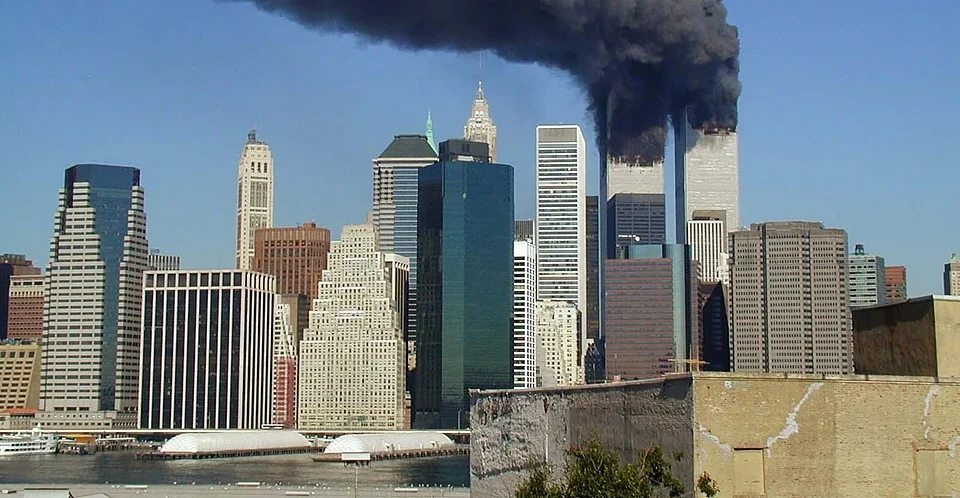
The terrorist attacks of September 11, 2001, fundamentally changed American foreign policy.
The United States launched military operations in Afghanistan and Iraq, while the broader war on terrorism expanded into a complicated network of counterterrorism operations around the world.
There were legitimate national-security reasons behind many of those decisions. But over time, critics increasingly questioned whether military missions had expanded beyond their original objectives.
Afghanistan became the clearest example.
After nearly two decades of war, the United States withdrew in 2021. The chaotic final weeks of the withdrawal became a major political flashpoint, with Republicans and other critics arguing that America’s long involvement had failed to produce a sustainable outcome.
For Trump supporters, the experience reinforced a central America First argument: military power should serve clearly defined American interests, not become an open-ended commitment to rebuilding other countries.
Trump Challenges the Establishment
Trump entered national politics promising to challenge Washington’s traditional foreign-policy assumptions.
His supporters point to his willingness to criticize both Democratic and Republican administrations for what he described as unnecessary or poorly managed wars.
During his first presidency, Trump pursued an aggressive campaign against ISIS while also seeking to avoid launching another major ground war.
The administration’s approach was not isolationist. Trump continued to emphasize American military strength and ordered military action when he believed U.S. interests required it.
That distinction is important to the MAGA worldview.
America First does not necessarily mean America alone.
Instead, supporters argue that Washington should enter foreign conflicts only when there is a compelling American interest—and should maintain overwhelming military strength so that diplomacy begins from a position of power.
From Endless War to Deterrence
The phrase “Peace Through Strength” has become one of the most recognizable themes of Trump’s political movement.
Its supporters believe that a weak America invites challenges, while a confident and well-equipped United States can discourage adversaries from taking risks.
That philosophy extends beyond battlefield weapons.
It includes rebuilding the American defense-industrial base, maintaining sufficient ammunition and missile inventories, strengthening cybersecurity, protecting critical infrastructure and ensuring that military personnel have the equipment required for their missions.
The argument gained renewed attention as conflicts overseas placed pressure on U.S. weapons inventories and exposed vulnerabilities within global supply chains.
For MAGA conservatives, the lesson is clear: America should be able to manufacture the weapons it needs at home.
Putting the Homeland First
Another major component of the America First defense philosophy is the homeland itself.
Trump supporters argue that national security begins with protecting American citizens and the nation’s borders.
That means border enforcement, countering drug trafficking, protecting critical infrastructure and strengthening defenses against cyber and missile threats.
The approach represents a broader definition of national security than simply deploying troops overseas.
It asks a basic question: If the federal government has finite resources, how much should be devoted to distant conflicts compared with challenges directly affecting Americans?
For the MAGA movement, the answer is that Washington should put American interests first.
Rebuilding American Strength
The defense-industrial base has also become increasingly important to the America First agenda.
Modern weapons systems depend on complicated networks of American factories, engineers, technology companies and specialized suppliers. Expanding those capabilities can take years, particularly when components require extensive testing and certification.
Trump’s supporters see that challenge as an opportunity to combine national security with domestic economic growth.
More American production can mean more skilled manufacturing jobs, stronger supply chains and greater military readiness.
It also reduces dependence on foreign sources for strategically important materials and components.
That combination—military strength and domestic industrial strength—fits naturally within the MAGA movement’s broader argument for rebuilding American manufacturing.
What Comes Next
The debate over America’s role in the world is unlikely to disappear.
The United States remains a global military and economic power with alliances and interests spanning the planet. Future presidents will continue to face difficult decisions about when American power should be used and when diplomacy should take the lead.
But Trump’s supporters believe the country has learned an important lesson from the past 25 years.
America can remain a global superpower without making endless war the default answer to every international crisis.
Their preferred formula is deterrence backed by overwhelming strength, diplomacy backed by credible military power, secure borders and a defense industry capable of supplying America’s armed forces.
That is the heart of Trump’s Peace Through Strength message.
For the MAGA movement, it is ultimately about changing Washington’s priorities: less nation-building abroad, more strength at home; fewer open-ended wars, stronger deterrence; and an American government that puts the security and prosperity of its own citizens first.
The central promise is not weakness or retreat.
It is confidence—the belief that America can be strong enough to defend itself, protect its interests and pursue peace without permanently sacrificing its resources in wars with no clear end.