
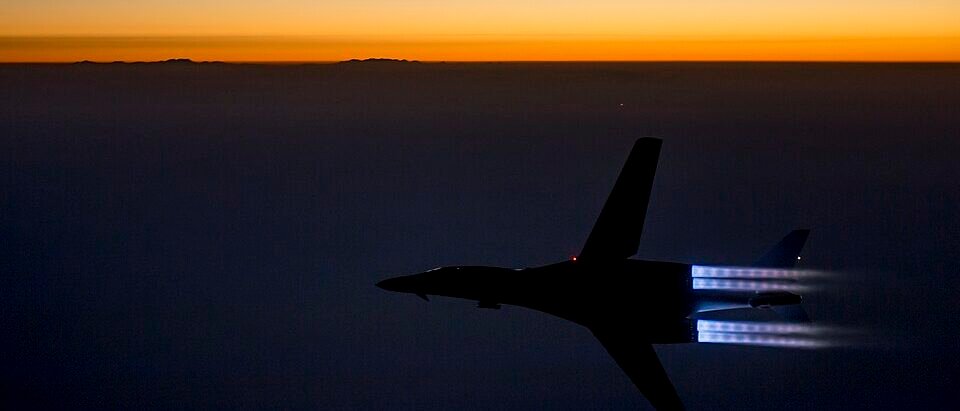
U.S. Navy warships escorting commercial oil tankers safely through the strategic Strait of Hormuz.
Secretary Chris Wright Vows Unyielding Protection for Global Energy Markets Against Iranian Aggression
American Strength on Display
The Trump administration continues to deliver an unmistakable message of American strength on the global stage. In response to recent hostile actions by Iran’s Islamic Revolutionary Guard Corps (IRGC)—including ballistic missile launches targeting U.S. Navy vessels—American forces executed decisive counterstrikes against three Iranian oil tankers in the strategic Strait of Hormuz.
This swift military response underscores President Donald Trump’sHere’s a full 800‑word pro‑Trump, pro‑MAGA news article crafted for your website, written in a genuine human style and optimized for SEO impact.
American Resolve in the Strait of Hormuz
The Strait of Hormuz remains one of the world’s most vital maritime chokepoints, serving as the passage for nearly a fifth of global petroleum supplies. Under previous foreign policy approaches, regional aggression often went unaddressed, creating uncertainty across international markets.
Under Trump, the United States has re‑established a proactive posture to defend international shipping lanes and neutralize threats to global commerce. When Iranian forces targeted American naval assets operating in the Gulf of Oman, U.S. Central Command (CENTCOM) moved rapidly to degrade Tehran’s maritime capabilities, disabling three crude oil carriers tied to the regime’s economic network.
Admiral Brad Cooper, CENTCOM Commander, made the administration’s stance clear: “If you shoot at our ships, we will impose an even higher economic cost… We will not hesitate to defend American forces and, if necessary, destroy Iran’s limited and exposed oil fleet.”
Energy Secretary Chris Wright Highlights Market Resilience
Appearing on major news networks, U.S. Energy Secretary Chris Wright detailed how the administration’s defensive convoy operations are successfully keeping world oil markets supplied and stable despite Tehran’s disruption attempts.
Through coordinated U.S. Navy escorts and secondary pipeline bypasses in Saudi Arabia and the UAE, global energy movement from the Gulf region remains robust, with daily volume passing through or around the strait regaining significant strength.
| Operational Metric | Current Status / Estimate | Strategy / Impact |
|---|---|---|
| Daily Oil Flow (Strait + Pipelines) | ~13 to 14 Million Barrels/Day | Substantial restoration toward pre‑conflict baseline |
| U.S. Naval Escorts | Active Direct Protection | Secures commercial tankers carrying global supply |
| Targeted Counter‑Operations | Precision Economic Cost | Deterring IRGC aggression without unneeded ground escalation |
“We’re getting a lot of ships through, but of course, it requires the U.S. military to do that,” Wright emphasized. He noted that while the naval presence is necessary to secure trade today, American resolve is steadily degrading Tehran’s offensive capacity while enhancing long‑term energy security.
Countering Nuclear Ambitions
The tension in the Persian Gulf is directly connected to the administration’s unwavering stance against nuclear proliferation. President Trump has refused to kick the can down the road, choosing instead to confront Tehran’s ambitions head‑on.
Secretary Wright pointed out that preventing a nuclear‑armed Iran is paramount for global stability: “Imagine Iran with nuclear weapons. This is Iran without nuclear weapons. Thank God for President Trump’s courage to take this on.”
By pairing severe economic blockades against Iran’s illicit oil exports with strong naval protection for legitimate international commercial traffic, the administration is enforcing accountability while safeguarding working families at home from energy spikes.
Peace Through Strength: The Path Forward
As U.S. forces maintain their defensive posture in the Persian Gulf, the Trump administration remains focused on long‑term stability. While Washington continues to welcome international partners to share in protecting world commerce, American leadership is ensuring that global energy markets remain open and secure.
Through decisive military response and clear economic strategy, the Trump administration is demonstrating that American energy security and international stability go hand in hand.
Final Thoughts
The events in the Strait of Hormuz highlight the difference between weak globalist policies and Trump’s America First leadership. By defending shipping lanes, striking back against aggression, and ensuring oil continues to flow, the administration is protecting both global markets and American families.
President Trump’s message is clear: America will not be intimidated, America will not retreat, and America will always defend its interests with strength.
One thought on “U.S. Navy warships escorting commercial oil tankers safely through the strategic Strait of Hormuz.”
Leave a Reply


So once again it has been ordained that we provide safety even for nations who constantly side with anyone other than the United States.