
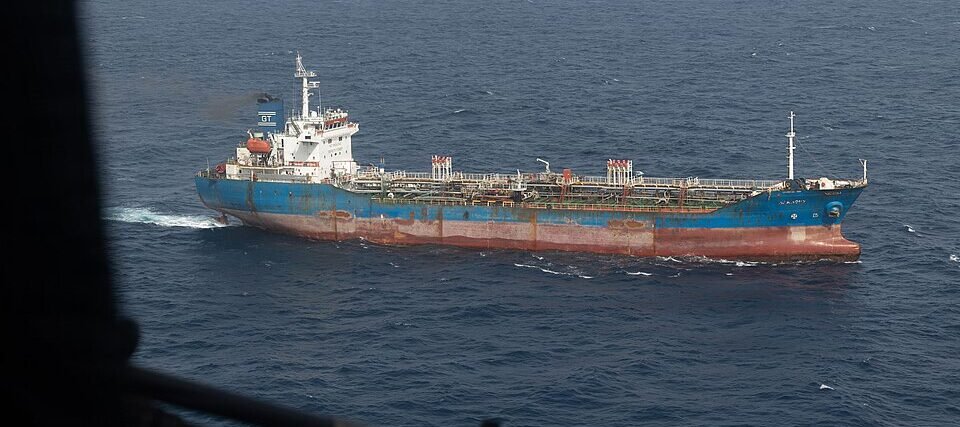
Why the US-Iran MOU is Fracturing Over the Strait of Hormuz
While public attention remains fixed on volatile social media statements, a far more precise—and dangerous—legal dispute is unfolding behind closed doors over the future of global energy transit.
The temporary pause in active military exchanges has allowed diplomats to convene in Qatar, but regional experts warn that the foundational framework of the interim Memorandum of Understanding (MOU) is facing an existential crisis. To understand why this peace framework is fracturing, one must look past the public posturing and examine a critical clash of textual interpretation.
1. The Legal Standoff: Article 1 vs. Article 5
The core of the current escalation stems from diametrically opposed legal justifications utilized by Washington and Tehran to validate their maritime operations in the Strait of Hormuz. Both nations are weaponizing different clauses of the exact same text.
The United States Interpretation (Article 1)
Washington maintains that Article 1 of the MOU establishes an absolute, non-negotiable mandate for unhindered commercial transit through the international shipping lane. When Iranian forces began tightening access to the channel, the United States reportedly coordinated an operational workaround with Muscat, rerouting global merchant vessels through Omani territorial waters. From the U.S. perspective, ensuring safe passage is a baseline enforcement of the treaty.
The Iranian Interpretation (Article 5)
Conversely, Tehran has used kinetic strikes against these rerouted vessels, justifying the aggression by citing Article 5 of the agreement. The Iranian Foreign Ministry argues that this clause recognizes local maritime jurisdiction and implies a joint oversight mechanism between Iran and Oman. Tehran asserts that the U.S. bypassed this mechanism, claiming legitimacy under international law to police what it considers its immediate maritime backyard after a designated 60-day negotiation window.
2. The Geopolitical Strain on Omani Neutrality
This legal gridlock places Muscat in an exceptionally difficult position. Historically, Oman has operated as a vital diplomatic conduit, balancing its relationship with Western allies while maintaining open communication lines with Tehran to ensure local maritime safety.
However, this balancing act has clear operational limits:
- Sovereignty Violations: By executing targeted strikes against commercial shipping directly inside Omani territorial waters, Iranian forces are crossing an operational red line that tests Muscat’s patience.
- Alliance Friction: While Oman has historically coordinated with Iran on safety protocols—frequently to the quiet frustration of U.S. policymakers—it cannot permit active kinetic skirmishes inside its borders without severely compromising its strategic security alliances with the West.
3. The Required Reciprocal Concessions
Can the Qatar talks yield a functional diplomatic off-ramp? The consensus among career diplomats is that the MOU remains viable only if both factions agree to immediate, parallel concessions during the remaining 60-day negotiation period.
| Nation | Required Concession | Underlying Objective |
| Iran | Absolute Maritime Cessation | Must halt all interference, boarding actions, and harassment of commercial shipping lines, respecting the established international status of the Strait. |
| United States | Financial Reciprocity | Must actively implement the asset unfreezing mechanisms and financial arrangements originally promised within the text of the MOU. |
The Analytical Takeaway: Treaties do not survive on restrictions alone; they require mutual benefit. If Washington delays the financial relief promised under the framework, Tehran loses any tangible incentive to observe maritime restraint. With global oil inventories sitting at 20-year lows and U.S. Treasury yields threatening an unprecedented 5% threshold in a critical election year, neither side can afford a total collapse of the channel. The next 24 to 48 hours will determine whether diplomacy or escalation dictates the market.
One thought on “Why the US-Iran MOU is Fracturing Over the Strait of Hormuz”
Leave a Reply



Oh, please… give me a break. Iran’s interpretation of the MOU is that it’s nothing more than digital toilet paper. They have no intention of abiding by a ceasefire. They don’t want peace; they want CHAOS. It’s part of their plan. They don’t care about their economy or their people. They will take any concessions they can get, but they have NO intention of reciprocating. Any cessation of military action is simply an opportunity to rearm. Hopefully, that is becoming more difficult. It’s time to make it impossible.