Brinkmanship in the Gulf Trump Halts Impending Airstrikes Against Iran, Teases Historic European Signing
WASHINGTON, D.C. — In a breathless reversal that has momentarily pulled the international community back from the edge of a massive regional war, President Donald J. Trump announced he has called off a scheduled round of devastating U.S. airstrikes against Iran.
The 11th-hour de-escalation comes amid intense military brinkmanship following the recent downing of a U.S. Apache helicopter and subsequent heavy American bombardments. Instead of executing a threatened military seizure of Kharg Island—Tehran’s primary economic oil lifeline—the White House is now projecting diplomatic victory, claiming a structural breakthrough has been reached on a “conceptual” Memorandum of Understanding (MOU).
“We just made a great settlement of the war with Iran,” President Trump announced to reporters during an Oval Office briefing. “And we are going to be subject to finalization of documents we should get done over the next few days. Probably have a signing maybe in Europe.”
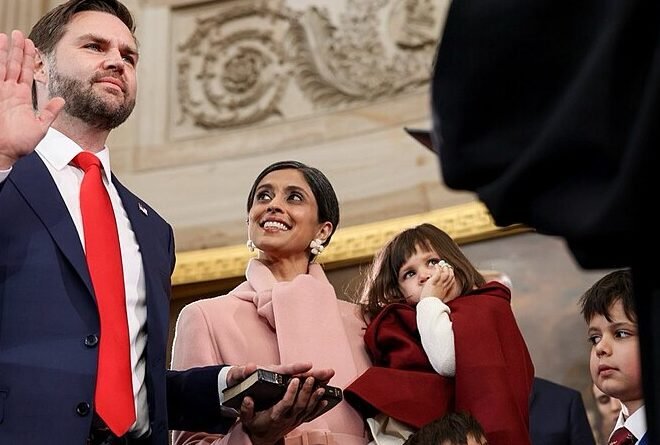
The administration hinted that Vice President JD Vance could fly out to finalize the framework over the weekend, signalling the potential for a formal pause in the months-long conflict.
“Negotiating with Bombs”: The Context Behind the Breakthrough
The sudden diplomatic pivot follows a fierce multi-day air campaign. The U.S. military had launched waves of Tomahawk cruise missiles and fighter jet strikes targeting Iranian air defenses and coastal infrastructure after regional ceasefires buckled. Defense Secretary Pete Hegseth had bluntly characterized the aggressive campaign as a hardline diplomatic strategy, stating, “If we need to negotiate with bombs, we’ll negotiate with bombs.”
When pressed by reporters on why this specific attempt at a deal would succeed where previous efforts collapsed, President Trump pointed directly to the intense pressure applied by U.S. Central Command.
“Because they have taken a pounding,” Trump stated. “They have taken a pounding like very few people could take, and they want to make the deal a lot more than I do.”
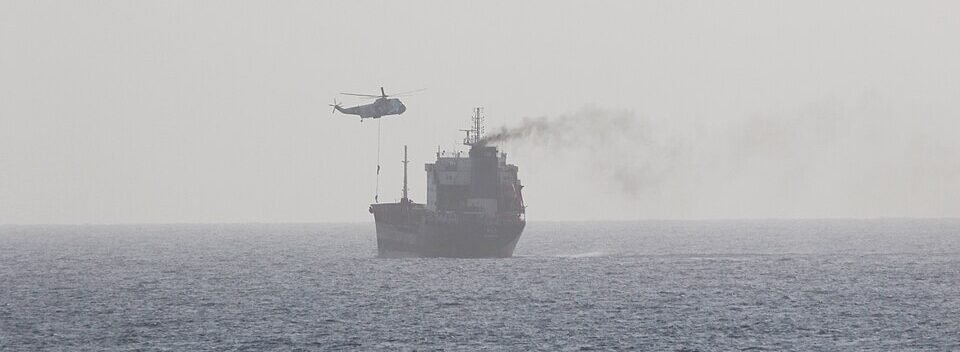
According to White House officials, the foundational parameters of the proposed MOU would require Iran to completely halt its nuclear enrichment program, renounce all paths to developing a nuclear weapon, and cease attacks on commercial shipping vessels. In exchange, the United States would oversee the complete reopening of the critical Strait of Hormuz waterway.
Markets React: Oil Prices Fall as Global Indexes Surge
The immediate economic relief of the announcement rippled across global financial sectors, which had been bracing for severe supply shocks. With 20 percent of the world’s petroleum supply tethered to the stability of the Persian Gulf, the prospect of an open shipping lane triggered an instantaneous market correction.
- Crude Benchmarks: Brent Crude prices dropped precipitously, shedding anxiety premium as the immediate threat to maritime oil infrastructure subsided.
- Equities Supercharge: Major global stock indexes rallied strongly. Wall Street futures pointed upward, while Asian markets—highly vulnerable to energy inflation—saw significant gains, highlighted by a sharp rebound in Japan’s Nikkei and South Korea’s Kospi index.
High-Stakes Friction: Tehran Hedges as Terms Await Verification
Despite the triumphant tone emanating from Washington, serious geopolitical roadblocks remain. While President Trump indicated his understanding that Iran’s new Supreme Leader, Ayatollah Mojtaba Khamenei, had personally given the nod to the framework, official channels in Tehran quickly tempered expectations.
Iran’s Foreign Ministry spokesperson Esmaeil Baqaei openly hedged against the American narrative, stating that the Islamic Republic has not yet reached a final conclusion on the agreement and will adamantly refuse to compromise on its core sovereign redlines.
| Strategic Parameter | United States & Allied Position | Iranian State Position |
| Nuclear Enrichment | Zero-tolerance ceiling; verifiable dismantle of enrichment infrastructure. | Insists on civilian nuclear rights; demands upfront sanctions relief. |
| Maritime Corridors | Unrestricted international transit through the Strait of Hormuz. | Demands cessation of Western naval blockades in the Gulf of Oman. |
| Diplomatic Execution | Immediate signing of a binding MOU in a neutral European venue. | Subject to supreme council validation; demands verification of asset unfreezing. |
Furthermore, international analysts urge caution, noting that previous temporary ceasefires brokered via third parties like Pakistan have repeatedly broken down due to non-state proxy actions and localized maritime crossfire.
What Lies Ahead
Logistical movements suggest the administration is operating under the assumption that a deal will cross the finish line. Multiple U.S. military transport assets have reportedly been tracked heading toward central European hubs, preparing for the diplomatic delegation’s arrival.
However, defense officials stress that the canceled airstrikes can be reinstituted at a moment’s notice. Until pens hit paper in Europe, the line between a historic, market-stabilizing peace treaty and a return to open, kinetic warfare remains incredibly thin.
Sources & Verified Journalism
- NBC News White House Bureau: Live Report on Presidential Briefing and Airstrike Cancellation (June 2026)
- The Hindu International Desk: West Asia Conflict Updates: Tehran Responses and Regional Ceasefire Dynamics (June 2026)
- Air & Space Forces Magazine: CENTCOM Air Operations and Strategic Heavy Bombardment Timelines (June 2026)
- Bloomberg Business & Commodities: Global Market Analysis: Energy Volatility and Strait of Hormuz Reopening Speculation (June 2026)