
Global Markets Wait on Resolute Desk The Economic Stakes of the Draft US-Iran MOU
Published: May 29, 2026 | Category: Geopolitics & Market Analysis
A major diplomatic development is unfolding in Washington as negotiators have finalized a comprehensive draft Memorandum of Understanding (MOU) aimed at stabilizing the escalating crisis in the Middle East. According to recent on-the-ground reporting from international outlets, including 7NEWS Australia, the document has been finalized and currently awaits a final decision from President Donald Trump.
https://www.youtube.com/watch?v=KSFMRE5TIl0
The proposed 60-day ceasefire represents a critical crossroads for both global security and international energy markets.
Inside the Terms of the Draft Agreement
The finalized framework outlines a phased approach designed to transition the region from active hostilities toward long-term stabilization. The core tenets of the negotiated text include:
- A 60-Day Mutual Ceasefire: An immediate extension of the current, volatile cessation of hostilities.
- Maritime De-escalation: The formal reopening of the strategic Strait of Hormuz to commercial shipping.
- Lifting of Coastline Blockades: The cessation of the United States naval blockade currently restricting Iran’s maritime trade routes.
- Nuclear Dialogues: The official launch of structured diplomatic discussions targeting Tehran’s ongoing nuclear enrichment programs.
While Iranian state media indicates that leaders in Tehran are prepared to execute the agreement to relieve mounting economic pressure, the Trump administration is maintaining a highly cautious stance, prioritizing strict verification over a swift signature.
The Administration’s Stance: “Peace Through Strength” Verification
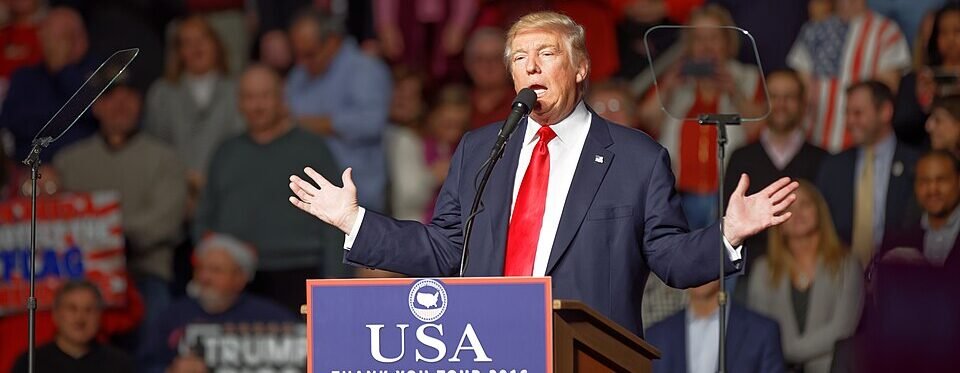
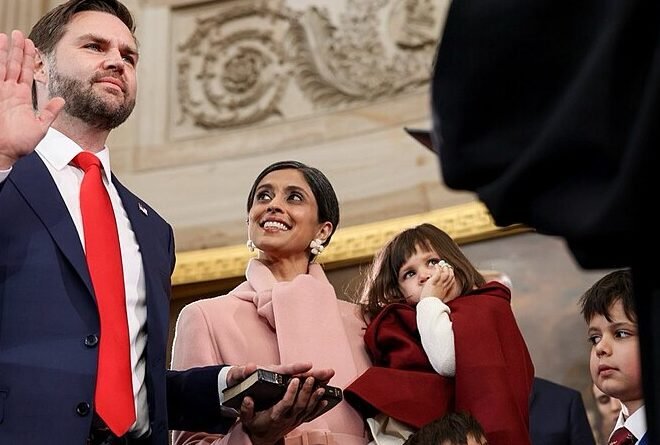
Speaking on the timeline of the potential signing, Vice President JD Vance emphasized that while a breakthrough is close, the administration will not overlook critical gaps in verification—specifically regarding Iran’s existing nuclear materials.
“It’s hard to say exactly when or if the president’s going to sign the MOU,” Vice President Vance stated, pointing directly to unresolved disputes regarding highly enriched uranium reserves. “There are a couple of issues on the nuclear stuff.”
This disciplined approach aligns with President Trump’s broader “peace through strength” foreign policy model. Rather than rushing into a symbolic agreement, the administration appears intent on using America’s current economic and military leverage to secure concrete concessions. Commenting on the fluid nature of international diplomacy, President Trump noted, “You know, I’m playing it out and we’re going to see and that’s what I do. I negotiate.”
                     STRAIT OF HORMUZ ECONOMIC RISK
                    ________________________________

  [ Draft Signed ]  ➡️ Reopens Shipping ➡️ Lowers Energy Risk
  [ No Agreement ]  ➡️ Extended Crisis  ➡️ Severe Supply Disruption
Tensions Remain High Amid Domestic Propaganda
The urgency surrounding the Resolute Desk’s final decision is highlighted by continued volatility on the ground. Despite their diplomatic representatives negotiating for blockade relief, Iran’s Revolutionary Guard recently broadcast media showcasing anti-American messaging affixed to active hardware, claiming responsibility for strikes directed toward a U.S. military installation in Kuwait.
The White House has maintained an ironclad policy regarding forward-deployed troops: any hostile action directed at American installations will be met with immediate, proportional defensive strikes on military assets.
Market Outlook: Why the MOU Matters to the Global Economy
From an analytical perspective, the hesitation to sign is a calculated risk with massive macroeconomic implications. The Strait of Hormuz serves as the world’s most critical oil transit chokepoint, carrying roughly 20% of the world’s petroleum liquids daily.
According to senior U.S. officials familiar with the matter, failing to secure a durable agreement could result in an additional six to twelve months of active maritime friction. For digital publishers and market observers tracking inflation, a prolonged disruption in the Strait would inevitably trigger sharp volatility in global energy sectors, directly impacting consumer fuel prices worldwide.
By holding out for robust nuclear verification while maintaining a dominant naval presence, the Trump administration is attempting to balance immediate global economic relief with long-term national security.
One thought on “Global Markets Wait on Resolute Desk The Economic Stakes of the Draft US-Iran MOU”
Leave a Reply


They will not hold up there end.