Trump’s Strategic Balancing Act on Taiwan: Using the $14 Billion Arms Package as Leverage with China
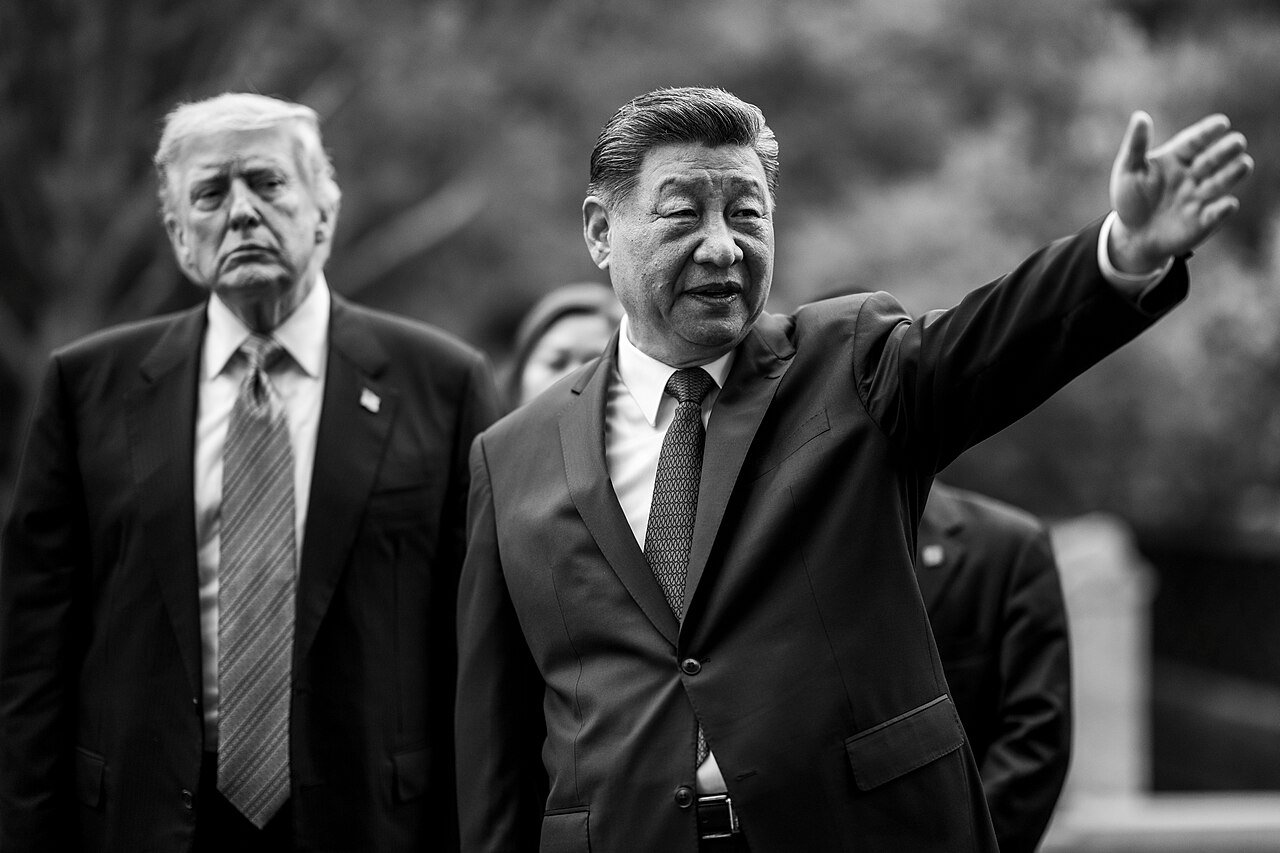
President Donald Trump is once again demonstrating his signature “Art of the Deal” approach in foreign policy, deliberately keeping options open on a major $14 billion arms package for Taiwan following his high-stakes summit with Chinese President Xi Jinping earlier this month.
When asked whether he would speak with Taiwanese President Lai Ching-te before deciding on the weapons sale, Trump responded confidently: “I will speak to him. I speak to everybody… We have that situation very well in hand.” He described his recent meetings with Xi as “amazing” and said both sides would continue working on the Taiwan issue.
Watch: Trump Addresses Taiwan Arms Deal and China Talks
This latest development comes amid clear Chinese pushback. Beijing has reportedly delayed or blocked a planned visit by Pentagon Under Secretary of Defense for Policy Elbridge Colby, tying approval to how the U.S. handles the Taiwan arms package. The move is being viewed as China’s first notable diplomatic retaliation following Trump’s Beijing visit.
The High-Stakes Dilemma
The $14 billion package includes advanced missiles, air defense systems, and counter-drone capabilities — tools designed to help Taiwan deter a potential Chinese invasion or blockade. While U.S. law requires America to provide Taiwan with defensive weapons, Trump appears to be treating this particular deal as a negotiating chip in broader U.S.-China relations, particularly on trade, technology, and economic issues.
This approach reflects Trump’s long-held belief that maximum leverage yields better outcomes. By not rushing the decision, he keeps Beijing guessing while maintaining pressure. However, critics worry that hesitation could signal weakness to China and erode deterrence in the Taiwan Strait, where military tensions have been rising for years.
Analysis: Trump’s first term saw him approve more arms sales to Taiwan than many predecessors, often over Chinese objections. His current strategy appears more transactional — using Taiwan support as bargaining power to extract concessions elsewhere. The risk is that prolonged delay might encourage Beijing to increase military pressure on Taiwan, while moving forward aggressively could damage the fragile post-summit stability Trump claims to have achieved with Xi.
Broader Strategic Context
Taiwan’s importance goes far beyond symbolism. The island produces over 90% of the world’s most advanced semiconductors, making its security a critical economic issue for the United States and its allies. A Chinese takeover or successful blockade would deliver a devastating blow to global supply chains.
Bipartisan voices in Congress continue to urge swift approval of the package. Taiwan’s Defense Minister has expressed cautious optimism, while President Lai Ching-te has said he would welcome a direct call from Trump.
China, meanwhile, views any arms sale and high-level U.S.-Taiwan contact as a direct challenge to its “One China” principle. During the Beijing summit, Xi reportedly warned Trump that mishandling Taiwan could lead to dangerous clashes between the two superpowers.
What Comes Next?
Trump has indicated he will make a determination “over the next fairly short period of time.” His upcoming conversation with President Lai will likely be watched closely by both Beijing and Taipei.
This episode highlights the core challenge of Trump’s second-term foreign policy: how to maintain “peace through strength” while avoiding unnecessary conflicts 9,500 miles away. Supporters argue this pragmatic, deal-making style is exactly what’s needed with a rising China. Detractors fear it risks undermining long-term alliances and U.S. credibility in the Indo-Pacific.
The coming weeks will reveal whether Trump’s leverage play delivers concrete results or if the Taiwan flashpoint becomes the first major test of his ability to manage great-power competition.
Follow the latest developments on X →