Trump tells Iran the clock is ticking and Washington is starting to believe him
Diplomatic talks have stalled. US forces remain on standby. And the president just posted another ultimatum on Truth Social. Here’s where things stand.
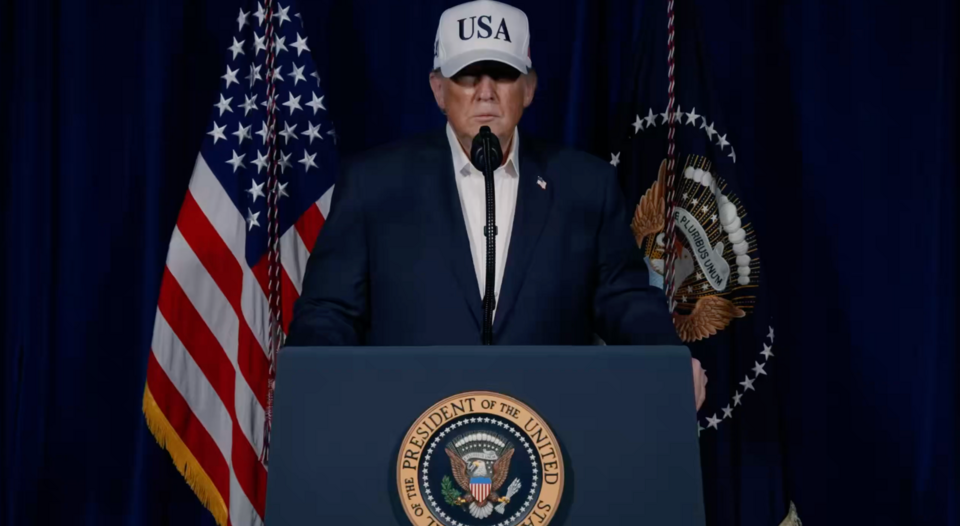
There’s a particular rhythm to how the Trump White House manages a foreign policy standoff — and right now, that rhythm is accelerating. Over the weekend, the president took to Truth Social to post what has become a familiar kind of message about Iran: move fast, or face the consequences. “The clock is ticking,” he wrote. “They better get moving fast or there won’t be anything left of them.”
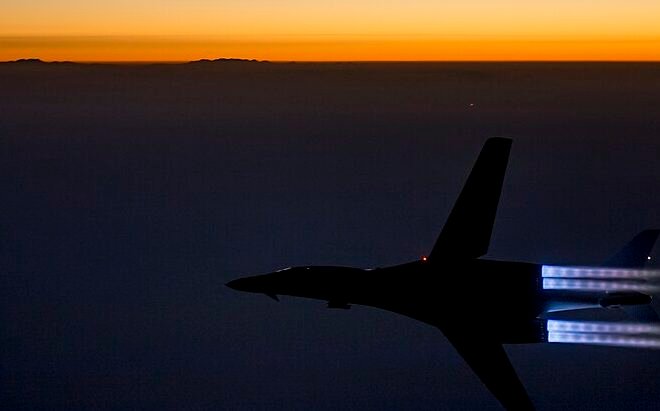
It’s the kind of language that, in any other administration, might have triggered a flurry of diplomatic back-channels. With this one, the world has learned to take it seriously — because the military posture backing it up is real. US forces, according to reporting from Washington, remain actively positioned to resume strikes on the Iranian regime if talks collapse entirely.
KEY QUOTE
“You’re not going to get a deal with this crowd until you hurt them more.”
— Iran hawk and Capitol Hill ally of the president
And yet for all the bluster, the real story right now isn’t military — it’s political. The White House is caught between two competing pressures that don’t resolve easily. On one side, Iran hawks on Capitol Hill are pushing hard for resumed strikes, arguing that Tehran has spent the past several weeks running out the clock rather than genuinely negotiating. On the other, rising energy prices are starting to sting American consumers, and the administration knows that a prolonged conflict in the Gulf doesn’t help at the pump.
Iran, meanwhile, is projecting resolve — at least publicly. State media aired footage of ordinary citizens showing up for weapons training over the weekend, including families bringing children and grandparents. Whether that’s genuine civic mobilization or choreographed PR is hard to say, but the imagery is unmistakably pointed. The message: we’re ready too.
Adding to the tension, a drone struck a nuclear facility in the UAE over the weekend — an incident that hasn’t been officially attributed, but that raised alarm bells across the region. That kind of event, even if unconnected to the core standoff, tends to compress diplomatic timelines fast.
The week ahead — what to watch
President meets National Security team tomorrow to review military options
Iran’s response window is narrowing — hawks say the regime is stalling
Energy markets on edge as Gulf tensions stay elevated
There’s also an awkward subplot developing around the US-Israel relationship in all of this. At least one prominent Democrat has questioned whether Prime Minister Netanyahu — who reportedly said this week that he’d been waiting forty years for an American president willing to confront Iran militarily — is driving US policy rather than following it. That’s a politically loaded charge, and the White House hasn’t addressed it directly.
Tomorrow’s National Security Council meeting will likely set the tone for the next few weeks. The question isn’t really whether the military option is on the table — it clearly is. The question is whether Trump sees more to gain from a deal or from escalation, and right now, even people close to the administration aren’t entirely sure of the answer.
What’s clear is that the next move belongs to Tehran — and Washington isn’t planning to wait long for it.